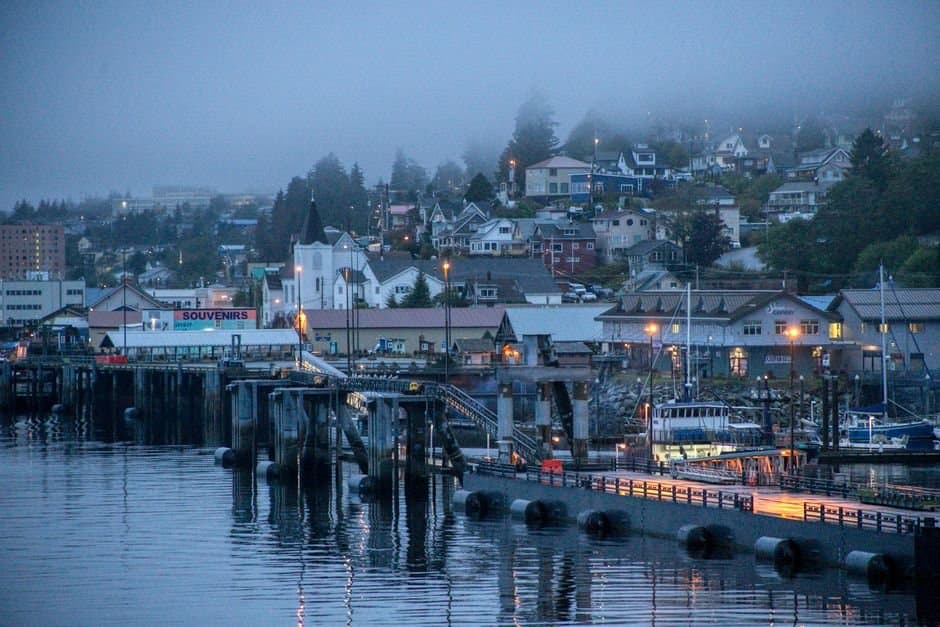
Photo by Victor Martinez on Pexels · Source
UAS asks FCC for authority to give marine radio license exams
The University of Alaska Southeast wants to give its own deck officer students a way to earn the federal radio license their coursework already prepares them for, a step that would close a testing gap in the region. The commission requires an appropriate commercial radio operator license to operate certain ship, aircraft and ground stations, to repair or maintain maritime radio stations, and to conduct compulsory ship inspections; without a local testing option, students who learn proper radio procedure in class have had no way to sit for that exam.
In an Aug. 28 application from the Maritime Training Center in Ketchikan, UAS asked the Federal Communications Commission to approve it as a Commercial Operator License Examination Manager, known as a COLEM: a nonfederal entity the FCC authorizes to issue, proctor and grade commercial operator exams. UAS intends to offer Marine Radio Operator Permit and Global Maritime Distress and Safety System testing, both part of the deck officer curriculum. Staff and faculty at its marine training facilities have proctored exams for more than 30 years, and the testing would be open to the general public, not just students.
"As part of the classes most students are taught proper radio use but with no way to test they do not have an opportunity to acquire a license and therefore will be forced to work on vessels with voluntary installed radio stations," wrote Kirk Scott, assistant professor of marine transportation at UAS in Ketchikan.
UAS teaches deck officer classes in Juneau and Ketchikan several times a year and runs outreach in smaller island communities across Southeast Alaska, which it says would benefit students and rural Alaska more broadly. Exams would carry no added fee for students, since radio use is already in the coursework, and non-student sessions would stay below $50. The university says it already runs paper and electronic testing at multiple locations and could begin immediately upon FCC approval and receipt of testing materials.
Applicants now must test with one of the FCC's authorized COLEMs, such as the National Marine Electronics Association, then file Form 605 with proof of passing; the commission treats that national network as sufficient access. The application remains pending.
AI-assisted, reviewed by editors.
Stay informed. Support what matters.
Free, permanent access to local news you can verify. Subscribe to support Melinda Communities.News and go ad-free.
Related Coverage
UAA trains rural school workers to become teachers without leaving home
Alaska News · 3w ago
Federal regulators weigh a noise permit for a Douglas Island cruise terminal, with sea otters in the balance
Alaska News · 2w ago
Kodiak drill conductor course trains mariners to lead safety drills
Alaska News · 3mo ago
Generations Southeast brings CDL simulator training to Juneau, Prince of Wales
Alaska News · 4mo ago
Alaska schedules three-day guide-outfitter exam sequence in December
Alaska News · 1mo ago
Comments
Sign in to leave a comment.
No comments yet. Be the first to share your thoughts.