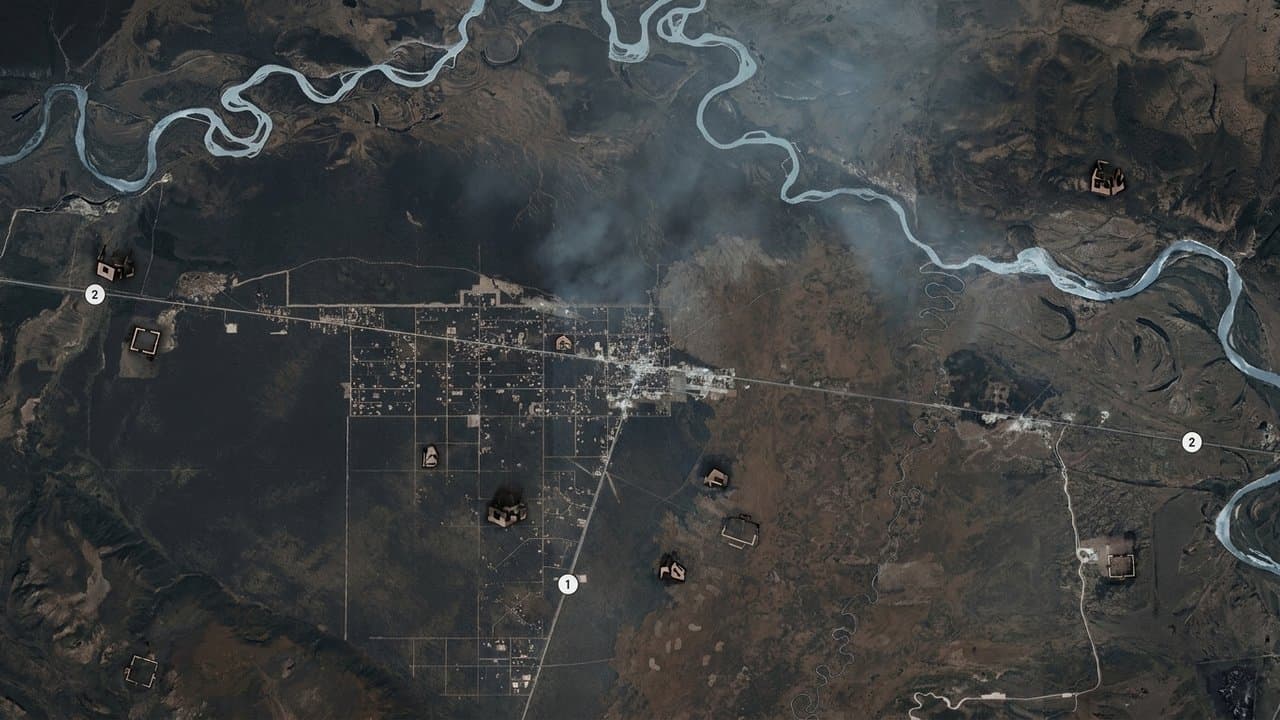
Editorial map (Gemini + Google Maps)
Tok fire aid excludes outbuildings; a second grant covers personal property, and registration closes Oct. 19
Households that lost sheds, garages and workshops to the Mukluk Fire near Tok have until Oct. 19 to register for the only assistance program available to them, and that program says it generally does not cover outbuildings. A separate grant of the same size covers personal property, including tools and subsistence equipment.
The Alaska Division of Forestry and Fire Protection determined on Aug. 30 that the fire destroyed 50 single residences, along with 108 outbuildings, garages, sheds, workshops or other secondary structures, more than two-thirds of the destroyed structures.
The federal declaration for the fire does not reach individual households. FEMA's record for declaration FM-5672-AK, issued Aug. 18 for the Southeast Fairbanks Census Area, shows public assistance declared and individual assistance not declared. That leaves the State of Alaska's program as the whole of the aid available to families who lost homes.
The state calls it the 2026 August Tok Fire Disaster. Registration runs from Aug. 18 through Oct. 19 and covers the Alaska Gateway Regional Education Attendance Area, the rural school district that takes in Tok and the villages around it. The program provides State Individual Assistance and Temporary Housing.
Grants apply to the essential living areas of a primary residence, defined precisely as occupied bedrooms, one bathroom, one kitchen, a dining room, a living room, an entrance and exit, and the foundation and structure. The program page states that assistance "generally will not include cosmetic features, landscaping, outbuildings, sidewalks and driveways."
The state's fact sheet for this disaster sets two ceilings, not one: $22,400 for housing repair, and a second $22,400 for personal property. The personal property grant pays to replace essential clothing, household items, furnishings and appliances, tools and employer-required specialized clothing, and subsistence equipment or structures. The fact sheet does not say whether property lost from an outbuilding qualifies, and the state's advice is to apply and let the program decide.
Jeremy Zedek, a public information officer with the Division of Homeland Security and Emergency Management, told a Tok community meeting that the primary-residence cap for the program is $22,400. He said the temporary housing component can give homeowners up to 18 months of housing and renters three months, based on federal fair market rates for the area adjusted to family size. "I really would encourage everyone to go and apply for that individual assistance, even if you're not sure that you have damages that are eligible," Zedek said.
The program can also help with transportation for a primary vehicle, disaster-related medical and dental expenses, and funeral expenses. Security deposits may be covered; pet deposits are not. Applicants must refund any part of a grant later covered by other means, a requirement set out in state regulation at 6 AAC 94.220. Decisions may be appealed in writing within 60 days, after which the director's decision is final.
Registration is available by phone at (844) 445-7131, Monday through Friday from 8 a.m. to 4 p.m., or online at Ready.Alaska.Gov. The state asks applicants to bring a description of the damages, home ownership documents, insurance information, personal identification and proof of occupancy such as a utility bill, and to photograph damage where it is safe to do so.
The Division of Homeland Security and Emergency Management reported that it is working with the Department of Environmental Conservation's Solid Waste Program "to develop a plan to support property owners as they clean up fire-damaged and destroyed items," work that has been underway since at least Aug. 29 with no plan or timeline yet published. The Department of Environmental Conservation warns that older structures may contain asbestos.
The fire started Aug. 17 and stopped growing Aug. 27. Officials lifted the remaining evacuation orders on the morning of Aug. 29, allowing residents to return home. Power was restored to the main lines by Aug. 29, though some residents still lacked electricity. A smaller incident management team took command at 7 a.m. on Sept. 1 as work shifted from suppression to repair. As of Sept. 6 the fire stood at 7,335 acres and 29 percent contained, with 37 personnel assigned.
"Fire-weakened or dead standing trees may fall without warning, even on calm days," the division wrote on Sept. 6. "What appears to be solid ground may conceal ash pits, and hotspots can persist within the fire's interior."
The division extended fire season on Aug. 30 in the Delta, Tok and Copper River protection areas "due to continued dry conditions and an increased risk of wildland fire," running from Sept. 1 through 11:59 p.m. on Sept. 14 and keeping burn permit rules in force, citing 0.05 inch of rain in the area the previous Saturday and northwest gusts to 30 mph.
No resident who lost a home or outbuilding is named or quoted in the agency records this account is drawn from. The state has not published how many households have registered, how many have been approved, or how much has been paid.
AI-assisted, reviewed by editors.
Stay informed. Support what matters.
Free, permanent access to local news you can verify. Subscribe to support Walter AlaskaNews and go ad-free.
Related Coverage
Mukluk Fire survivors near Tok have until Oct. 19 to register for state aid
Alaska News · 5d ago
Mukluk Fire households can apply for up to $44,800 in state grants through Oct. 19
Alaska News · 2w ago
FEMA's Mukluk Fire grant pays for firefighting, not for people who lost homes
Alaska News · 2w ago
Cause of Tok's Mukluk Fire stays officially under investigation
Alaska News · 1w ago
Tok fire's south end contained, but Midnight Sun stays evacuated about another week
Alaska News · 1w ago
Comments
Sign in to leave a comment.
No comments yet. Be the first to share your thoughts.