AI image
Supreme Court narrows damages path in prison religious-rights cases
A U.S. Supreme Court ruling Tuesday narrowed one damages path for prisoners whose religious rights are violated, years after Alaska's Department of Corrections settled a case over Native spiritual practices at Goose Creek Correctional Center.
Six years ago, the Alaska Department of Corrections settled with a Cherokee prisoner at Goose Creek Correctional Center who had been denied a bear claw pendant and religious bandanas. The federal law that backed his case is still on the books. But the Supreme Court ruling Tuesday changes what a prisoner in his position could collect from individual prison employees today.
In Landor v. Louisiana Department of Corrections, the Court ruled prisoners can't personally sue individual prison employees for money damages under the Religious Land Use and Institutionalized Persons Act — the federal law protecting incarcerated people's religious practice. That law works by attaching conditions to federal money sent to state prisons, the Court said, and individual officers never personally signed on to being sued for damages.
The case at the Supreme Court involved Damon Landor, a Rastafarian whose hair Louisiana prison officials cut against his religious objections.
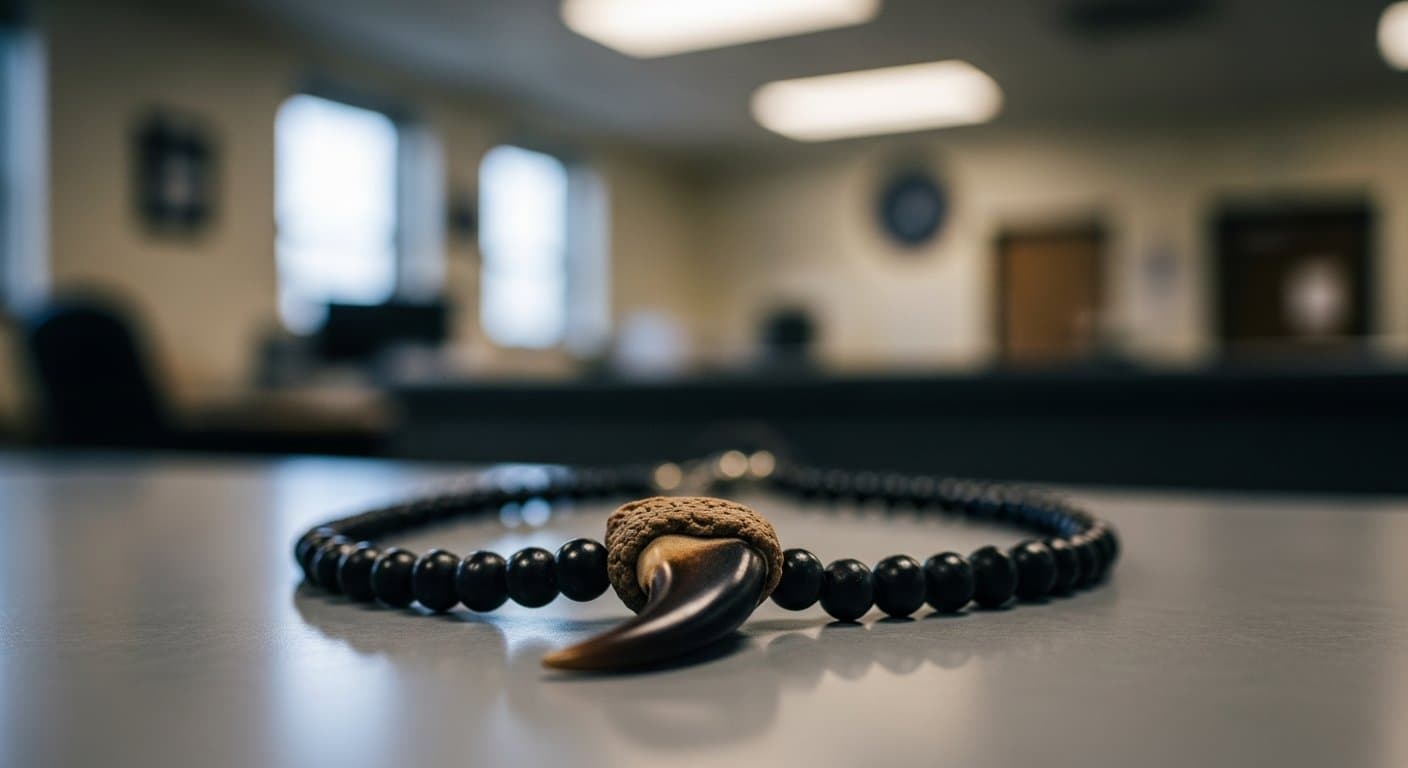
The Alaska prisoner was Brian Hall. The state settled his case in 2019 after he repeatedly asked to wear a bear claw pendant and religious bandanas. DOC had denied the requests on what the ACLU of Alaska called vague safety grounds. The settlement let Hall wear a dulled bear claw and religious bandanas. DOC also agreed to evaluate future religious requests under that federal law rather than judge whether a practice matched what the agency considered the standard form of a religion, and to consider gentler options before denying a request. DOC paid the ACLU $30,000 in attorney fees.
Tuesday's ruling does not undo any of that. The law still applies. Prisons still must follow it. A prisoner whose request is denied can still ask a court to order the prison to accommodate, can still recover attorney fees, and can still bring other kinds of legal claims.
What changes is the personal money-damages route. After Landor, an individual officer who blocked a religious request can no longer be personally sued for money under that law. The institution can still be ordered to fix the policy. The cost just won't land on the officer personally.
Source: Supreme Court narrows damages path in prison religious-rights cases ().
Drafted with AI. Edited by Cale Green (1 revision). No full editor review is on record. Who is accountable.
Stay informed. Support what matters.
Free, permanent access to local news you can verify. Subscribe to support Walter AlaskaNews and go ad-free.
Related Coverage
Supreme Court to hear Alaska bush pilot's fight over $95,000 plane seized for a six-pack
Alaska News · 2mo ago
Ninth Circuit says tribal law cannot shield employees from federal civil rights suits
Alaska News · 1w ago
Court says a tribe can't sue its health consortium in state court
Alaska News · 1mo ago
Supreme Court tax-sale ruling puts spotlight on Alaska foreclosure proceeds
Alaska News · 3mo ago
Supreme Court declines to review Alaska's challenge to rural subsistence priority
Alaska News · 1mo ago
Comments
Sign in to leave a comment.
No comments yet. Be the first to share your thoughts.