Generated image
The state must bridge the language gap before ending parental rights, court says
Before Alaska can permanently take a child from a parent, it has to be able to talk to that parent — in a language they understand.
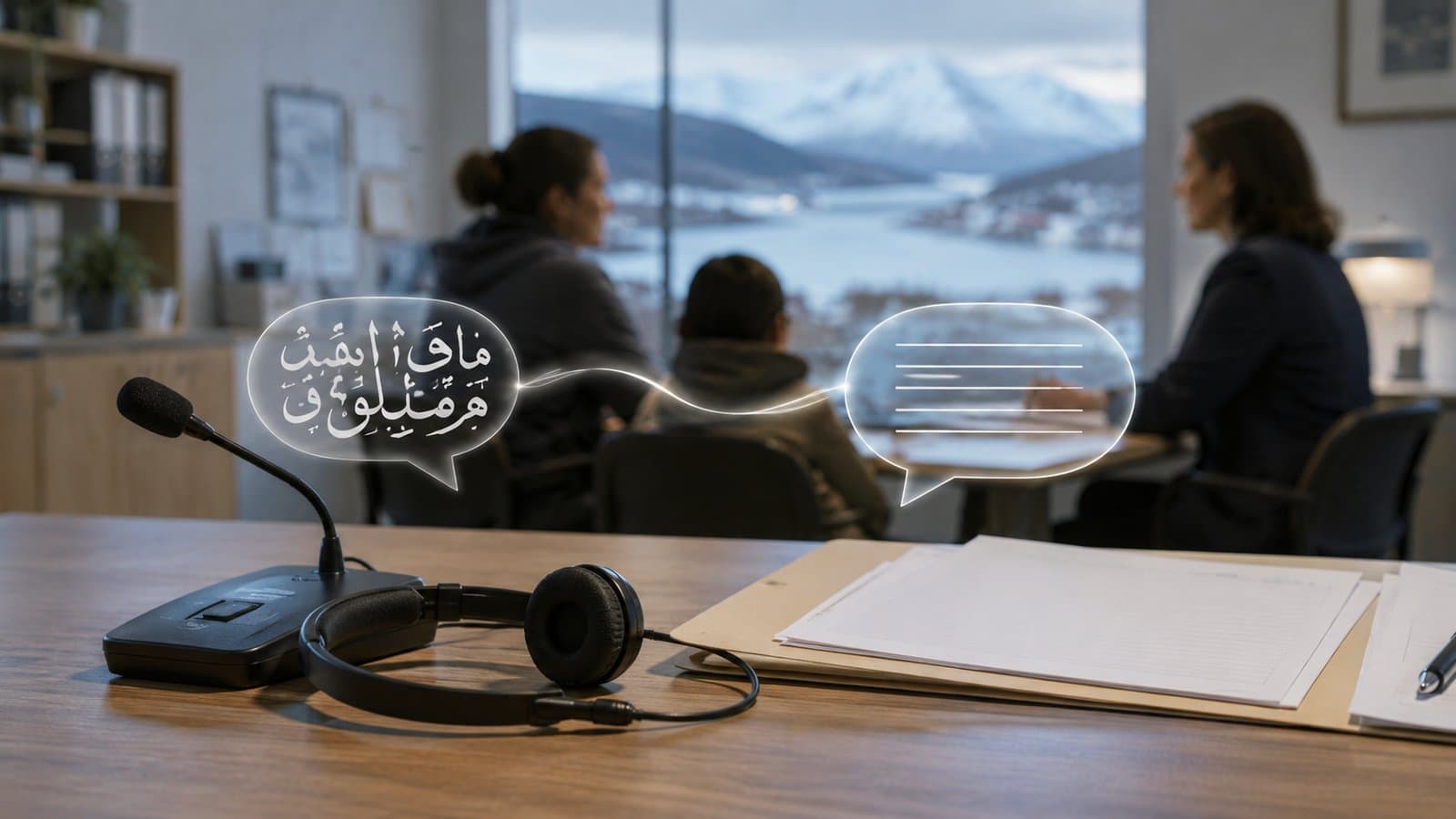
The Alaska Supreme Court ruled Friday that the Office of Children's Services must make real accommodations to communicate with parents whose first language isn't English, not only in court but in its everyday casework, or it can't claim it made the "reasonable efforts" the law requires before terminating parental rights.
The court grounded the rule in Alaska's linguistic reality: about 15 percent of Alaskans speak a language other than English at home, and the state is home to at least 20 Native languages. It also built in a protection that speaks directly to Native communities — a parent doesn't give up a language-barrier claim just by testifying in English or failing to ask for an interpreter, the court said, recognizing that cultural dynamics can make some parents reluctant to ask authority figures for help.
Yet the ruling that set that standard also went against the parent who raised it. The case, Hamza B. v. State, arose after OCS took custody of his 13-year-old son in 2022 amid findings of serious physical abuse. Hamza B. argued the agency should have provided an Arabic interpreter, but the court found he had communicated "just fine in English," testified largely in English by choice, and had been accommodated when he asked — OCS switched to reaching him mostly by text. His termination was upheld.
The broader effect lands beyond his case. Courtrooms already must provide interpreters; Friday's decision pushes that obligation upstream, into the casework where child-welfare cases are actually built — and makes clear that skipping it can sink the state's case for taking a child.
Source: Alaska Supreme Court, Alaska Supreme Court: Hamza B. v. State of Alaska, Department of Family & Community Services, Office of Children’s Services.
Made by our human newsroom with AI. How humans and AI work here · Grow with our newsroom
Stay informed. Support what matters.
Free, permanent access to local news you can verify. Subscribe to support Walter AlaskaNews and go ad-free.
Related Coverage
Alaska Supreme Court upholds ICWA termination, clarifies standards
Alaska News · 3mo ago
Alaska's high court reversed a decision to end a Native mother's parental rights — over how the state made its case
Alaska News · 3mo ago
Alaska Supreme Court rules early ICWA errors don't undo a later termination that followed the law
Alaska News · 4d ago
Alaska Supreme Court clarifies active-efforts standard in Jace B. ICWA case
Alaska News · 4mo ago
Alaska Supreme Court affirms termination of Native mother's parental rights over domestic violence
Alaska News · 2mo ago
Comments
Sign in to leave a comment.
No comments yet. Be the first to share your thoughts.