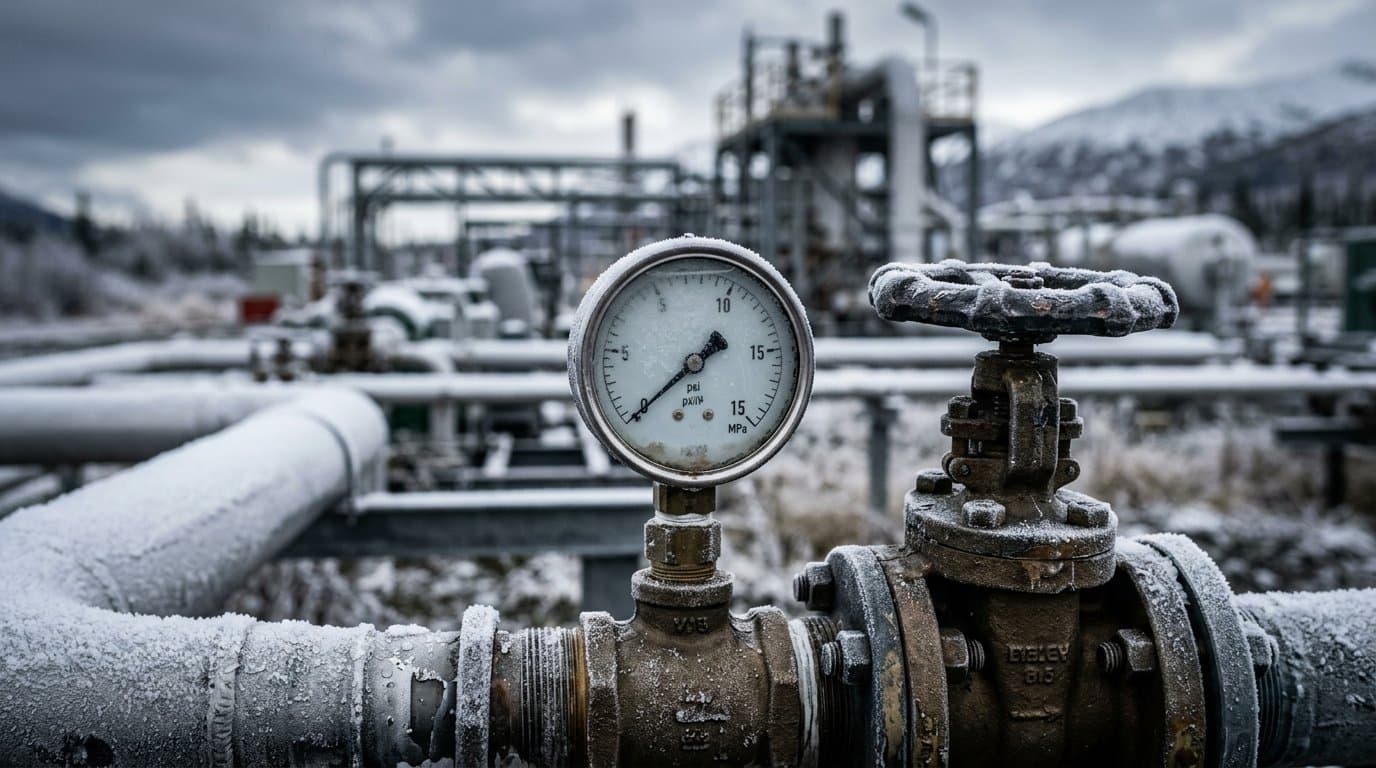
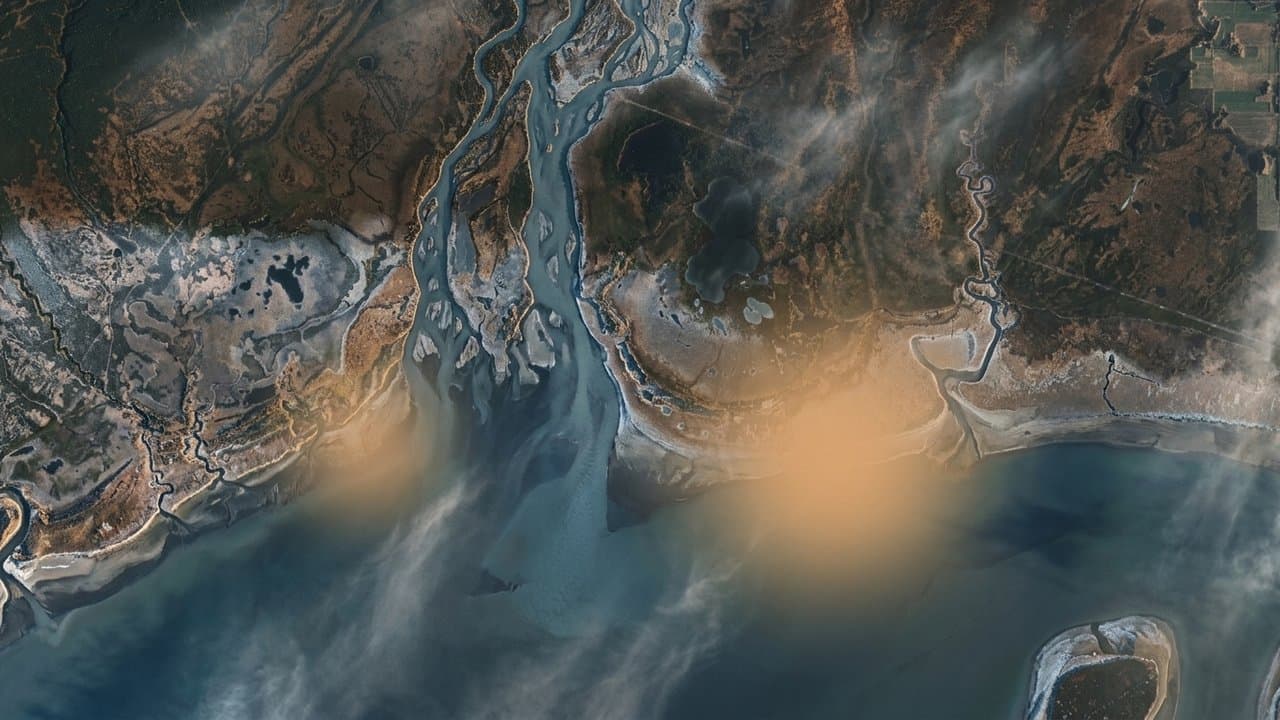
AI image
State releases data on cores from CIRI's old plan to turn Beluga coal into gas
The Alaska Division of Geological & Geophysical Surveys this month released data on more than 3 miles of rock cores drilled beneath the Beluga River area, on the west side of Cook Inlet, by an Alaska Native corporation and a partner that once hoped to turn the coal there into gas for electricity.
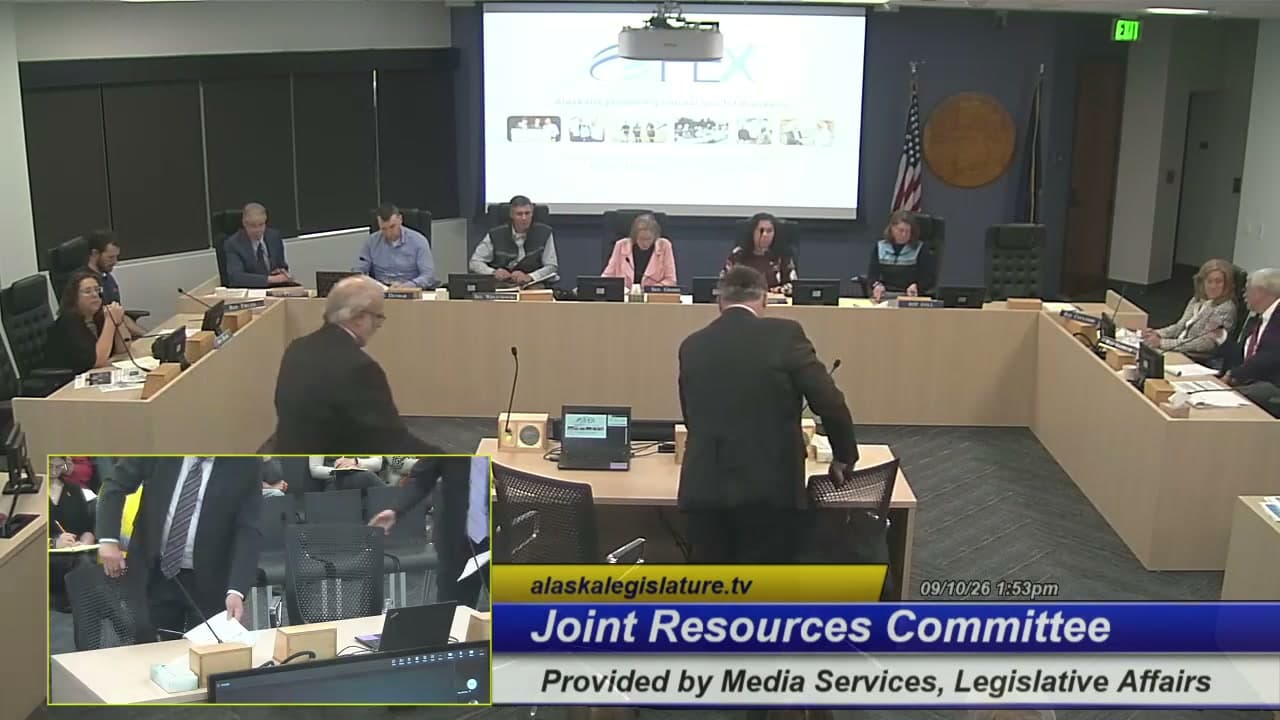
The cores come from the same area as Chugach Electric's main gas supply. Chugach's Beluga Power Plant, in service since the 1960s, sits on top of the Beluga River gas field, the inlet's top-producing field in 2024 and 2025, Chugach CEO Arthur Miller told legislators at a September hearing. Chugach owns two-thirds of the field, which supplies about 60% of the gas the utility burns.
But Cook Inlet's gas is running short. The basin produced about 61 billion cubic feet in 2025, less than the 65 to 70 billion the region uses, and producers told lawmakers that Southcentral Alaska won't have enough gas for the winter of 2029 without imported or North Slope gas.
Cook Inlet Region Inc., the Alaska Native regional corporation for the Cook Inlet area, warned of the same problem 17 years ago. "Southcentral Alaska faces imminent shortages of local natural gas for heat and electricity," CIRI told the House Resources Committee in a 2009 briefing. Its proposed answer was underground coal gasification, a project sized to fuel a new 100-megawatt power plant on CIRI land near the Beluga gas fields.
Underground coal gasification turns coal into gas without mining it. Air or oxygen is pumped down a well into a coal seam, setting off a partial burn that makes a combustible gas, called syngas, which is piped back up and burned to make power.
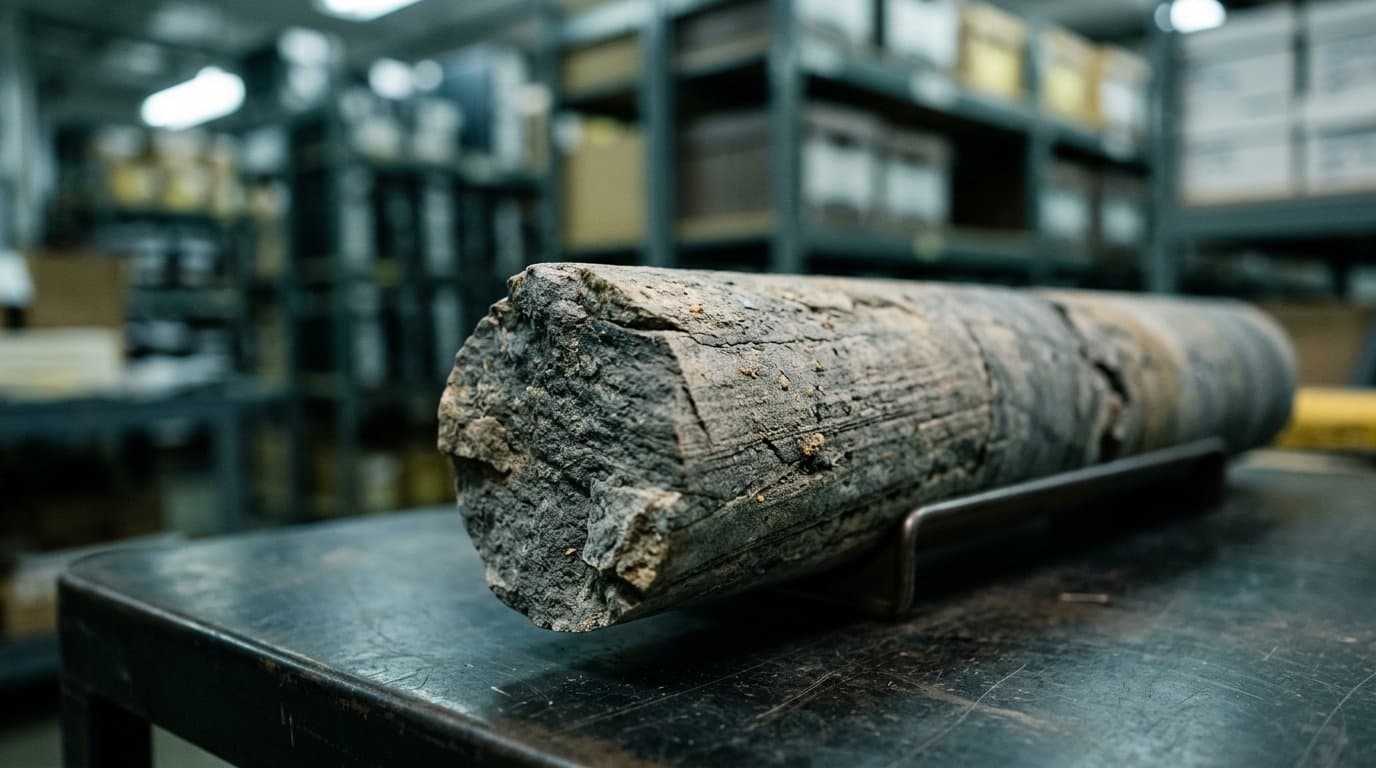
To see whether the coal would work, CIRI and its partner, Laurus Energy, drilled 13 test wells between February 2010 and April 2011, the state's report says. The wells ran 475 to 2,620 feet deep, and the drillers pulled up about 17,000 feet of core, cylinders of rock 2 1/2 inches across. In 2011, the partners' joint venture, Stone Horn Ridge, estimated the site held about 300 million metric tons of coal, according to Ergo Exergy, whose technology Laurus licensed.
The power plant was never built. CIRI donated the cores to the state's Geologic Materials Center in Anchorage, a public archive of rock samples, which took ownership in May 2017. Anyone can ask to see them.
This month's release, Geologic Materials Center Data Report 480, lays out what's there: a map of the wells, an inventory of the core, a summary of each well and the depths of the rock layers it crossed. The cores cut through the coal-bearing Beluga and Tyonek formations.
The division calls the closely spaced cores "a unique and invaluable dataset." It says they could support research on groundwater, carbon storage, oil and gas exploration and coalbed methane, the natural gas held in coal seams.
The division attaches a caution to reports like this one, which carry outside results on samples it holds: they "are provided as received and have not undergone technical review," and should not be cited as authoritative.
The release also includes a 2010 summary of the project's potential environmental effects, prepared by Stratus Consulting for the Center for Science in Public Participation, a Montana nonprofit, before the test wells were drilled. It names groundwater contamination and the ground sinking into the cavities left by burned coal as the main risks of underground coal gasification.
The Beluga site is still part of Chugach's plans. Hilcorp is developing gas storage at the Beluga River field, and Chugach is building up to 10 megawatts of solar there, Miller told legislators.
What did you make of this story? (no account needed)
Made by our human newsroom with AI. Reviewed by Cale Green. How humans and AI work here · Grow with our newsroom ·
Keep Alaska News free for everyone.
No paywall, ever. Members pay so everyone can read the meetings and records Alaska News covers.
Get Alaska News in your inbox
Create your free account and get the day’s top stories around 6 each morning, in a few minutes’ read.
Top stories, around 6 each morning.
Stories on what you follow, on Sundays.
Source: Alaska Division of Geological & Geophysical Surveys, Alaska Division of Geological & Geophysical Surveys: Cores from 13 stratigraphic test wells in the Beluga River area, onshore northwestern Cook Inlet, Alaska.


Comments
Sign in to leave a comment.
No comments yet. Be the first to share your thoughts.