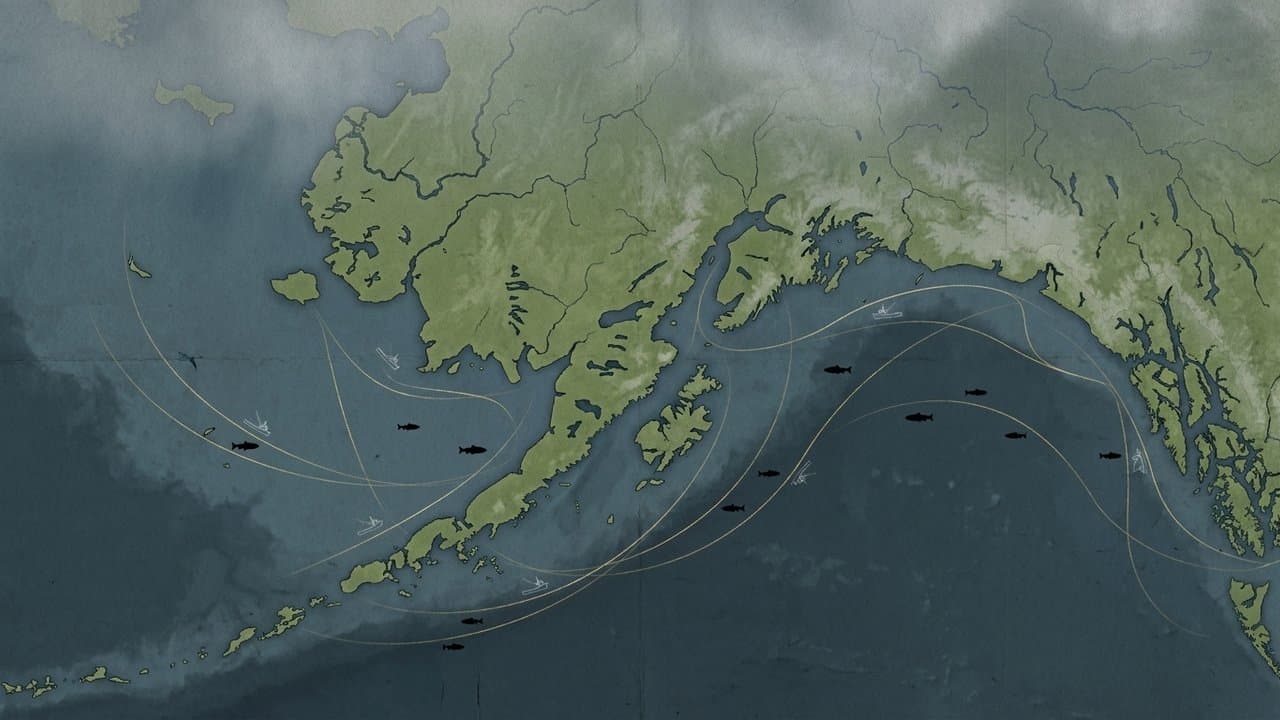
Editorial map (Gemini + Google Maps)
Southeast troll Chinook season stretches into mid-July with half the quota still in the water
Southeast Alaska commercial trollers are still fishing for Chinook two weeks into the season because catch rates are down and fewer boats are on the water, a combination that has extended the season longer than managers anticipated before it opened.
Grant Hagerman, the Southeast region's commercial troll management biologist for the Alaska Department of Fish and Game, said the slow pace reflects both sides of the equation. "Fishing is a little bit slower, definitely," Hagerman said in a July 13 interview. "But we have fewer boats. There's less effort this year as well. So a combination of those two has has prolonged this longer than what we'd anticipated, preseason."
The first Chinook salmon opening of the general summer troll season began July 1 targeting approximately 83,700 fish, and the fishery remains open for Chinook retention until further notice. An Alaska Department of Fish and Game inseason summary updated through July 17 shows 393 troll permits have landed 31,000 Chinook, with another 15,000 reported onboard but not yet offloaded, leaving roughly 42,000 of the 84,000-fish first-period quota still available. An earlier July 9 snapshot showed 340 permits with 19,000 landed and 10,000 onboard; that same data also recorded harvests of 9,575 coho and 68,821 chum salmon.
The extended open period gives permit holders additional opportunity to fish. For context, the 2026 troll allocation of 146,000 treaty Chinook runs more than 50 percent above the record low set in 2025, and the overall all-gear harvest limit is 205,300 fish.
The open troll season does not by itself indicate strong abundance. On July 8, the Alaska Department of Fish and Game announced changes to Southeast Alaska marine sport fishery regulations for king salmon, effective July 11 through Sept. 30, citing lower-than-anticipated harvest. Sport interests have also sought a long-term 20 percent share of the treaty allocation. Legal challenges, including a Seattle federal district court ruling that previously threatened to shut down summer and winter seasons to protect endangered killer whales, underscore that continued operation of the fishery remains contingent on ongoing federal court and National Marine Fisheries Service decisions, not solely on inseason catch rates.
Source: Southeast Alaska commercial troll king salmon fishery remains open.
Made by our human newsroom with AI. How humans and AI work here · Grow with our newsroom
Stay informed. Support what matters.
Free, permanent access to local news you can verify. Subscribe to support Bill AlaskaNews and go ad-free.
Related Coverage
Southeast trollers got ten more days, and a smaller fleet to fish them with
Alaska News · 4w ago
Southeast Alaska pink salmon counts fall far below average for fourth straight week
Alaska News · 3mo ago
Kodiak salmon fishing extended into Sunday across multiple districts
Alaska News · 1mo ago
Southeast Alaska pink and chum test fisheries run below average ahead of peak season
Alaska News · 3mo ago
Southeast Alaska gillnetters caught less salmon this year but expect higher pay
Alaska News · 2w ago
Comments
Sign in to leave a comment.
No comments yet. Be the first to share your thoughts.