
Editorial map (Gemini + Google Maps)
Seward budget would pair mill rate cut with $75,000 homeowner exemption
Seward City Manager Kat Sorensen's final 2027-28 budget, posted Nov. 6, would cut the city's property tax rate from 3.64 to 2.64 mills in 2028. It also counts on a new $75,000 homeowner exemption. A mill is $1 of tax for each $1,000 of assessed value.
The exemption would come through a separate ordinance. Sorensen's report in the Nov. 9 council packet says it will be introduced Nov. 23 and would exempt $75,000 of the assessed value of primary residences in the city.
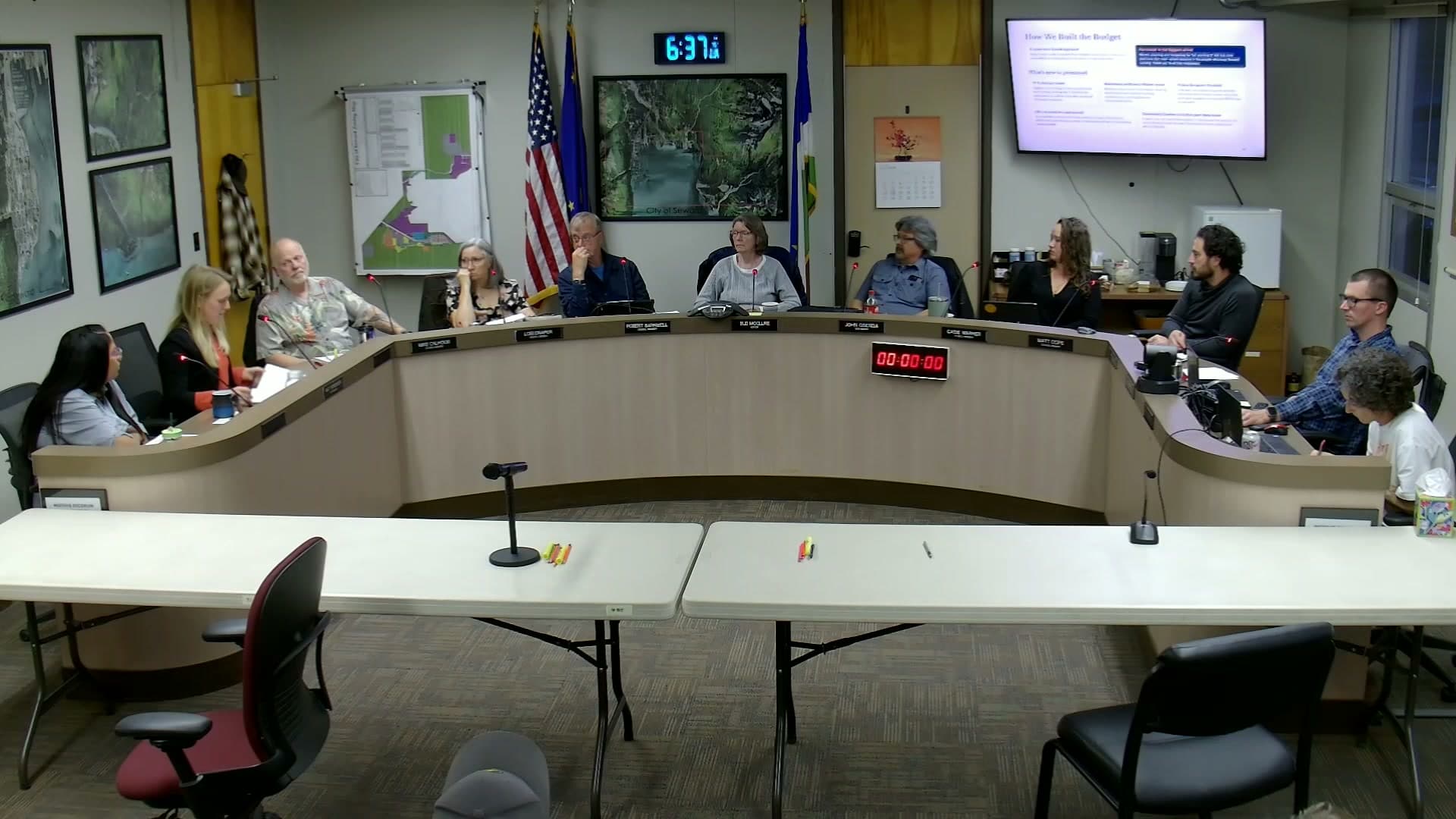
The council opened the first of three hearings on the budget Monday. Residents can testify again at a second hearing Nov. 23, and final approval is scheduled for Dec. 14.
The final budget shows $1,094,155 in 2028 real property tax revenue, $100,000 below the October draft. Total 2028 general fund revenue falls by the same amount. No city record calls the $100,000 the exemption's cost or explains how it was calculated.
Qualifying homeowners would get both cuts. The exemption is worth about $198 a year at the proposed 2.64 mill rate. Second homes and rental properties would get only the rate cut. Renters would get nothing directly.
The exemption idea came up during late-October work sessions. Council member Casie Warner asked in an Oct. 28 letter to explore "maintaining our current mill rate and instead using targeted tax exemptions." The final budget does both.
Council member Lori Draper backed exemptions Oct. 27 as a way to reward year-round residents. She said, "That's what the borough has and Seward has none." Another council member said that day that the rate cut would miss year-round renters and lower-income residents.
On Oct. 27 Sorensen tied the property tax left at the proposed rate to the city's debt payments and said any further cut would have to come in exchange. On Oct. 28 she said the exemption "would only be about $50,000 a year," half the budget's change, and floated dropping the mill cut in favor of lower electric rates.
The tax cuts rest on a seasonal sales tax. The city's rate stays at 4% year-round through 2027, then shifts in 2028 to 6% from April through September and zero the rest of the year. Sales tax revenue would rise to about $10.9 million that year. Even so, 2028 general fund spending runs about $2.66 million above revenue, covered by net transfers from other city funds.
A new state law that took effect Sept. 20 lets a municipality exempt all or part of a home "owned and occupied as a permanent place of abode by a resident of the municipality." Who would qualify in Seward is not settled: the budget's agenda statement cites 185 days of borough residency, while Sorensen has described primary residences in the city.
Whether voters must approve the exemption is also unsettled. Sorensen said Oct. 27 she would check with the city attorney.
What did you make of this story? (no account needed)
Made by our human newsroom with AI. How humans and AI work here · Grow with our newsroom ·
Get Alaska News in your inbox
Create your free account and get the day’s top stories around 6 each morning, in a few minutes’ read.
Top stories, around 6 each morning.
Stories on what you follow, on Sundays.
Source: Seward's final budget adds a $75,000 homeowner tax exemption on top of the one-mill cut, and $100,000 comes off 2028 property tax revenue.













Comments
Sign in to leave a comment.
No comments yet. Be the first to share your thoughts.