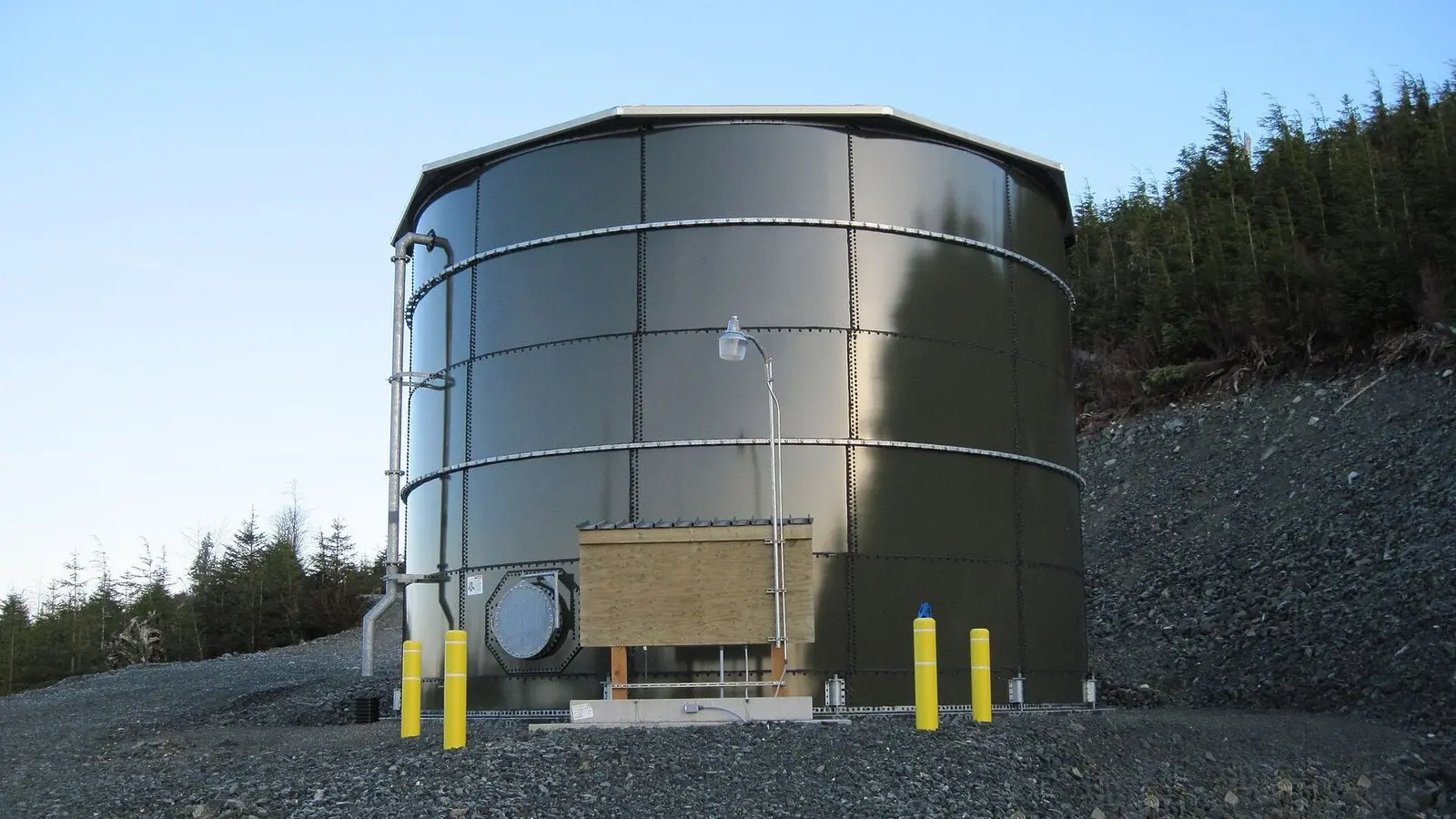
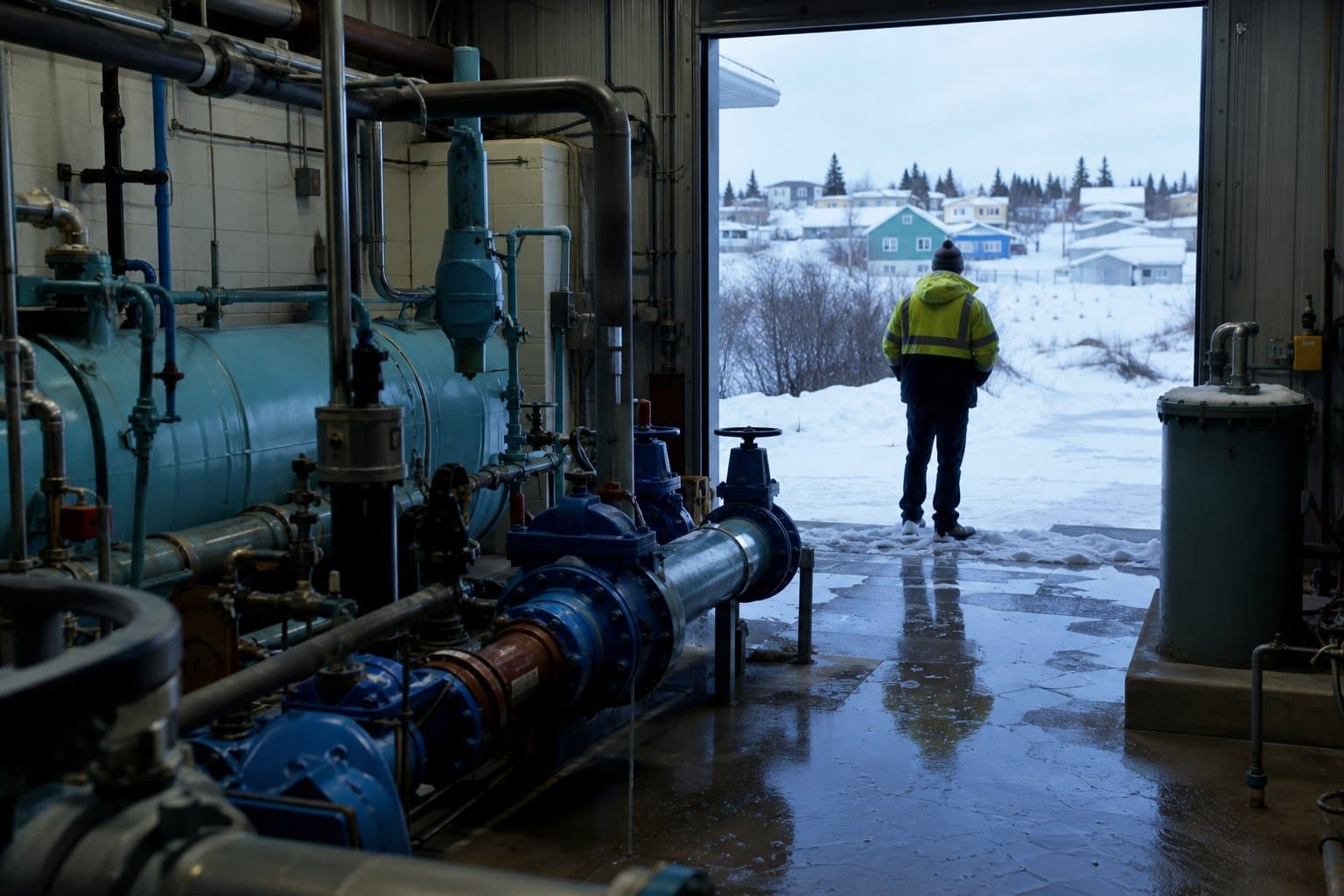
Photo: U.S. Department of Agriculture via Wikimedia Commons · Photo source · CC BY 2.0
Rural Alaska utilities' records due Dec. 31 help decide who gets sanitation money
More than 3,300 rural Alaska homes don't have running water or a flush toilet, according to the state Department of Environmental Conservation.
Living without them is "a documented cause of high disease rates, including severe skin infections and respiratory illnesses," the department says. It counts about 2,300 of those homes in 47 communities it calls "unserved," and estimates the gap between available funding and needs at more than $660 million.
To decide which community sanitation projects are eligible for that money and which come first, the state relies partly on a score it gives each local utility. The score, called Best Practices, measures whether a utility has the technical, managerial and financial capacity to run its system. The state has used it this way since mid-2015, according to the program page.
The records for the next round of scoring are due by 11:59 pm Dec. 31, the state Division of Community and Regional Affairs reminded utilities Friday, following up on a notice earlier this month.
Those records feed six of the score's nine criteria: utility management training, meetings of the governing body, the budget, revenue, workers' compensation insurance, and whether the utility is current on state and federal payroll taxes. Staff from the state's operator certification, remote maintenance worker and drinking water programs score the other three.
The records cover December of the previous year through November, according to the scoring guide. A checklist asks utilities to send meeting minutes, water operator reports and financial reports monthly, once their governing body approves them.
The division started its Rural Utility Business Advisor program in 1994. In 1996, Congress amended the Safe Drinking Water Act to require states to ensure new water and wastewater systems are viable and have the local capacity to run them. "The ultimate goal is to ensure sustainable and safe water and wastewater utilities for all Alaskans," the state says.
The program is advisory. Its staff travel to help when local utility workers ask, and it offers templates, sample documents, training and scholarships to help pay for travel to in-person classes.
What did you make of this story? (no account needed)
Made by our human newsroom with AI. Reviewed by Cale Green. How humans and AI work here · Grow with our newsroom ·
Keep Alaska News free for everyone.
No paywall, ever. Members pay so everyone can read the meetings and records Alaska News covers.
Get Alaska News in your inbox
Create your free account and get the day’s top stories around 6 each morning, in a few minutes’ read.
Top stories, around 6 each morning.
Stories on what you follow, on Sundays.
Based on a press release from Alaska Division of Community and Regional Affairs.







Comments
Sign in to leave a comment.
No comments yet. Be the first to share your thoughts.