NWS Fairbanks issues three Red Flag Warnings across Interior and Northern Alaska
Red Flag Warnings covered nine named areas across Interior and Northern Alaska Friday afternoon, with conditions the National Weather Service in Fairbanks described as capable of producing new wildfire ignitions from any lightning strike.
All three warnings began at 1 p.m. Friday. Two covered the Yukon Flats and Fortymile Country, and the South Slopes of the Central Brooks Range, Upper Koyukuk Valley, and Dalton Highway Summits, and expired at midnight Saturday. A third, covering the Lower Yukon River, Middle Yukon Valley, Lower Yukon and Innoko Valleys, and Upper Kuskokwim Valley, ran until 3 a.m. Saturday.
What the Warnings Covered
The most active zone was the Lower Yukon River, Middle Yukon Valley, Lower Yukon and Innoko Valleys, and Upper Kuskokwim Valley, where NWS rated thunderstorm coverage as "numerous" with humidity dropping to 35 percent, winds from the northwest at 8 to 15 mph, and temperatures near 80 degrees. "Any lightning can cause new ignitions since the fuels are dry and burnable," the agency said.
The Yukon Flats and Fortymile Country warning cited scattered thunderstorms, humidity as low as 30 percent, northeast winds of 6 to 12 mph, and highs in the upper 70s to near 80 degrees. NWS noted that most storm activity would concentrate along the Alaska-Canada border.
The South Slopes of the Central Brooks Range, Upper Koyukuk Valley, and Dalton Highway Summits warning also cited scattered thunderstorms, humidity as low as 30 percent, west winds of 5 to 10 mph, and temperatures in the upper 70s to near 80 degrees.
NWS noted it would update the warnings if the thunderstorm risk ended earlier or later than forecast. A Red Flag Warning, according to the agency, is directed toward fire agencies and, through them, to the public.
Stake for Subsistence Communities
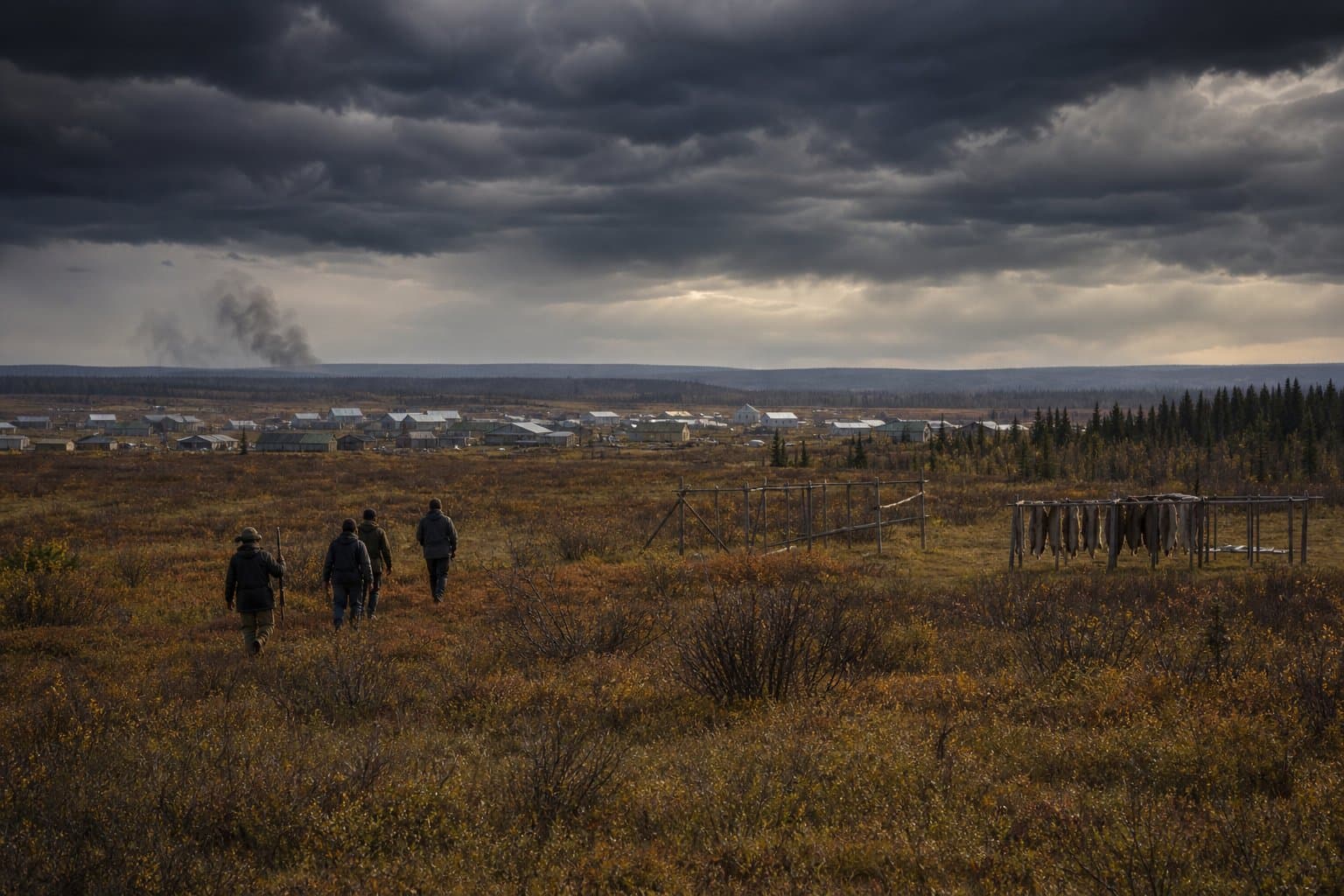
Lightning is the primary cause of wildland fires in remote parts of Interior Alaska, where human access is limited and ignitions may go undetected for days, according to the 2023 Alaska Interagency Wildland Fire Management Plan. The plan notes that agencies must prioritize protecting human life, communities, and critical infrastructure because of the vast size of the state and limited suppression resources.
Wildfire smoke can cause or worsen breathing problems and poses particular health risks to people with heart or lung disease, older adults, children, and pregnant women, according to the Alaska Department of Health. Rural residents in Interior and Western Alaska face additional challenges due to limited access to health care, making advance warnings critical during lightning-driven fire events.
The warnings expired by early Saturday. NWS indicated it would issue updates if conditions changed before then.
AI-assisted, reviewed by editors. Spot an error?
Comments
Sign in to leave a comment.
No comments yet. Be the first to share your thoughts.