
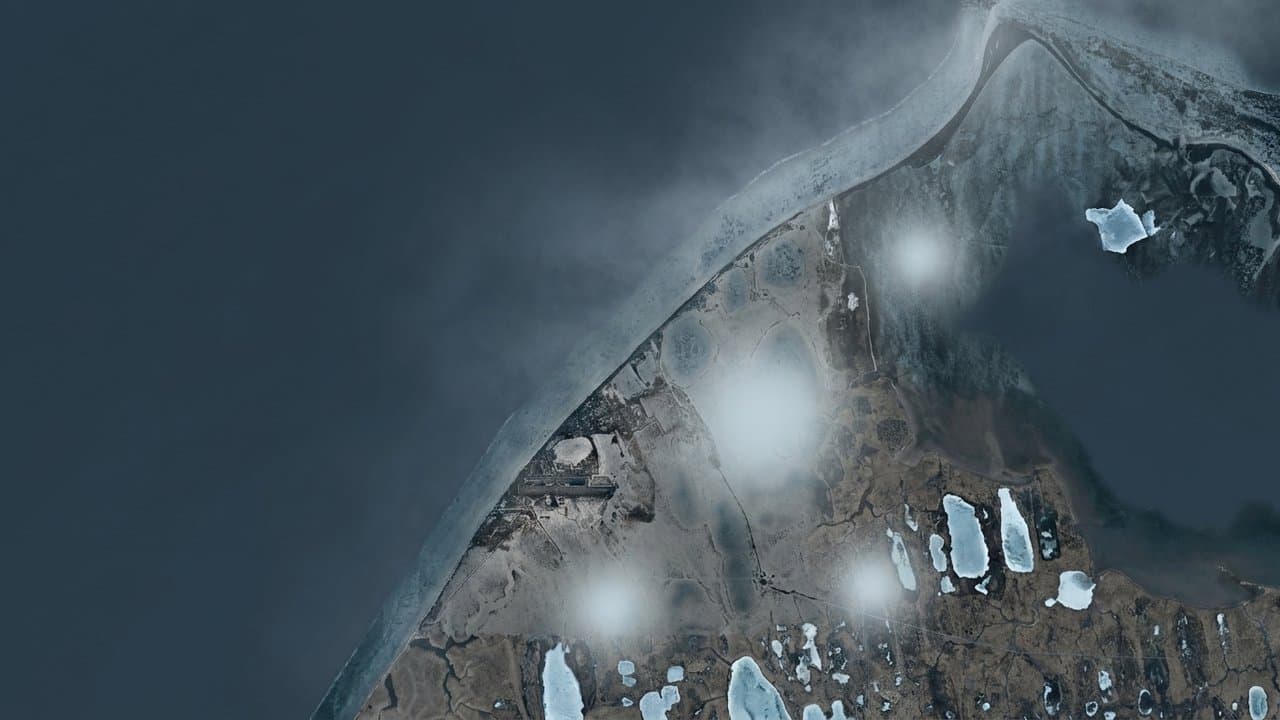
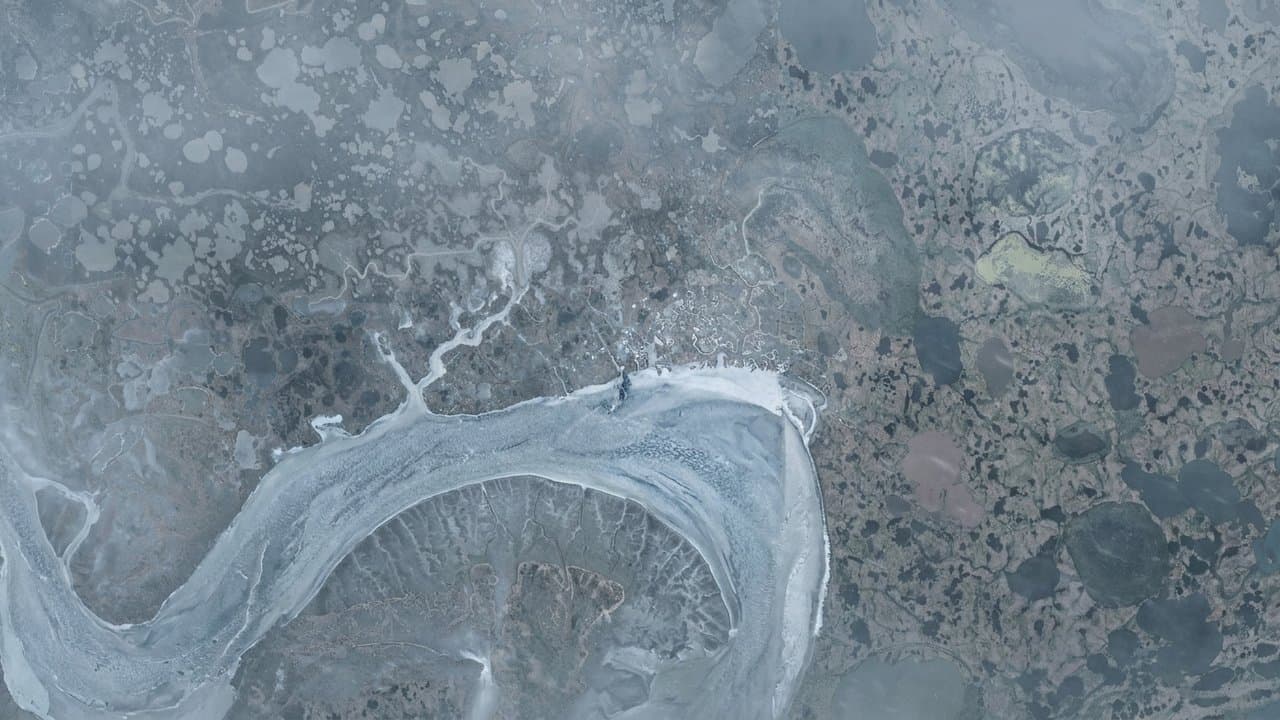
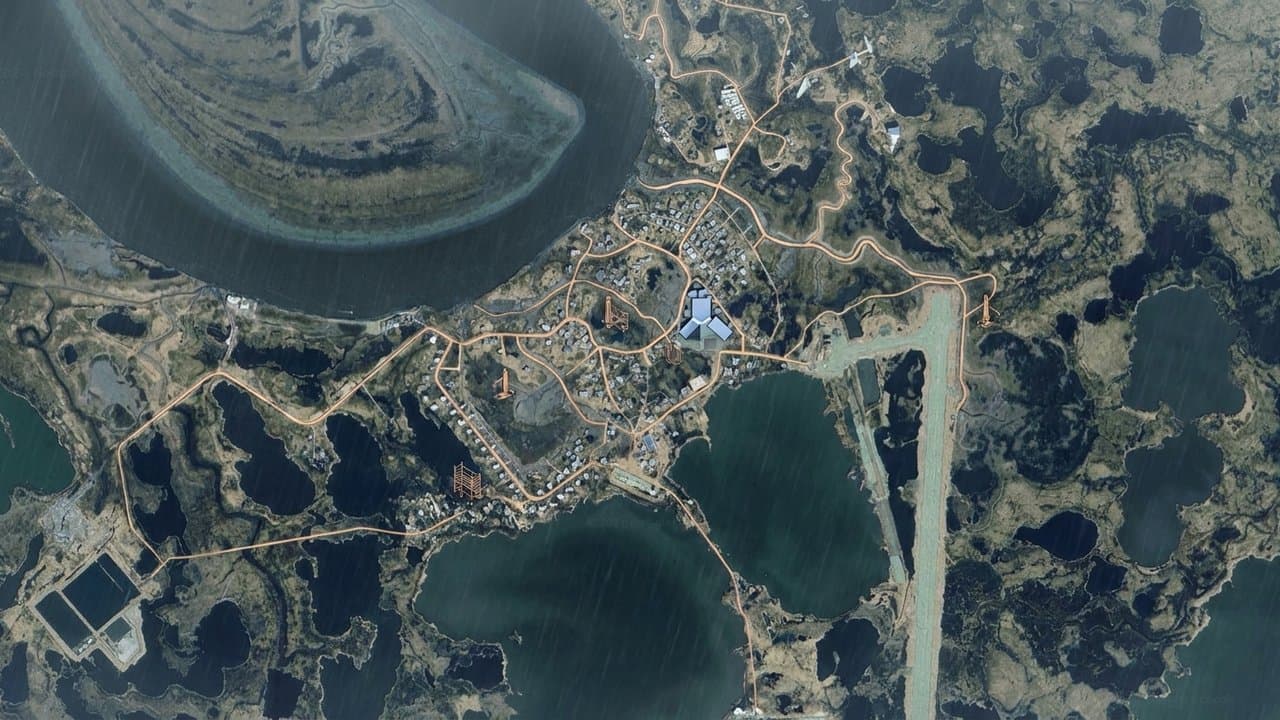
Editorial map (Gemini + Google Maps)
Nunapitchuk has sought Army Corps help moving off sinking ground since 2018, records show
The Yup'ik village of Nunapitchuk has asked the U.S. Army Corps of Engineers since 2018 to help it move about a mile uphill, off sinking ground, and no move has begun, The Intercept reported Monday, citing federal records it obtained.
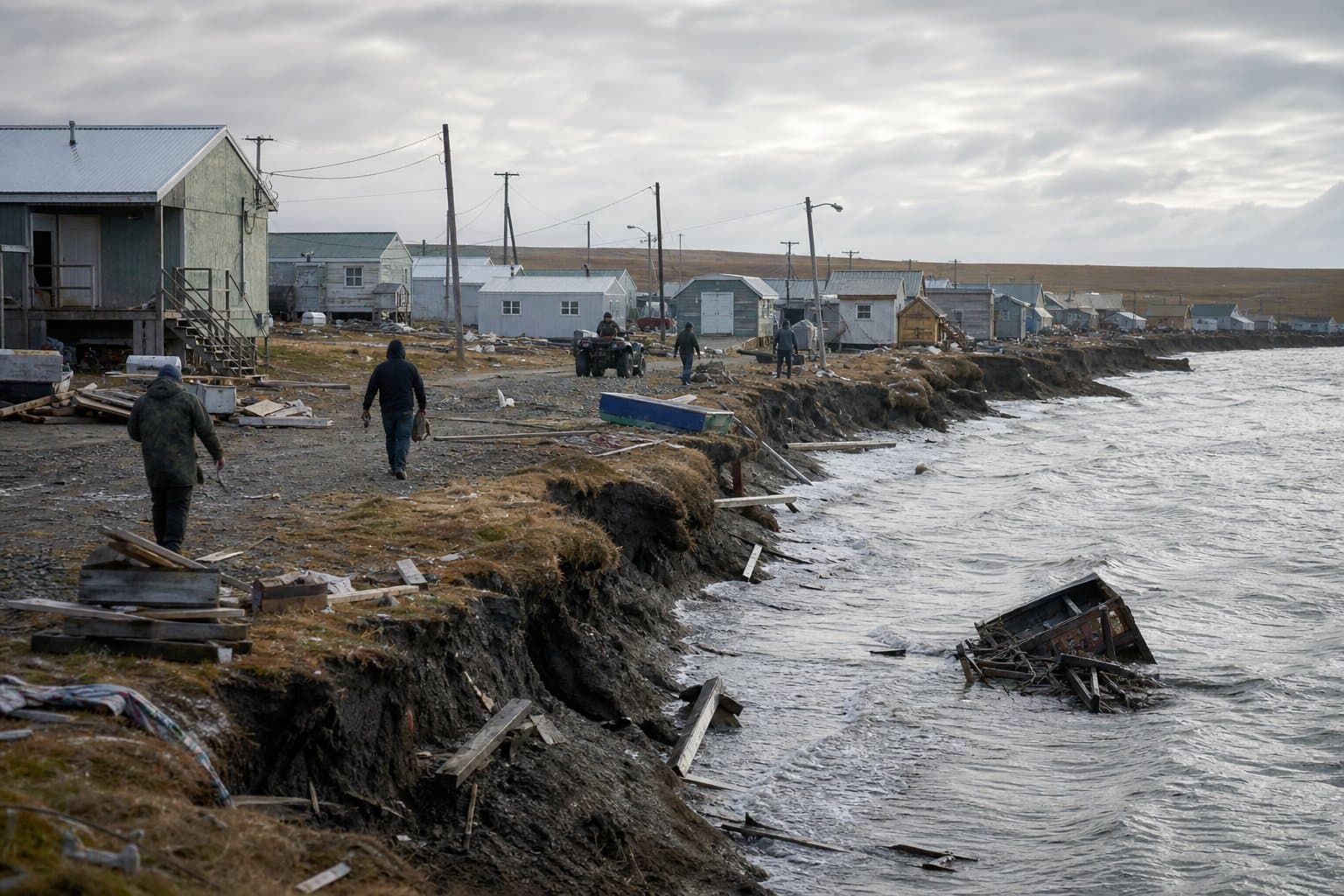
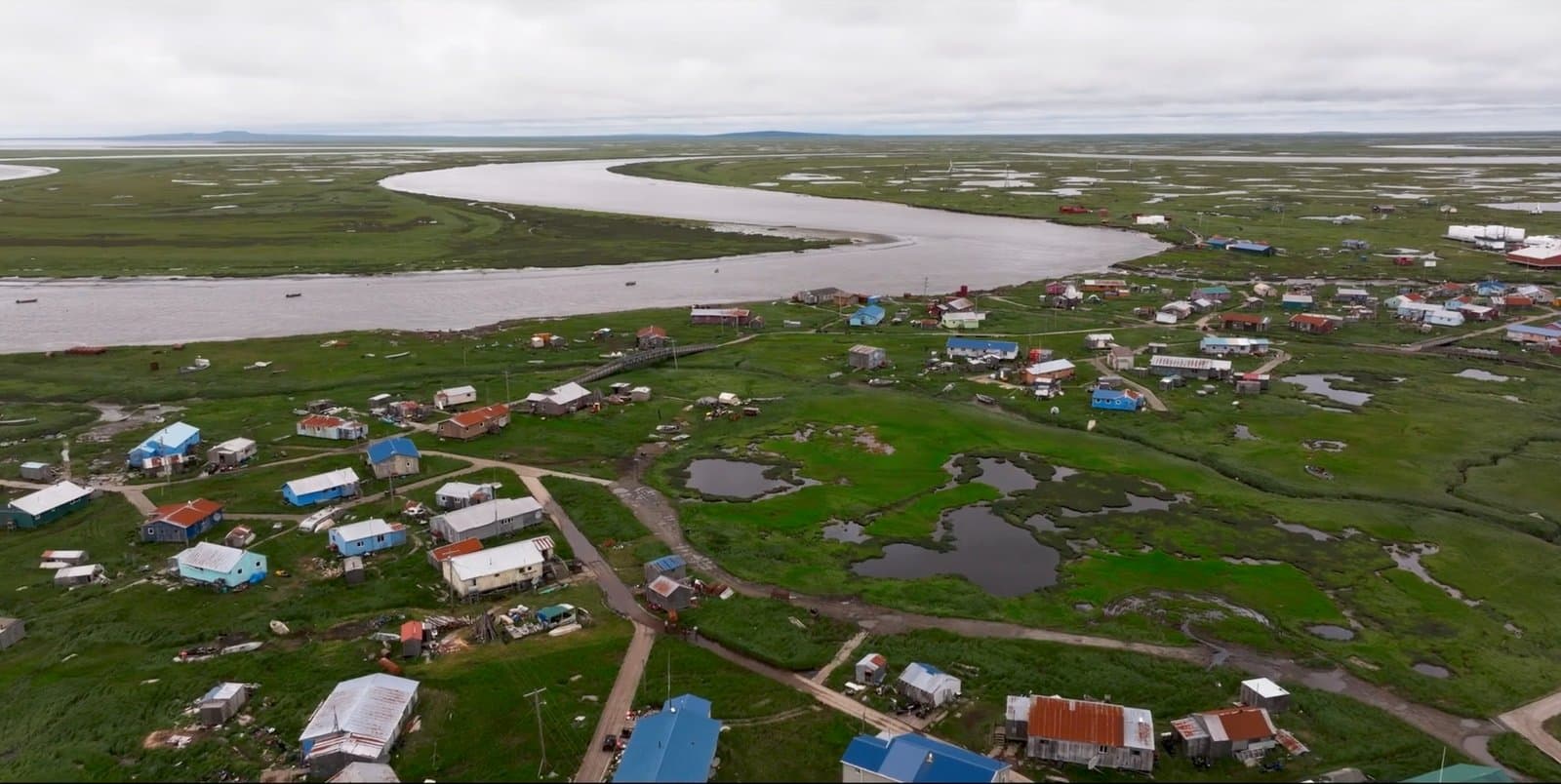
Almost all of the village's roughly 7 square miles is sinking, the outlet reported. One federal analysis found that almost the entire village, home to about 620 people, could be inundated during a 100-year flood, one with a 1% chance in any given year, under projections for 2030 to 2050.
Vincent Wassilie told The Intercept that the cemetery hill where his relatives are buried has sunk by what he and his nephew estimated to be nearly 10 feet since they were children. Once, when the Johnson River, which splits the village, was unsafe to cross, a patient needing urgent care was pushed across in a boat to reach the airport on the west side, he said. Two houses flooded in 2020, he said, and their occupants were still living in them years later.
The site the village has chosen sits about 50 feet higher. Scientists at the Woodwell Climate Research Center measured thaw there 14 to 31 inches deep, against roughly 1.5 feet to more than 7 feet beneath the village in a 2023 assessment.
Tribal leaders warned the Corps in 2018 that the village "may not be habitable in the future." But the village, considered economically distressed, could not afford the Corps' required cost share. By June 2024, an internal Corps presentation recorded the village's goal of being "moved within 5 years."
The Corps proposed several scopes of work, but none were finalized, said Sheryl Musgrove, until recently climate justice director at the Alaska Institute for Justice. One, discussed in March 2025, covered where barges could land, flooding at the new site, drinking water sources and gravel for construction. Musgrove noted the work had to stay within $658,000 so the tribe would not trigger the cost share.
Estimates put the cost of moving Nunapitchuk at about $230 million, The Intercept reported. A January 2024 report by the Alaska Native Tribal Health Consortium and the state, The Unmet Needs of Environmentally Threatened Alaska Native Villages, counted 144 Alaska Native communities with infrastructure damage from erosion, flooding or permafrost thaw. It said erosion threatened Nunapitchuk's public safety building, which holds its jail, within five years or less, and that existing funding meets about 20% of the need in threatened communities.
In a statement to The Intercept, the Corps acknowledged the 2018 letter and said it had worked with the community on possible technical assistance, including site assessments and support for a relocation master plan, but had no final request on the books. "The Alaska District remains ready to assist our partners with their needs," the agency said.
What did you make of this story? (no account needed)
Made by our human newsroom with AI. How humans and AI work here · Grow with our newsroom ·
Keep Alaska News free for everyone.
No paywall, ever. Members pay so everyone can read the meetings and records Alaska News covers.
Get Alaska News in your inbox
Create your free account and get the day’s top stories around 6 each morning, in a few minutes’ read.
Top stories, around 6 each morning.
Stories on what you follow, on Sundays.
Assembled from public records the newsroom collected.



Comments
Sign in to leave a comment.
No comments yet. Be the first to share your thoughts.