AI image
Native Village of Paimiut gets $900,000 to teach the Hooper Bay dialect of Yup'ik
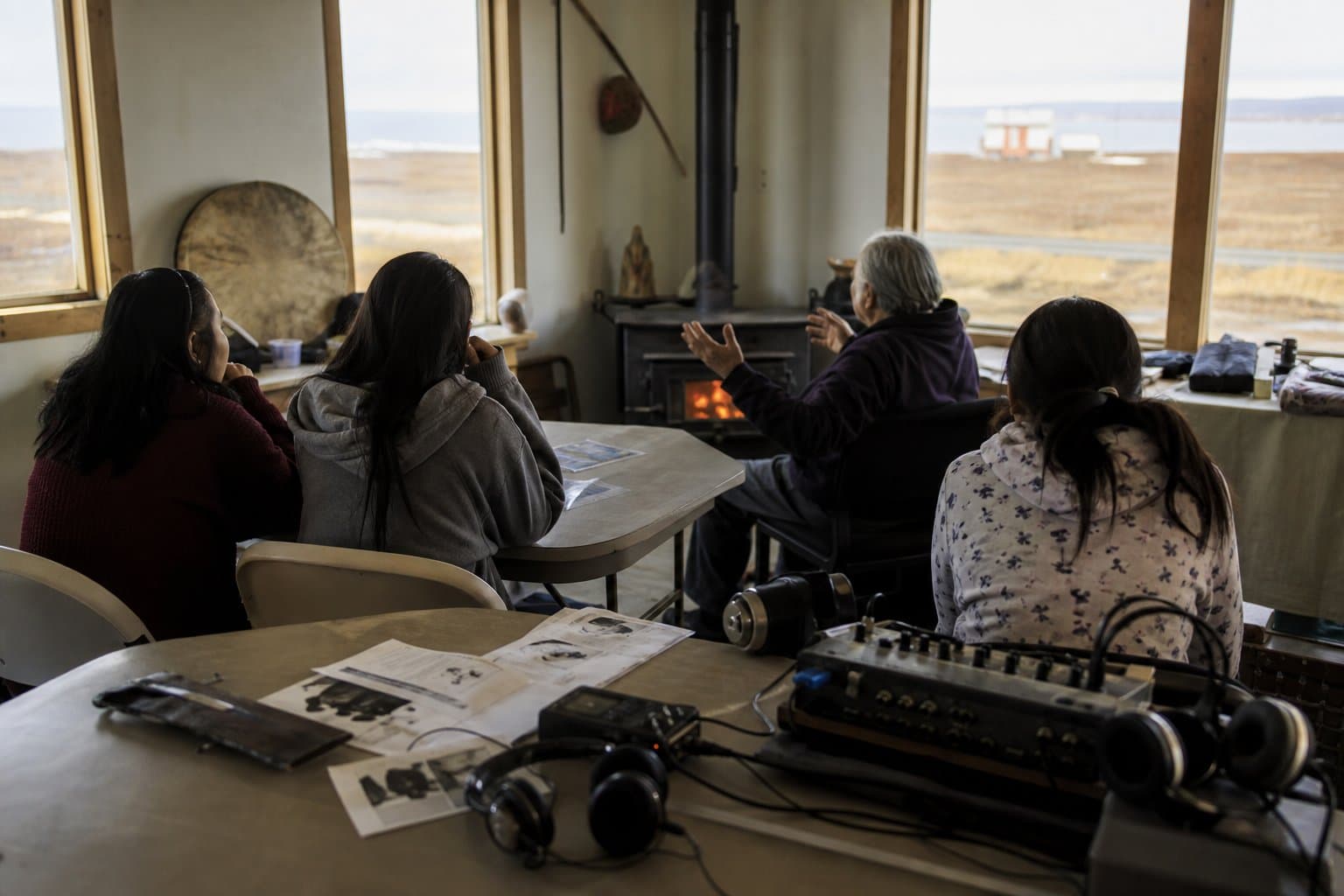
The Native Village of Paimiut will receive $900,000 in federal funding to teach the Hooper Bay dialect of Yup'ik. The tribe says only 72 elders still speak it as a first language.
All 72 are 65 or older. More than 85% of residents in the area the project will serve speak fewer than 15 words in the dialect, and no structured dialect-specific courses exist, according to the tribe's description in the federal award record.
The Administration for Children and Families awarded the grant, which runs 36 months, from Sept. 30, 2026, to Sept. 29, 2029. That is the most a three-year project could receive under the federal Native language preservation program, which generally requires recipients to cover 20% of the project's total cost.
The tribe will hire a lead language instructor and two part-time support speakers. They will build a two-level curriculum, one on foundational vocabulary and one on verbs and conjugation. Elders will validate 20 lesson modules. Staff will record pronunciation archives, produce printed, digital and USB audio materials, and take part in three professional development workshops.
At least 30 learners are expected to enroll through in-person and hybrid classes. Oral assessments before and after are meant to track the goal of raising learners' proficiency by two levels. The tribe also plans to design a teacher credentialing system, credential three local instructors and finalize a sustainability plan.
The program reaches past Hooper Bay to Scammon Bay, Chevak and enrolled tribal members in Anchorage and out of state. The tribe plans to keep the materials for continued use with partners including the Native Village of Hooper Bay and the Lower Yukon School District.
The University of Alaska Fairbanks' Alaska Native Language Center lists Hooper Bay-Chevak as one of five Central Alaskan Yup'ik dialects. In that dialect, the language is called Cup'ik. The center estimates that about 10,000 of roughly 21,000 Yup'ik people speak the language.
State lawmakers have raised the same concern. "We really have a crisis in our Alaska Native languages here across the state in that we are not producing the speakers that we want to," Rep. Andi Story, co-chair of the Alaska State House Education Committee, said at a May 4 committee hearing.
The grant clock starts Wednesday.
Source: Department of Health and Human Services.
AI-assisted. Reviewed by Cale Green. How we use AI
Stay informed. Support what matters.
Free, permanent access to local news you can verify. Subscribe to support Maggie AlaskaNews and go ad-free.
Related Coverage
Federal Medicare outreach grants send $174,880 to 10 Alaska tribal elder programs
Alaska News · 3w ago
Federal grant of $500,000 would replace generators on the mountaintop relays that carry Akhiok's internet
Alaska News · 3w ago
Chugachmiut is hiring a lead for nearly $7 million in Indigenous education work
Alaska News · 1mo ago
Chugachmiut's Sugt'stun language game gets new gameplay footage
Alaska News · 3w ago
A $60,580 project, half of it federal, will update Kodiak's history book
Alaska News · 1mo ago
Comments
Sign in to leave a comment.
No comments yet. Be the first to share your thoughts.