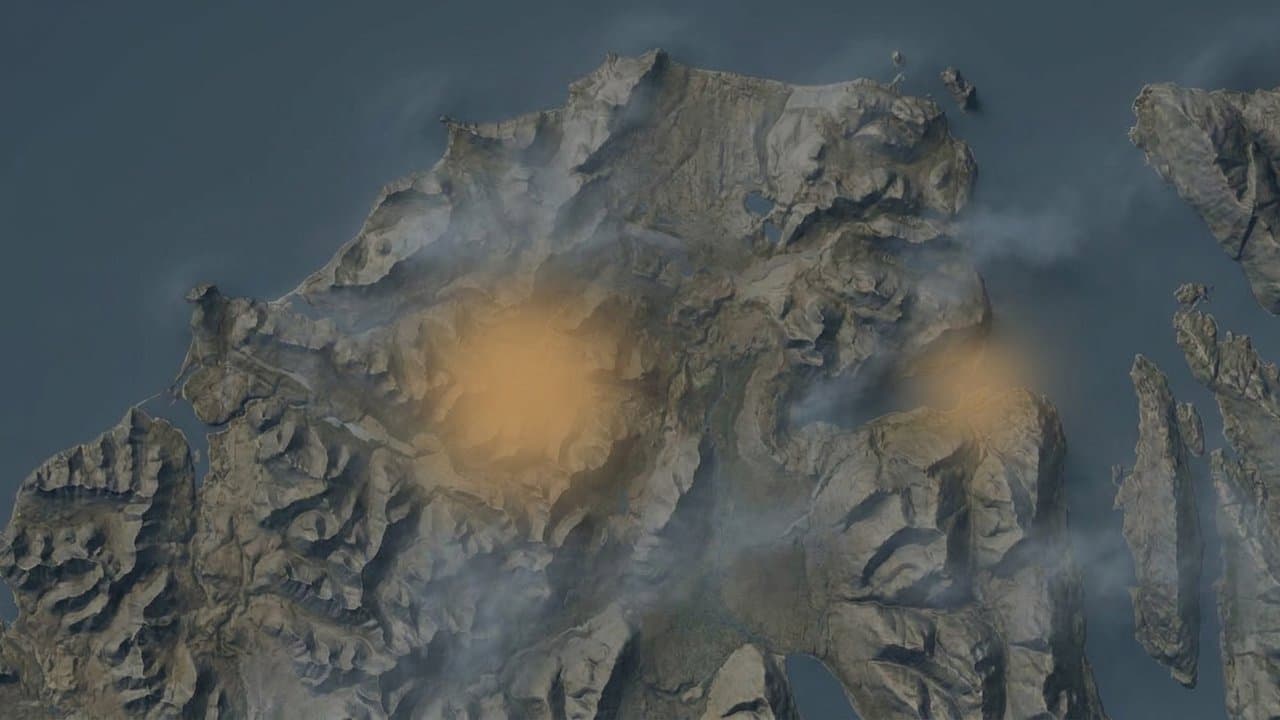
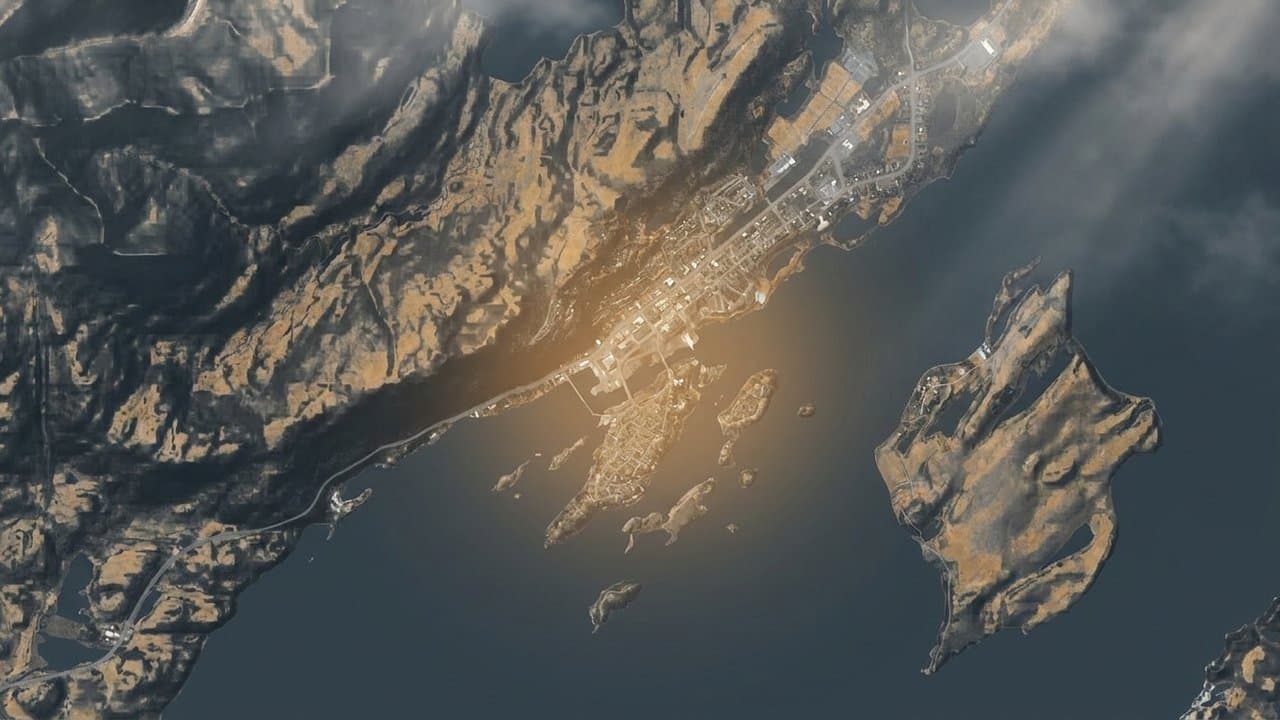
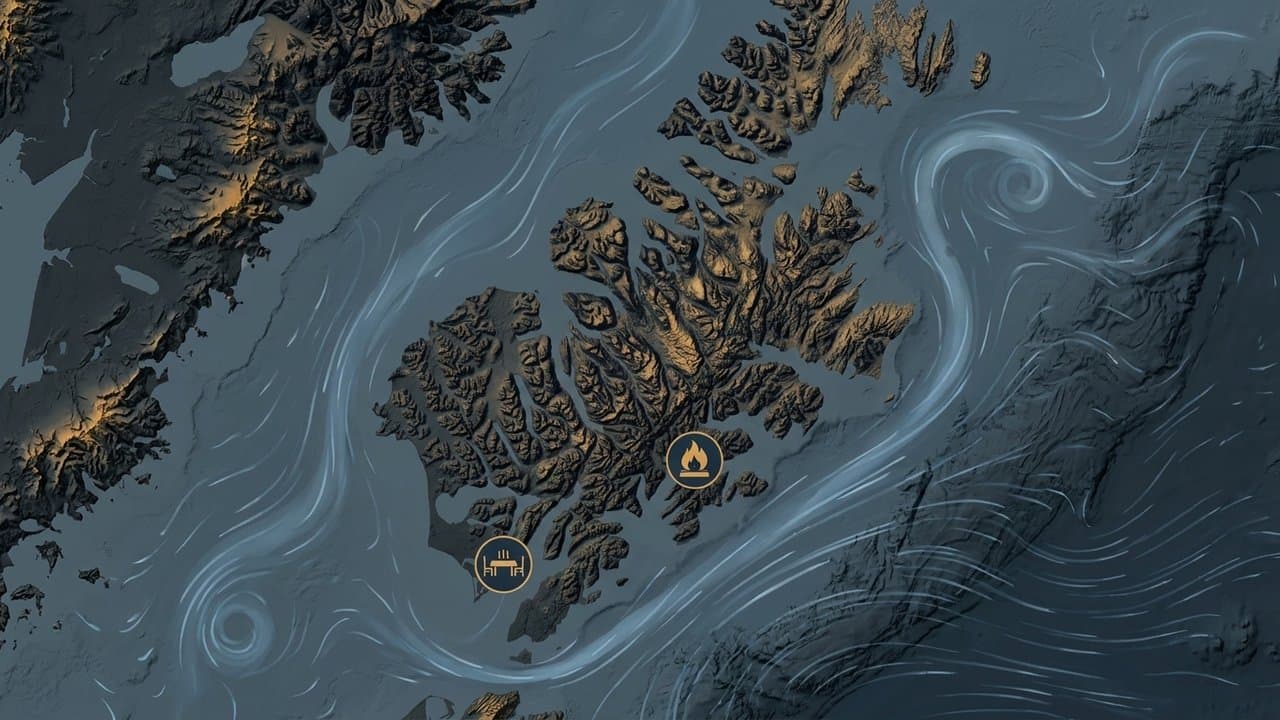
Editorial map (Gemini + Google Maps)
Koniag posts history of its 1980 Karluk and Larsen Bay merger, says it can't be undone
Koniag, the Alaska Native regional corporation for the Kodiak region, has posted an online archive on the 1980 merger that folded the Karluk and Larsen Bay village corporations into it. It says the merger can't be reversed.
Asked whether the merger could be undone today, Koniag's question-and-answer page answers "No." It puts Alaska's statutes of limitation for corporate disputes at about three to four years.
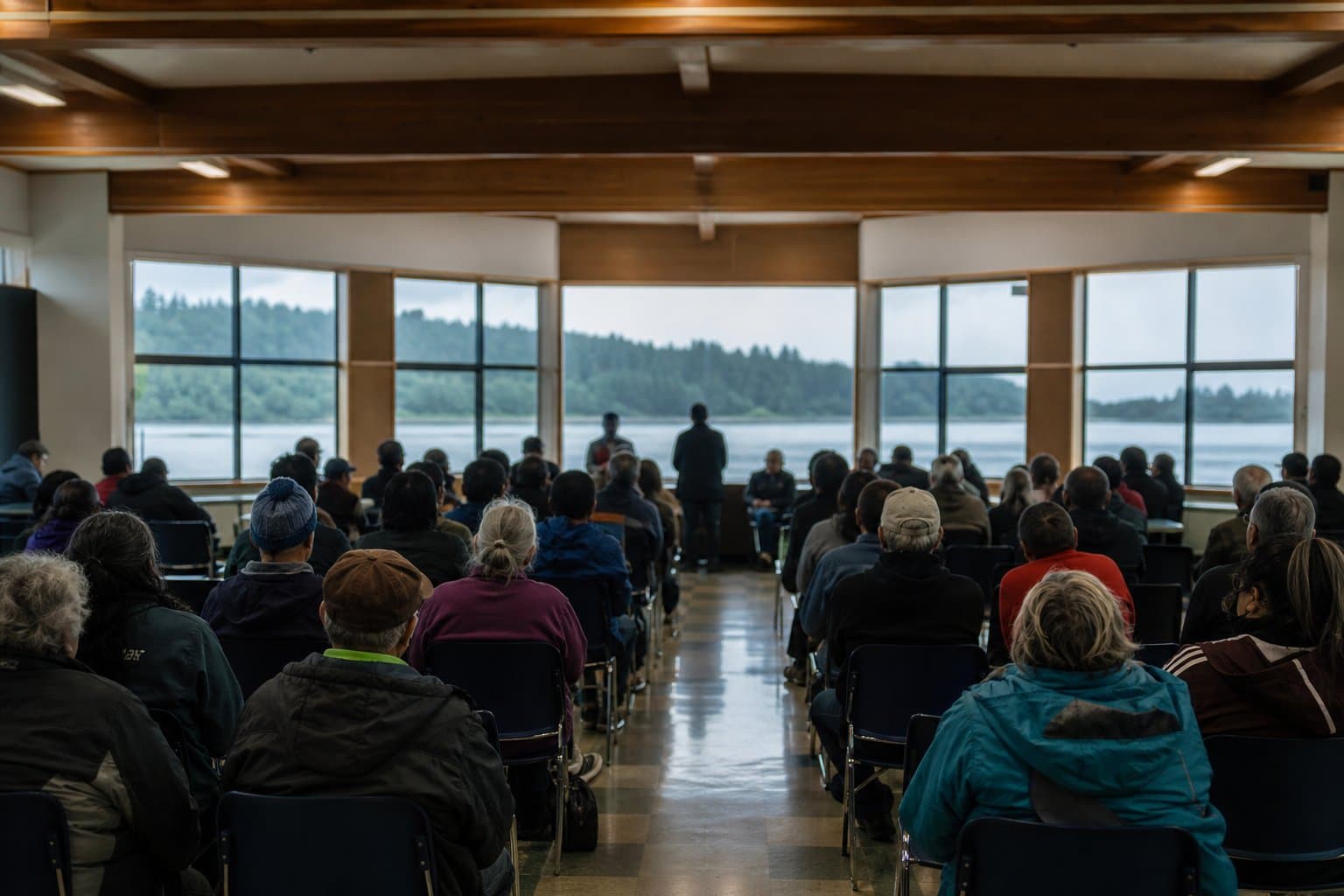
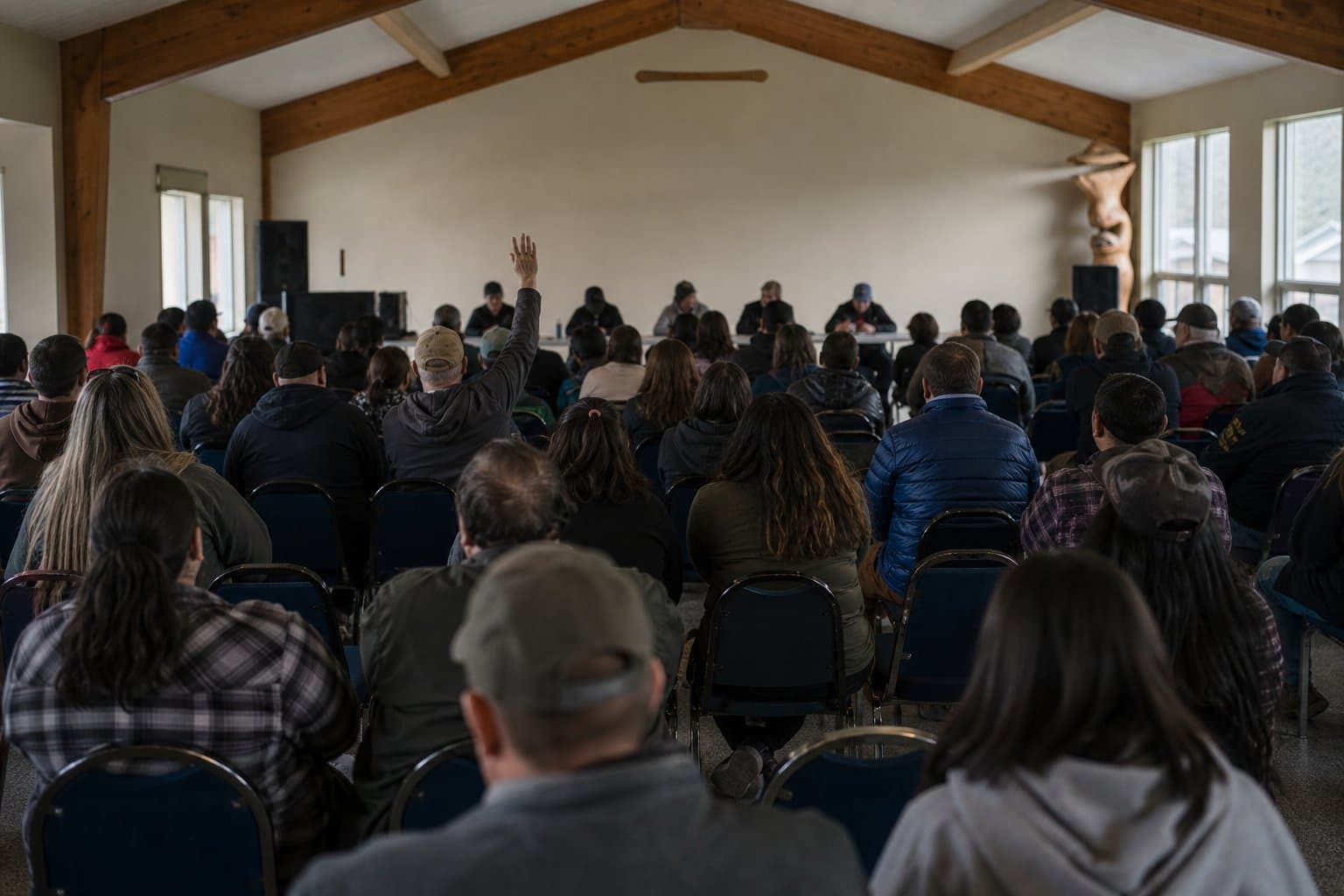
The Merger Resource Center went up in late September and was last edited Oct. 2, the day before Koniag's annual meeting. Koniag says it wants to preserve the history for shareholders and future generations. "Our goal is not to persuade Shareholders to hold a particular view," the site says.
Six village corporations voted in December 1980 to merge into Koniag. Four eventually got out.
A court stopped Afognak's merger the day before the vote. Shareholders of Akhiok-Kaguyak, Old Harbor and Leisnoi sued, and those three corporations were allowed to leave after a court found the proxy statement had misrepresented land values, Koniag's timeline says.
Karluk Native Corporation, with 186 shareholders, and Larsen Bay's Nu-Nachk-Pit, Inc., with 203, stayed merged. The timeline says that's because no shareholder from either village sued.
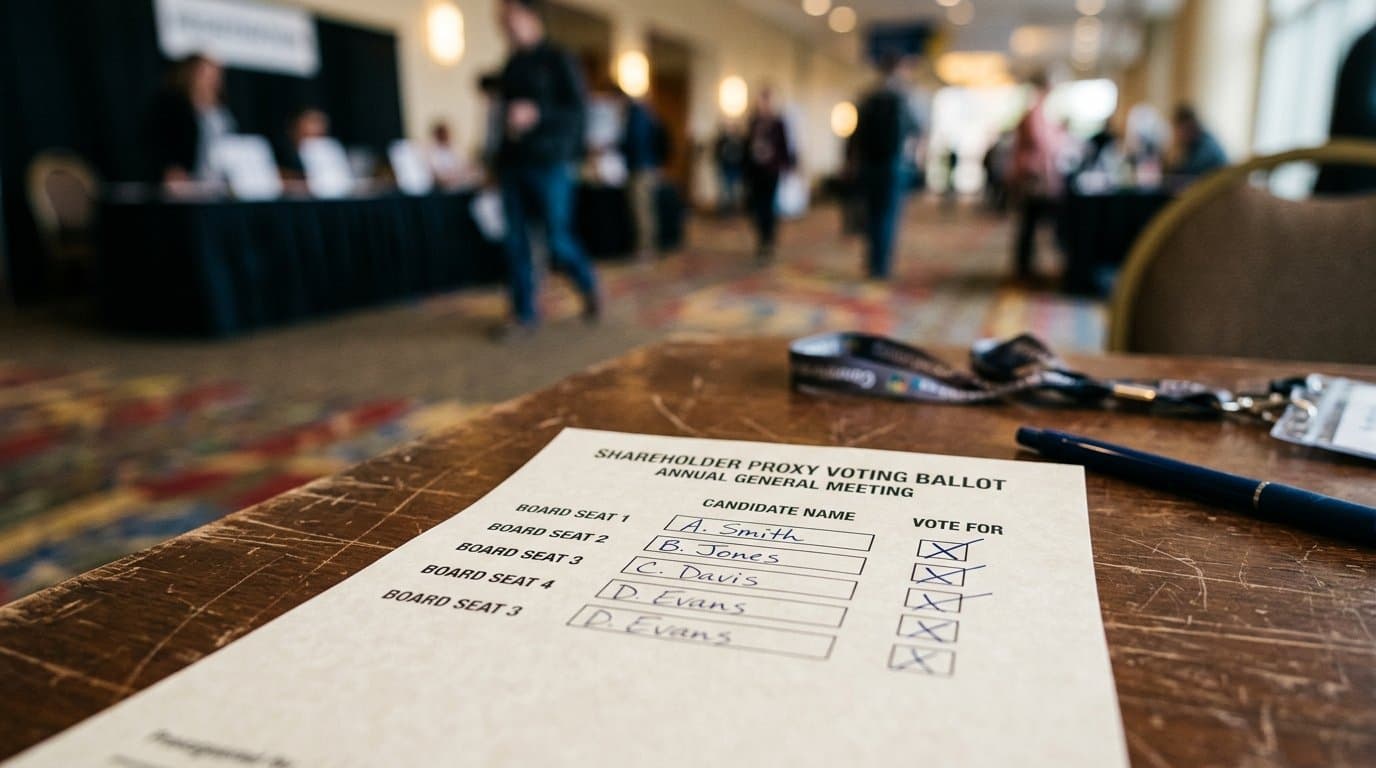
The 1980 proxy statement, which Koniag posted, shows how the vote worked. Anyone who didn't vote counted as a no. No independent opinion was sought on whether the terms were fair, and no attempt was made to value any merging village's land.
Koniag's vote table shows 99% approval in Karluk and 100% in Larsen Bay, but those are percentages of votes cast. Measured against all shares, the yes votes were about 76% in Karluk and 82% in Larsen Bay.
Koniag's account gives its reasons for the merger. It cites a 1972 study that predicted most village corporations would fail. It also says Karluk and Larsen Bay brought about $381,000 in liabilities and related losses.
The litigation ran until 1987 and cost Koniag about $2.5 million, the corporation estimates, or about $10 million today.
Each former Karluk and Larsen Bay shareholder received 100 Class B Koniag shares and $2,100. Each village's tribe received 10 acres per enrollee.
Larsen Bay's tribe gave its land to individuals. Karluk's 1,860 acres stayed with the Karluk IRA Council, which still holds them. Koniag says it has no say over that land. Its 1994 newsletter noted that only Karluk residents can vote in council elections, so enrollees living elsewhere can't vote for the council that holds the land.
In 1998, Koniag sold 59,700 acres of refuge land that came to it through the merger to the U.S. Fish and Wildlife Service for $28 million, and distributed all of it to shareholders, the question-and-answer page says.
The archive includes no statements from former Karluk or Larsen Bay shareholders, the Karluk IRA Council or Larsen Bay's tribe.
Source: Koniag, Koniag posts its account of the 1980 Karluk and Larsen Bay merger, and says it cannot be reversed.
Made by our human newsroom with AI. Reviewed by Cale Green. How humans and AI work here · Grow with our newsroom
Stay informed. Support what matters.
Free local news you can verify. Support Walter AlaskaNews and go ad-free.




Comments
Sign in to leave a comment.
No comments yet. Be the first to share your thoughts.