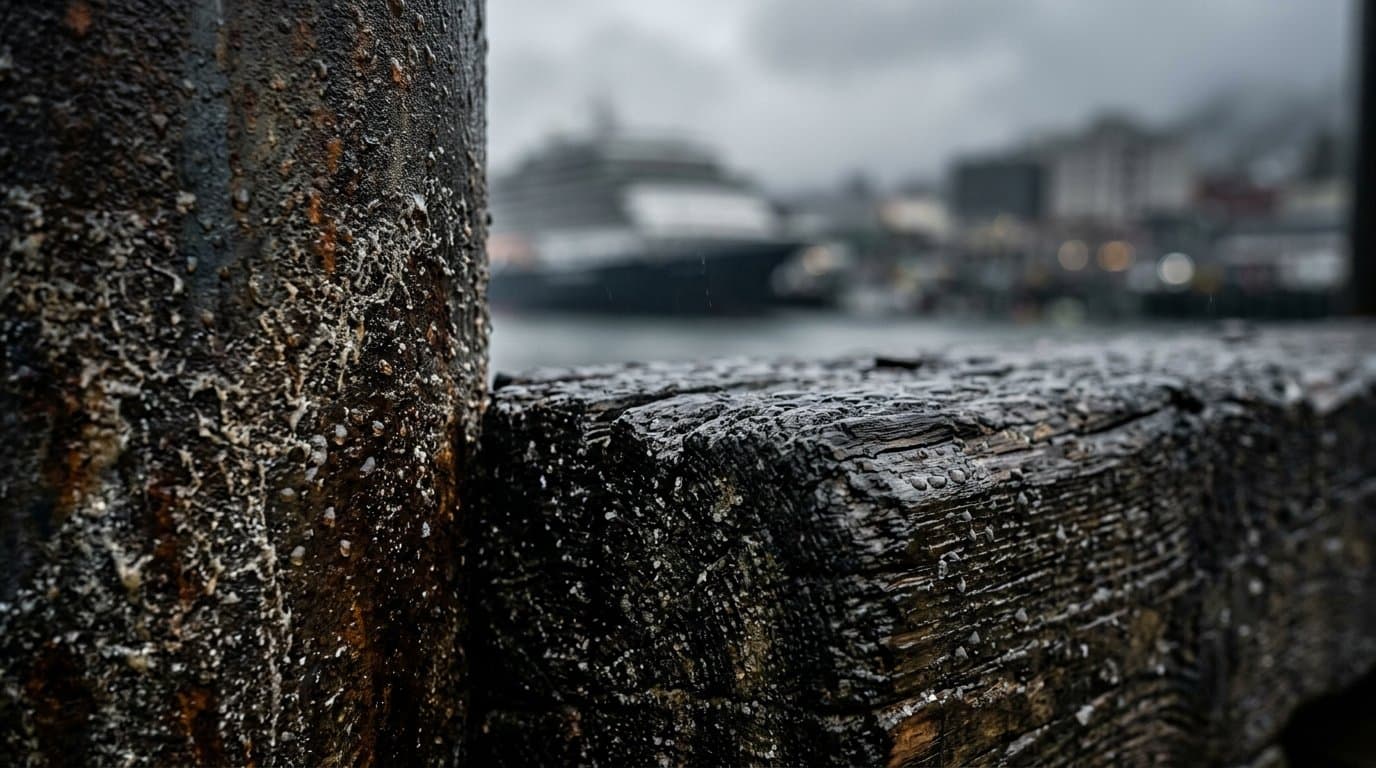
AI image
Juneau weighs borrowing up to $24.7 million for its Seawalk, repaid by cruise fees
The Juneau Assembly holds a public hearing Monday on borrowing up to $24.7 million to extend and rebuild the downtown Seawalk. The debt would be repaid from a fee cruise passengers pay, not from local taxes.
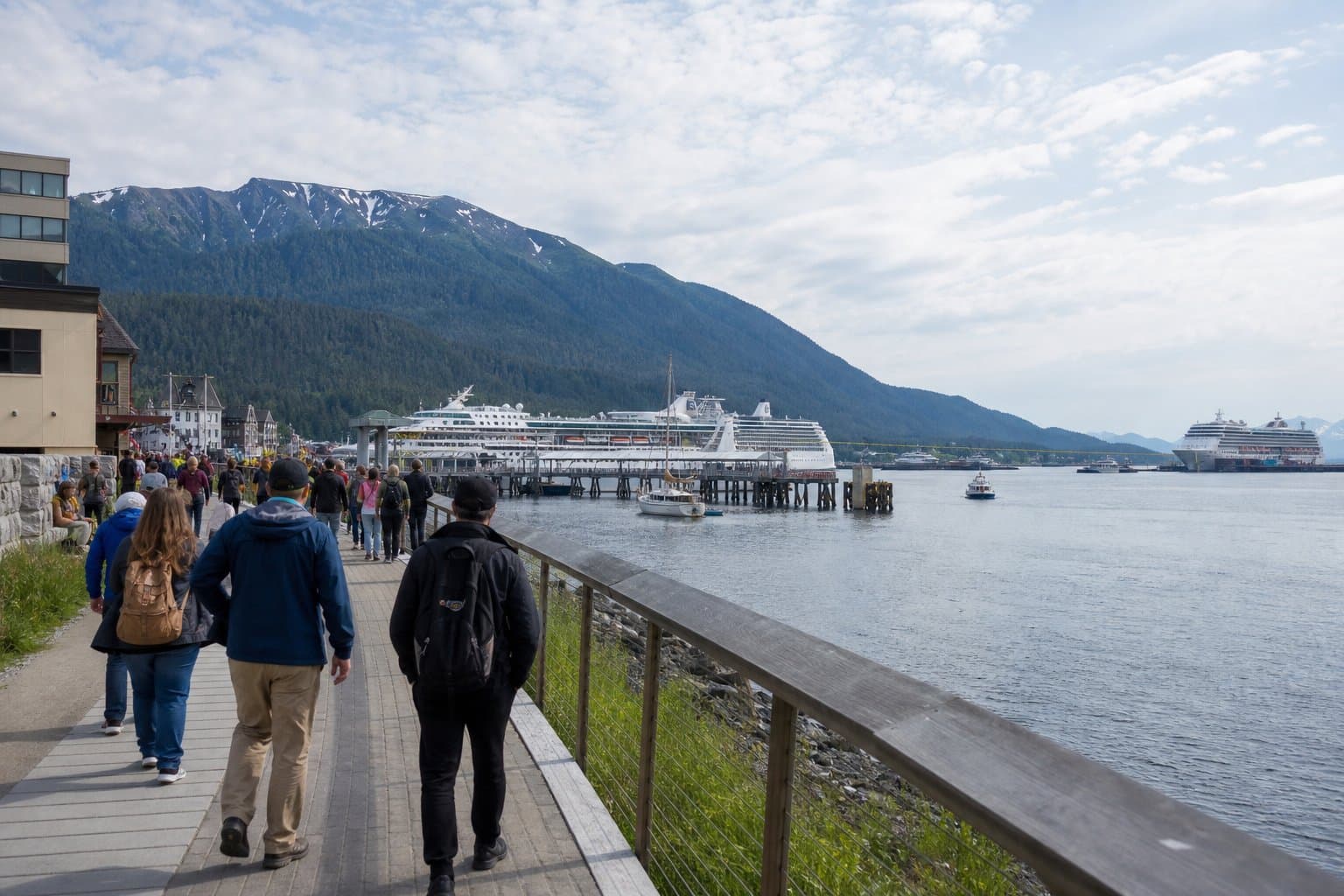
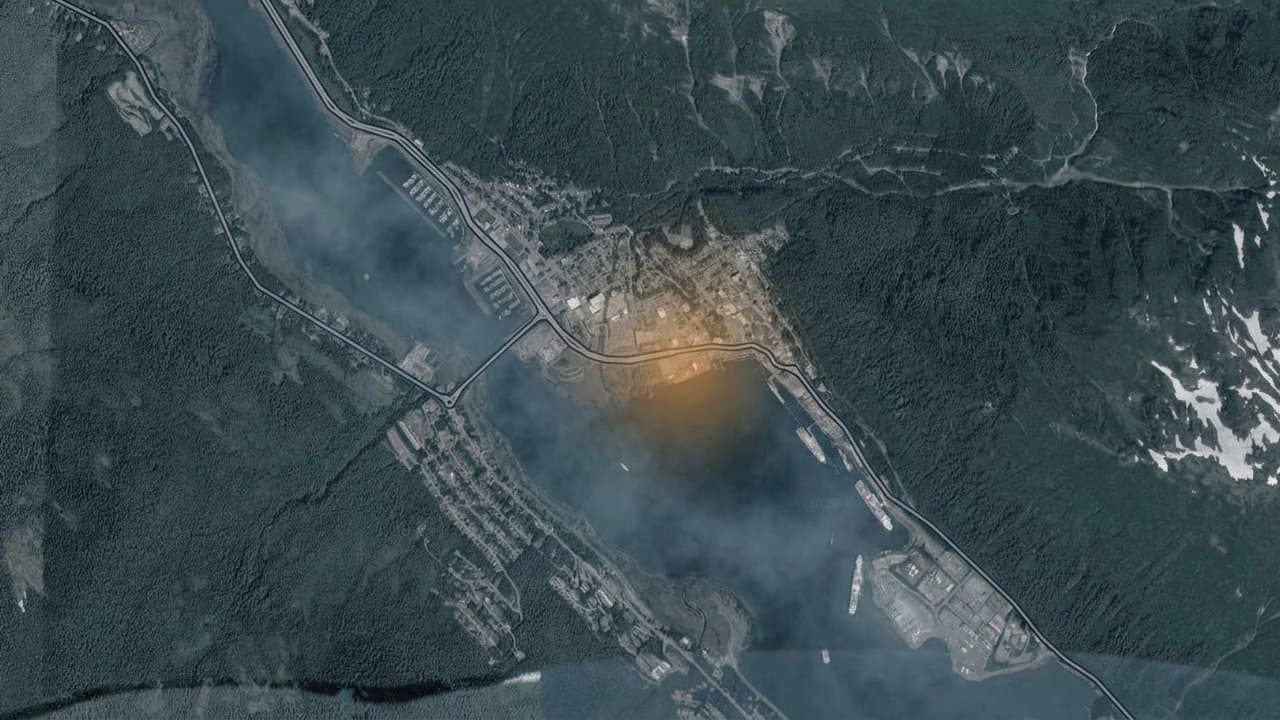
The Seawalk is the boardwalk along downtown Juneau's waterfront, which the city has built a stretch at a time since 2004. The next piece would run from Franklin Dock to the AJ Dock, the cruise berth farthest from town. The city says it would give passengers who come ashore there safe, continuous walking access to downtown.
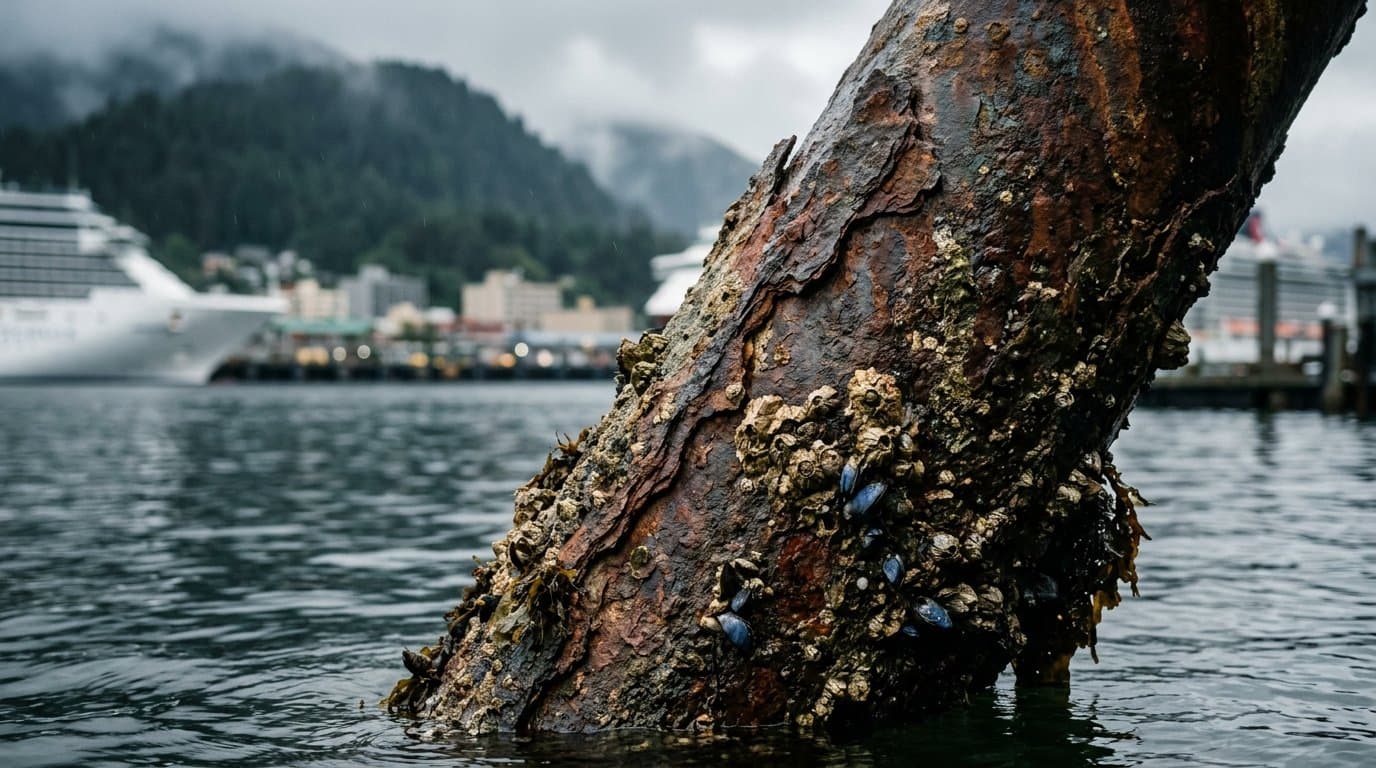
The work would add a walkway covering about an acre over the water and a new mooring dolphin, a freestanding structure cruise ships tie up to, according to a state water quality notice. The walkway, the dolphin and its catwalks would stand on 238 new steel piles. Construction is planned from April 2027 to April 2029.
The whole project could cost up to $50.4 million, according to the ordinance. State grants, taxes and other cruise-related money are expected to cover what the bonds don't.
The bonds would be repaid from Juneau's $3-per-passenger port development fee, which cruise passengers pay on top of a $5 marine passenger fee. Juneau handled roughly 1.7 million cruise passengers in 2025. The city expects to pay off the bonds within 20 years at an average of about $1.2 million a year, assuming 5% interest. According to the city's summary, the bonds pledge no borough tax revenue and wouldn't affect the property tax rate the city levies for debt.
Because they're revenue bonds, backed by fees rather than taxes, the city charter lets the Assembly approve them without a public vote.
In March, city staff recommended putting as much passenger fee money as possible toward the Seawalk this fiscal year, listing $9 million for the extension; they said that would reduce the debt payments needed. In September, an Assembly committee directed staff to put an unrequested $6 million state grant toward the Seawalk.
The city would sell the bonds to the Alaska Municipal Bond Bank, a state public corporation that lends to local governments. It would promise to keep port fees high enough to bring in at least 120% of each year's debt payments. The new bonds would share first claim on the fee money with about $12.3 million in older port bonds.
The National Marine Fisheries Service has proposed a permit covering the effects of pile-driving noise on marine mammals.
If the Assembly passes the ordinance, it takes effect 30 days later. The final interest rate, payment schedule and loan amount would come back to the Assembly for approval.
What did you make of this story? (no account needed)
Made by our human newsroom with AI. Reviewed by Cale Green. How humans and AI work here · Grow with our newsroom ·
Keep Alaska News free for everyone.
No paywall, ever. Members pay so everyone can read the meetings and records Alaska News covers.
Get Alaska News in your inbox
Create your free account and get the day’s top stories around 6 each morning, in a few minutes’ read.
Top stories, around 6 each morning.
Stories on what you follow, on Sundays.
Source: City and Borough of Juneau.






Comments
Sign in to leave a comment.
No comments yet. Be the first to share your thoughts.