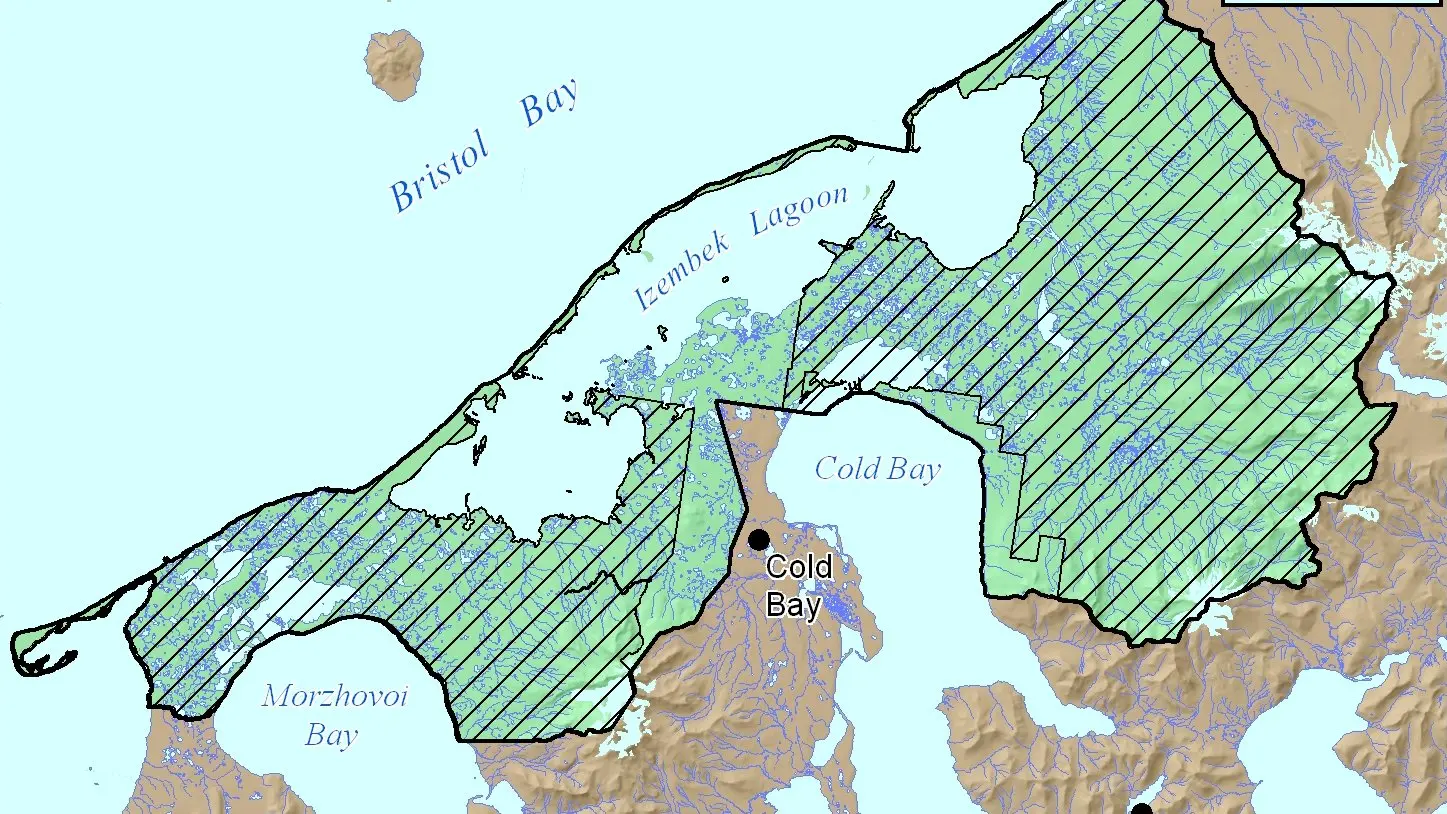
Photo: U.S. Fish and Wildlife Service via Wikimedia Commons · Photo source · Public domain
Judge issues order in King Cove road permit fight, with land swap ruling on appeal
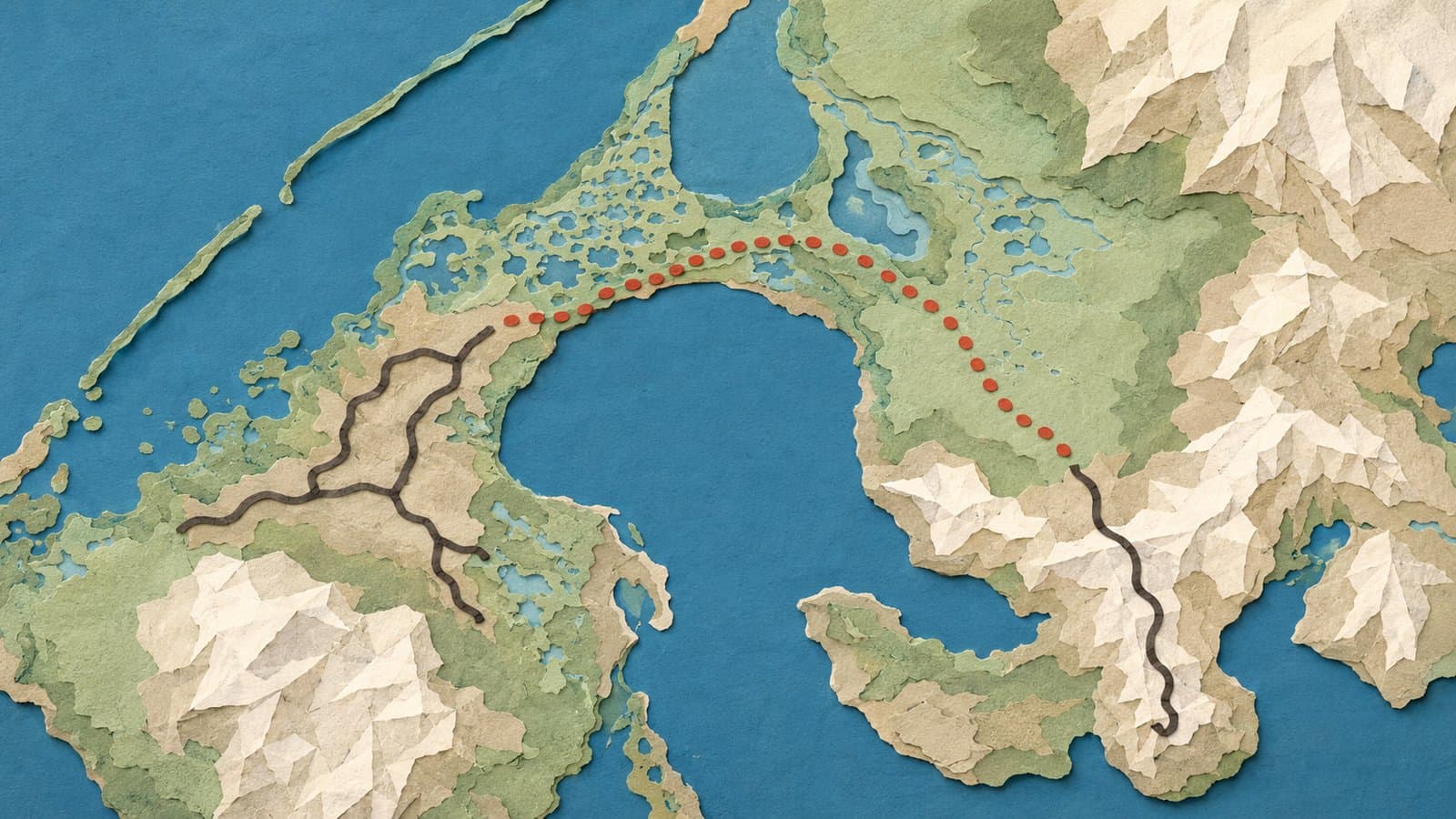
A federal judge in Anchorage issued an order Friday in the lawsuits over the permit for the King Cove road, the proposed 18.9-mile gravel road King Cove has sought for decades to reach the all-weather airport in Cold Bay.
Court records list it as an order on a motion for miscellaneous relief, without saying which side asked or what the judge decided. The order itself is on PACER, the federal courts' paid records system. Friday was also U.S. District Judge Aaron Christian Peterson's deadline for filing the records behind the Army Corps of Engineers' Clean Water Act permit for the road.
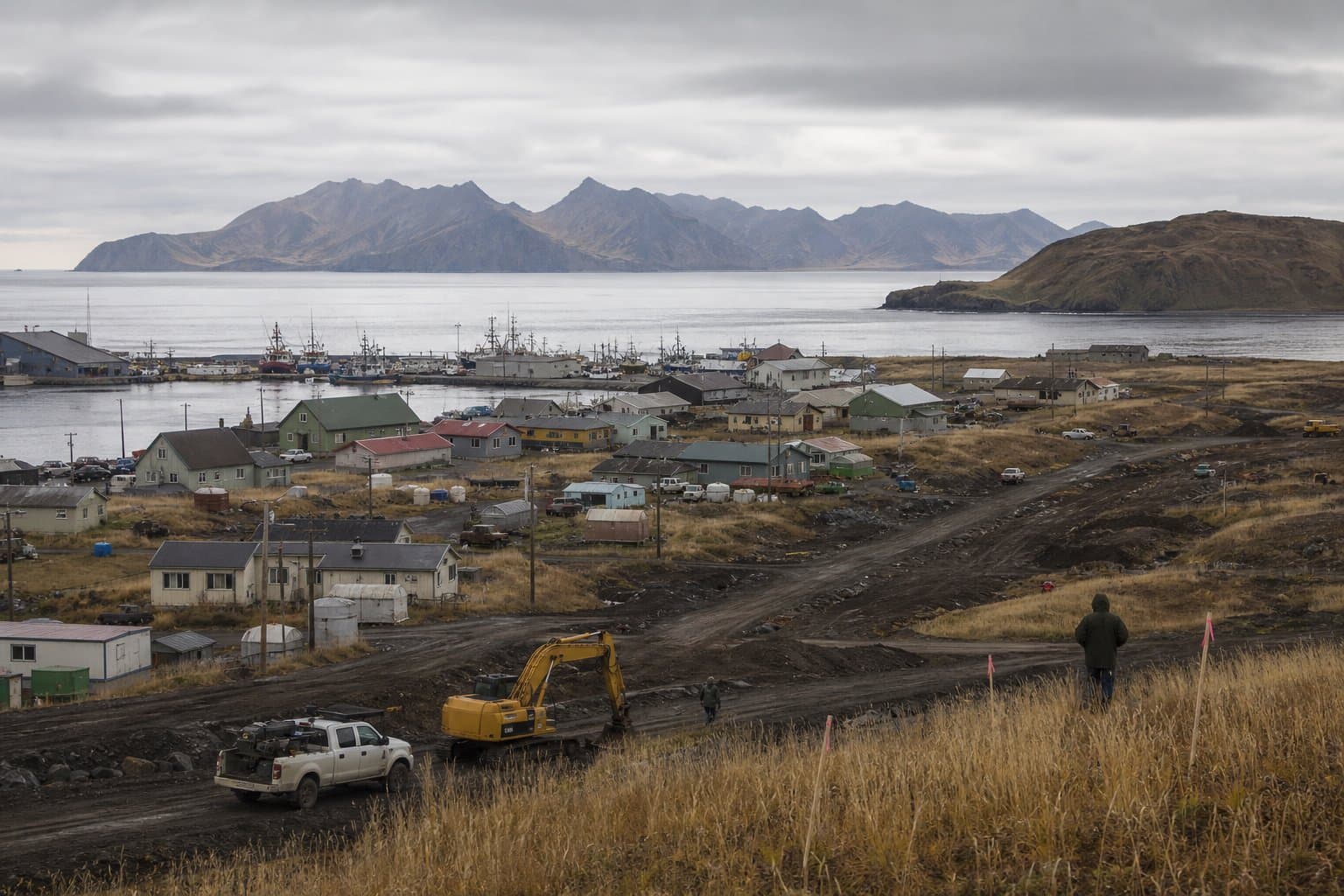
King Cove and Cold Bay sit about 18 miles apart near the western end of the Alaska Peninsula. Both can be reached only by sea or air, and only Cold Bay has an all-weather airport.
"Our local airport is inaccessible due to weather conditions for roughly 120 days each year, making dependable travel for emergencies, medical care, and other essential needs difficult or impossible," King Cove Mayor Warren Wilson said in a state transportation department release in September.
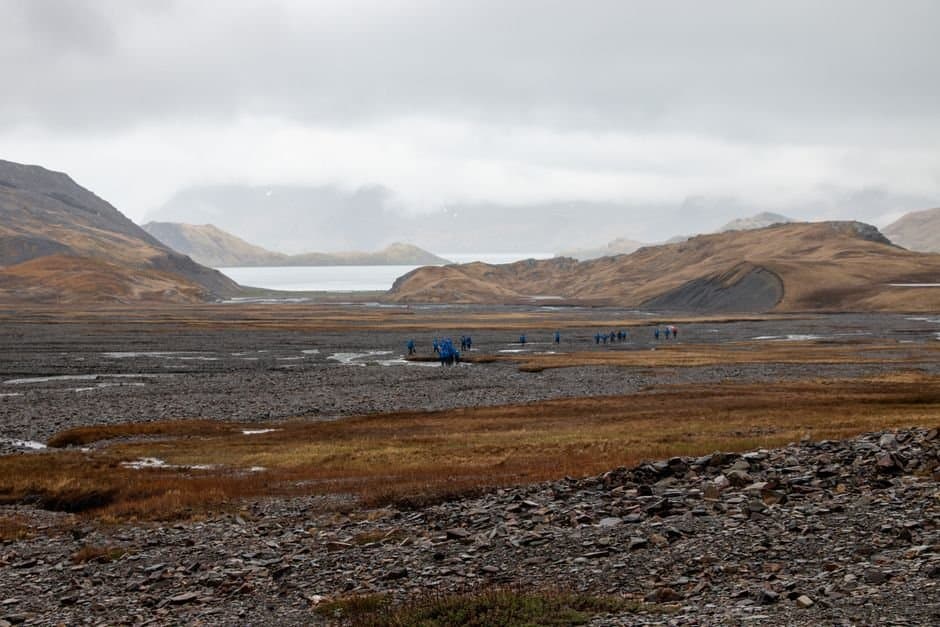
Much of the land between the two towns is in the Izembek National Wildlife Refuge, most of which is designated wilderness. Izembek Lagoon holds one of the world's largest eelgrass beds, a feeding area for nearly the entire world population of Pacific black brant, according to court records.
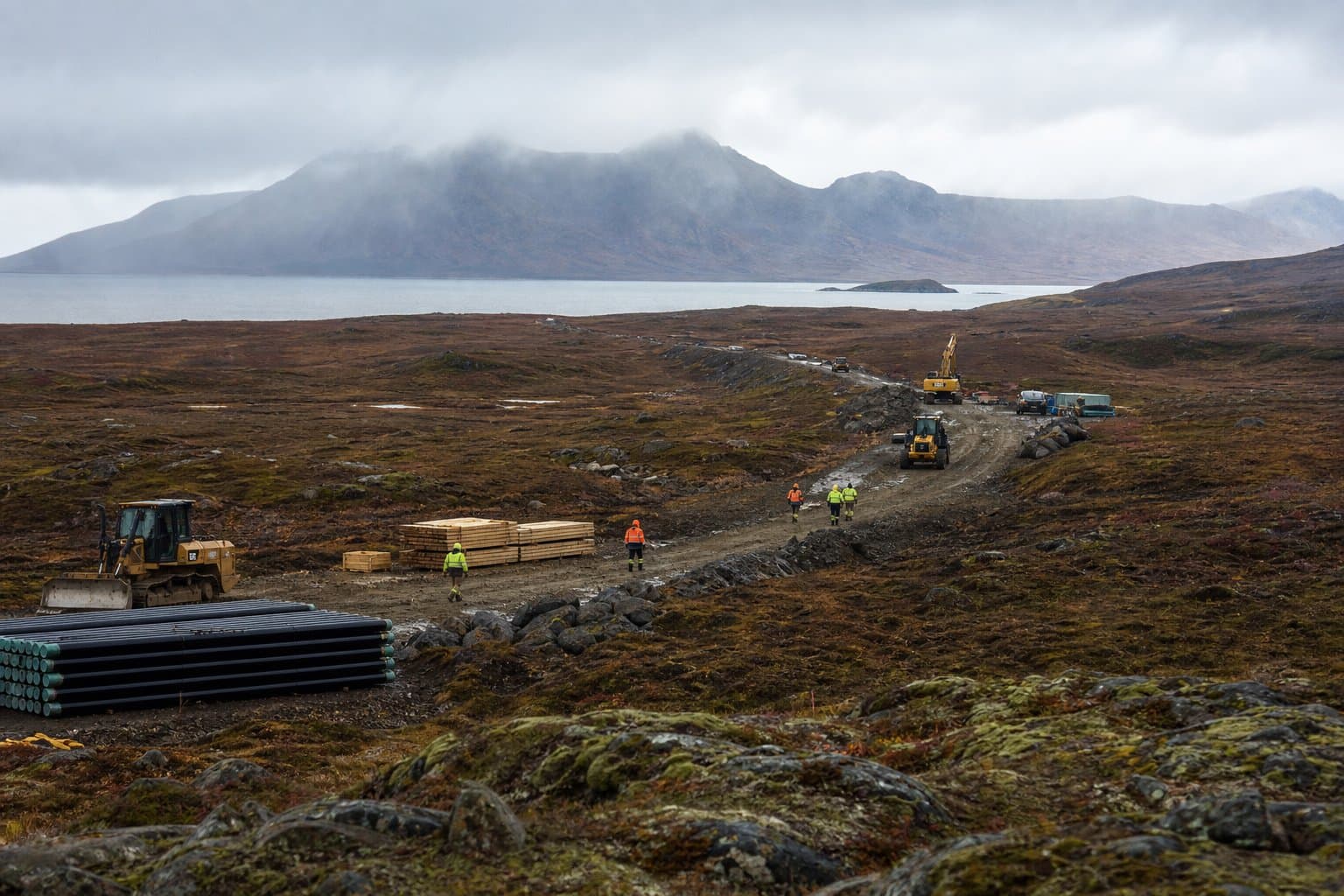
In September, the state began building the first 2.8 miles, on land King Cove Corporation owns. Local hiring has been a priority, the department said: more than 20 King Cove residents have completed safety training, and five have earned commercial driver's licenses.
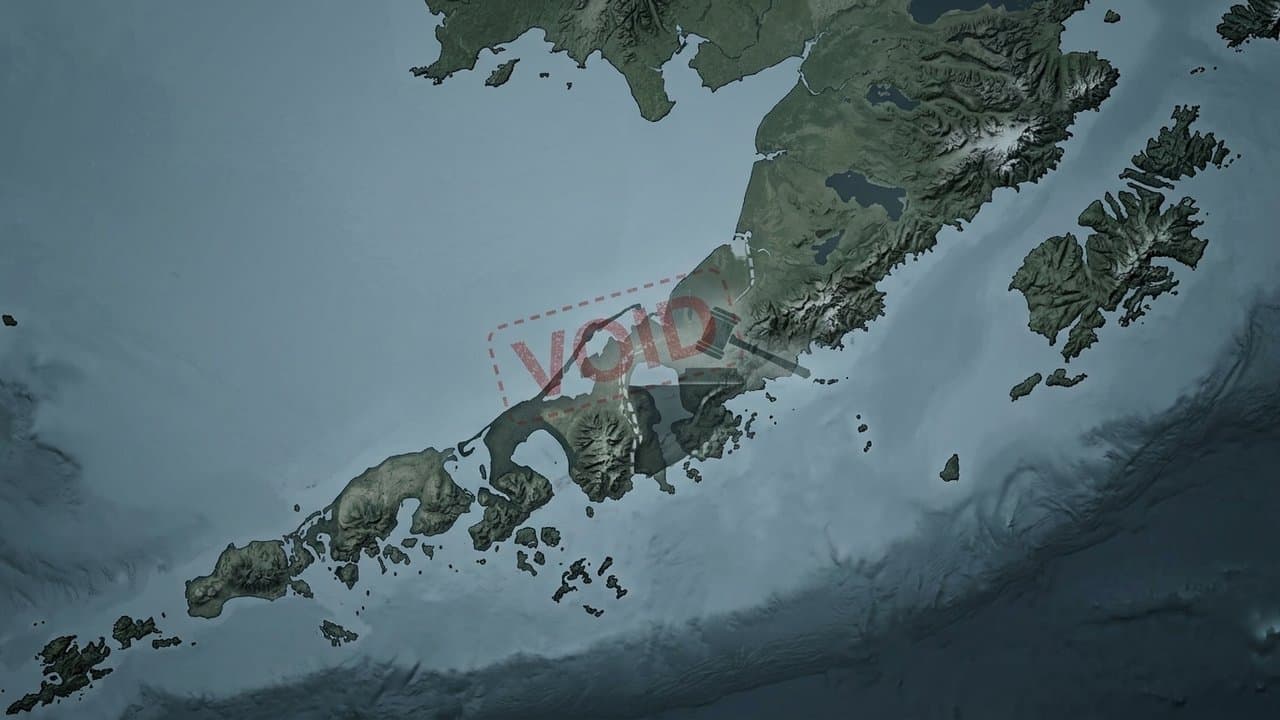
The full road depended on a land swap, and in August a federal judge threw out Interior's approval of it. The Corps suspended its permit for the road Aug. 26; the state had asked for the suspension.
In October 2025, the Interior Department traded King Cove Corporation about 490 acres inside the refuge, including about 336 acres of designated wilderness, for about 1,739 acres the corporation owned near Kinzarof Lagoon. The corporation also gave up its rights to select about 5,430 acres inside the refuge, and the government paid it $48,050 to even out the values. The trade followed a January 2025 executive order from President Donald Trump directing Interior to expedite development of a road corridor between King Cove and Cold Bay.
U.S. District Judge Sharon Gleason vacated Interior's approval of the swap. She ruled that Interior violated the part of federal law governing transportation routes through Alaska's conservation lands, the Endangered Species Act and the law that governs the refuge system. She ruled for the defendants on other claims, including those over subsistence and environmental review. Her ruling is on appeal at the 9th U.S. Circuit Court of Appeals.
A federal judge declined to block work on the 2.8-mile segment, which sits on corporation land rather than land from the swap. The 9th Circuit denied a request to halt that work in September, according to the department, and the state says this year's work on the segment doesn't need the suspended permit.
Two lawsuits over the permit are now combined before Peterson. Five conservation groups filed the first: Friends of Alaska National Wildlife Refuges, Alaska Wilderness League, National Wildlife Refuge Association, Sierra Club and Wilderness Watch. They argue the Corps broke federal clean water and environmental review laws in issuing the permit, that the Wilderness Act bars a road through Izembek's wilderness and that only Congress can approve one.
The second is led by the Native Village of Hooper Bay. Hooper Bay is in the Yukon-Kuskokwim Delta, nearly 500 miles from the refuge. In the land-swap case, Hooper Bay and two other delta villages argued that more access to Izembek Lagoon would "lead to an increase in hunting and disturbance" of black brant, emperor geese and cackling geese.
King Cove Corporation, the City of King Cove and the State of Alaska joined the case to defend the permit. The department said the road also has the support of the King Cove Tribe and the Aleutians East Borough, and that it is being built in partnership with King Cove Corporation and The Aleut Corporation, which both own land along the route.
Gleason called the land-swap cases "the latest in a series of lawsuits" over efforts to build the road.
What did you make of this story? (no account needed)
Made by our human newsroom with AI. Reviewed by Cale Green. How humans and AI work here · Grow with our newsroom ·
Keep Alaska News free for everyone.
No paywall, ever. Members pay so everyone can read the meetings and records Alaska News covers.
Get Alaska News in your inbox
Create your free account and get the day’s top stories around 6 each morning, in a few minutes’ read.
Top stories, around 6 each morning.
Stories on what you follow, on Sundays.
Source: U.S. District Court for the District of Alaska, U.S. District Court for the District of Alaska: Friends of Alaska National Wildlife Refuges et al v. U.S. Army Corps Of Engineers et al (3:26-cv-00272): Order on Motion for Miscellaneous Relief.



Comments
Sign in to leave a comment.
No comments yet. Be the first to share your thoughts.