AI image
GVEA says it cannot exempt medical-device households from rolling outages
Golden Valley Electric Association cannot exclude households that depend on electrically powered medical devices from controlled outages, the Interior cooperative told members Monday, repeating guidance it published Nov. 6. If they become necessary, those outages are expected to last about 30 to 60 minutes, though GVEA tells members to prepare for longer, and would cut service to every member in an affected section of the grid.
GVEA tied the limit to how the outages work. Controlled outages shut off power to specific portions of the electric system, so all members served by those areas lose service, the cooperative said. A Level 3 alert activates GVEA's rotating-outage program, which cycles 30- to 60-minute outages through zones, according to GVEA's description of its Energy Emergency Alerts. State regulators approved that rolling-outage plan in October.
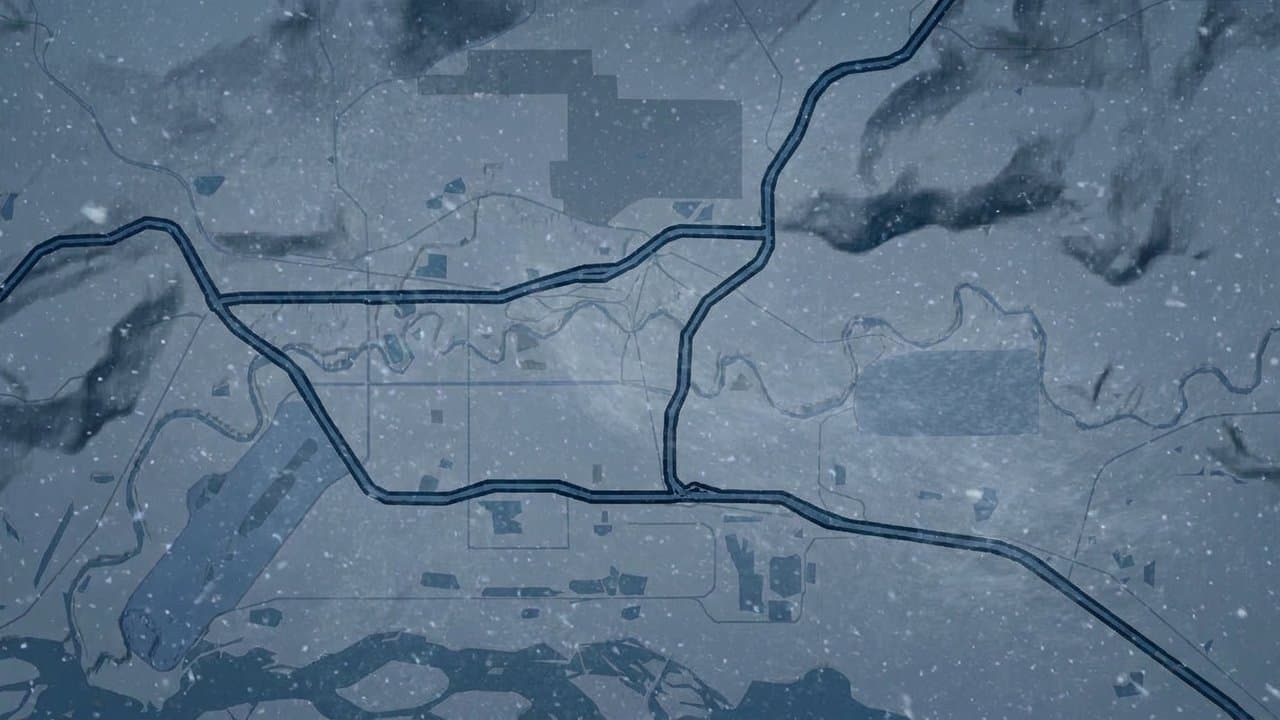
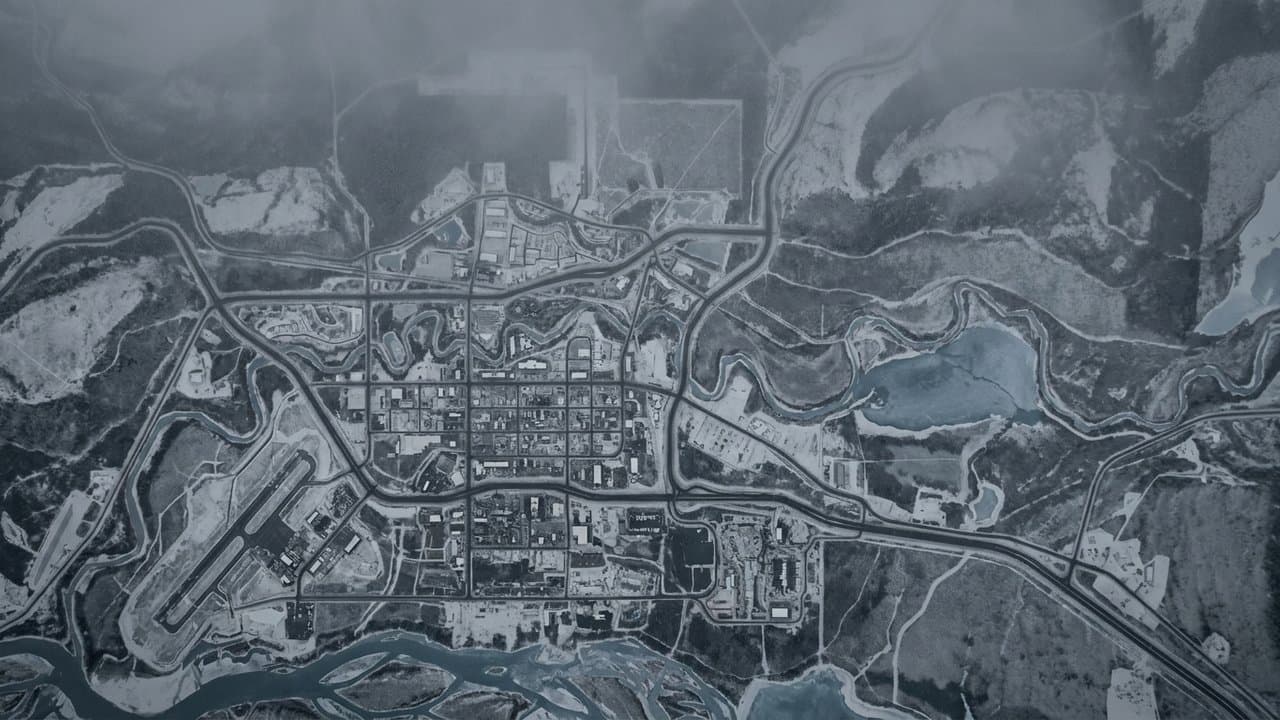
Some homes fall outside the rotation. GVEA's page on the program says outages would rotate through Zones 1 through 13. Zone 14 is excluded. It covers the feeders, or distribution lines, that supply Fairbanks Memorial Hospital, police, fire and emergency medical services, the airport, the Aurora Energy power plant and water treatment. Members on those same feeders also stay powered "because controlled load shedding operates at the feeder level rather than at individual meters."
GVEA encouraged all members, including those who rely on medical devices, to prepare for short, rolling outages the same way they would prepare for a weather-related outage. The cooperative said its alerts are meant to give advance notice when possible, but its Nov. 6 release says such households should keep an emergency plan that does not depend on receiving advance notice. Members who depend on medical equipment may qualify for payment extensions if they face disconnection for unpaid balances, the release says.
GVEA directed clinical questions elsewhere: "Medical professionals and emergency services should guide decisions about clinical risks, equipment alternatives, and when relocation is necessary."
GVEA issued its first Energy Emergency Alert Oct. 12, when two generating units were down for scheduled maintenance and a third had an unexpected mechanical problem. October alerts reached Level 1 and Level 2. At the Oct. 27 board meeting, President and CEO Travis Million reported that email alerts had a 67% open rate, but conservation requests produced minimal measurable change in system load, according to GVEA's meeting recap. Directors discussed better conservation guidance, seeking emergency power reserves from Southcentral utilities and managing large loads during higher alert levels.
GVEA's alert page has shown normal operations since Oct. 24.
What did you make of this story? (no account needed)
Made by our human newsroom with AI. How humans and AI work here · Grow with our newsroom ·
Get Alaska News in your inbox
Create your free account and get the day’s top stories around 6 each morning, in a few minutes’ read.
Top stories, around 6 each morning.
Stories on what you follow, on Sundays.
Source: Golden Valley Electric Association.






Comments
Sign in to leave a comment.
No comments yet. Be the first to share your thoughts.