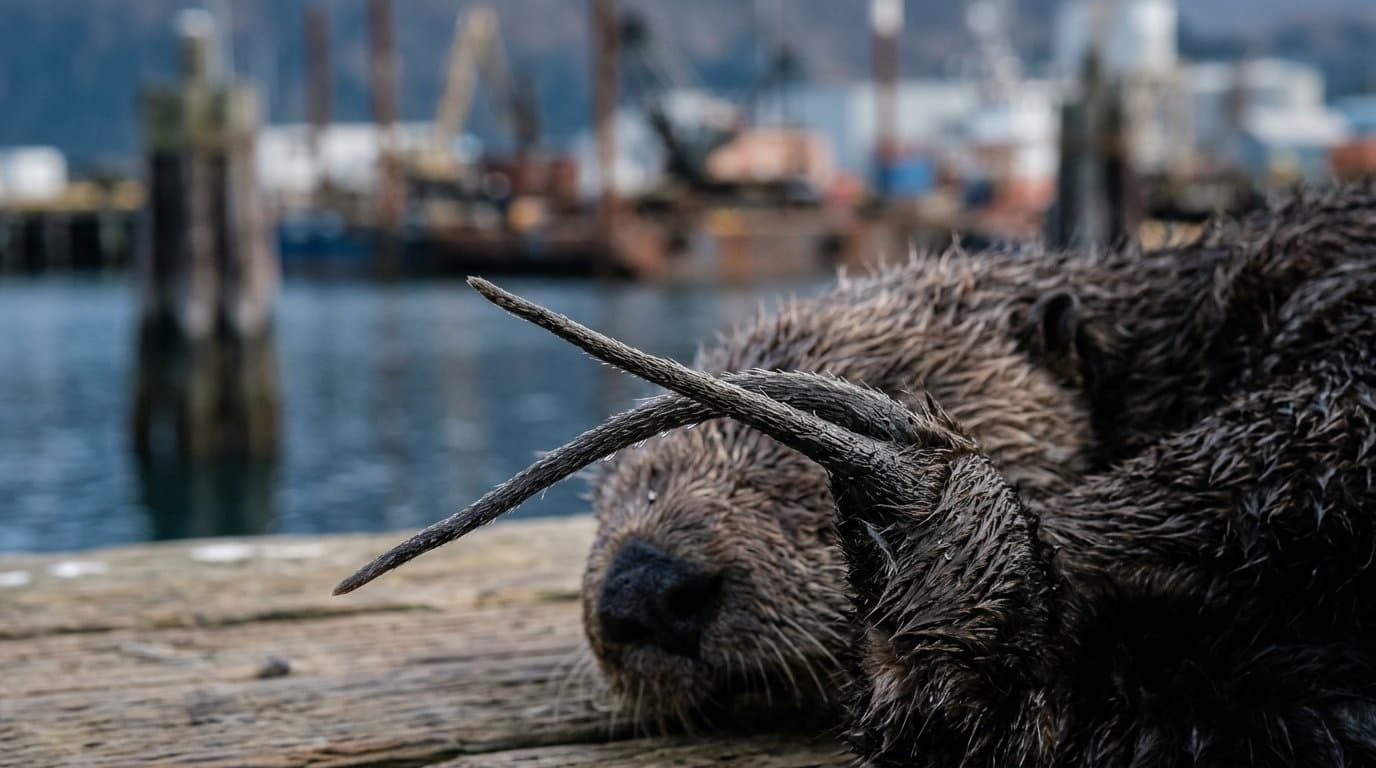
AI image
Federal agency proposes letting Seward freight dock work affect up to 347 sea otters
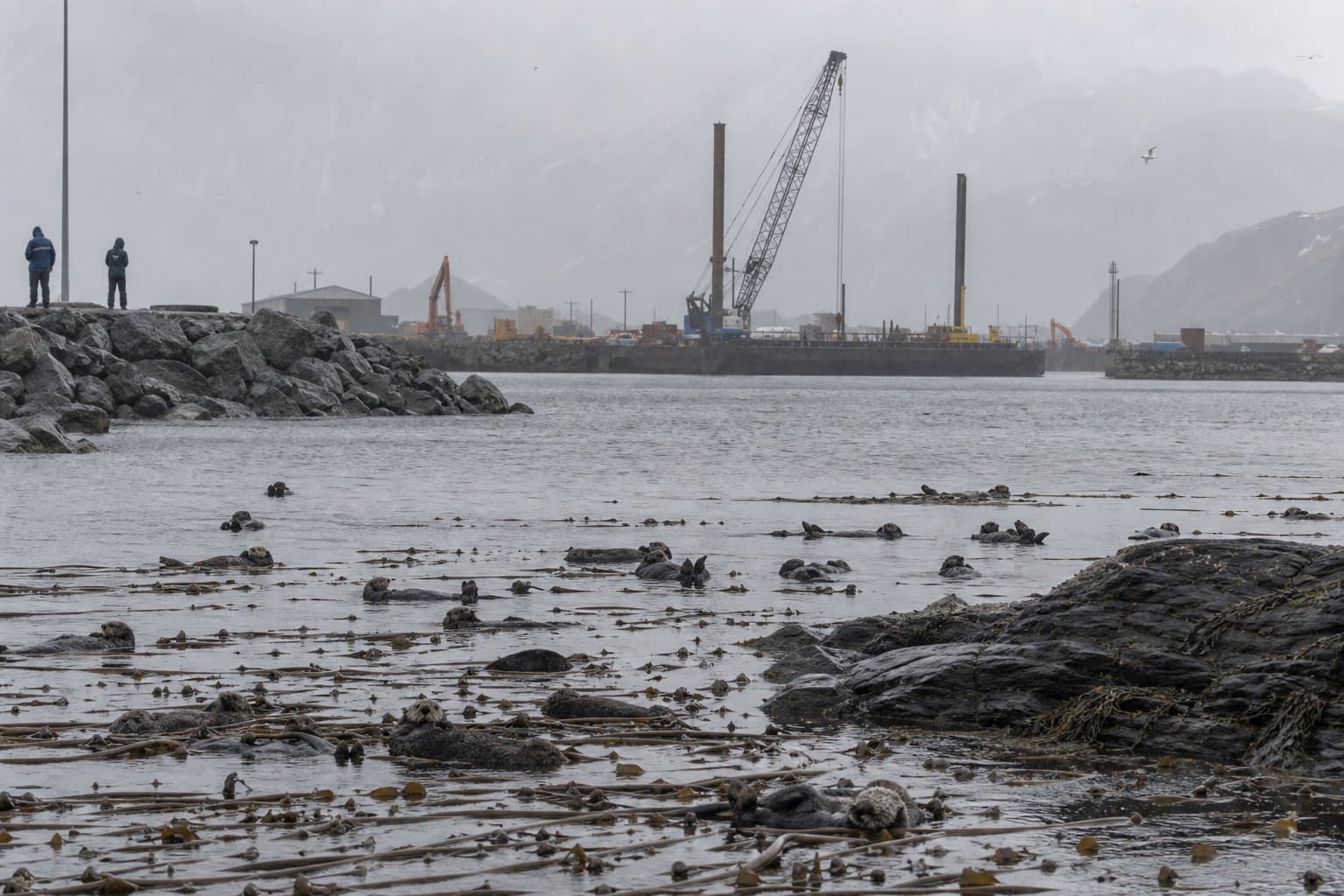
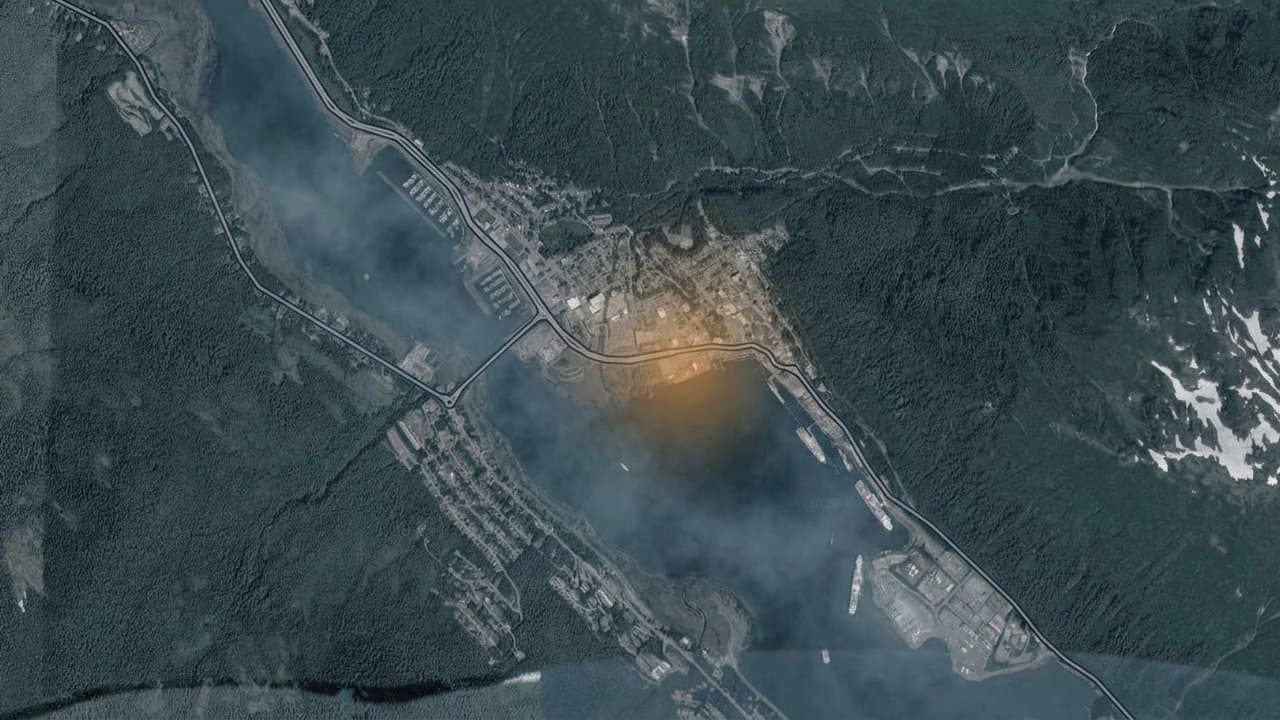
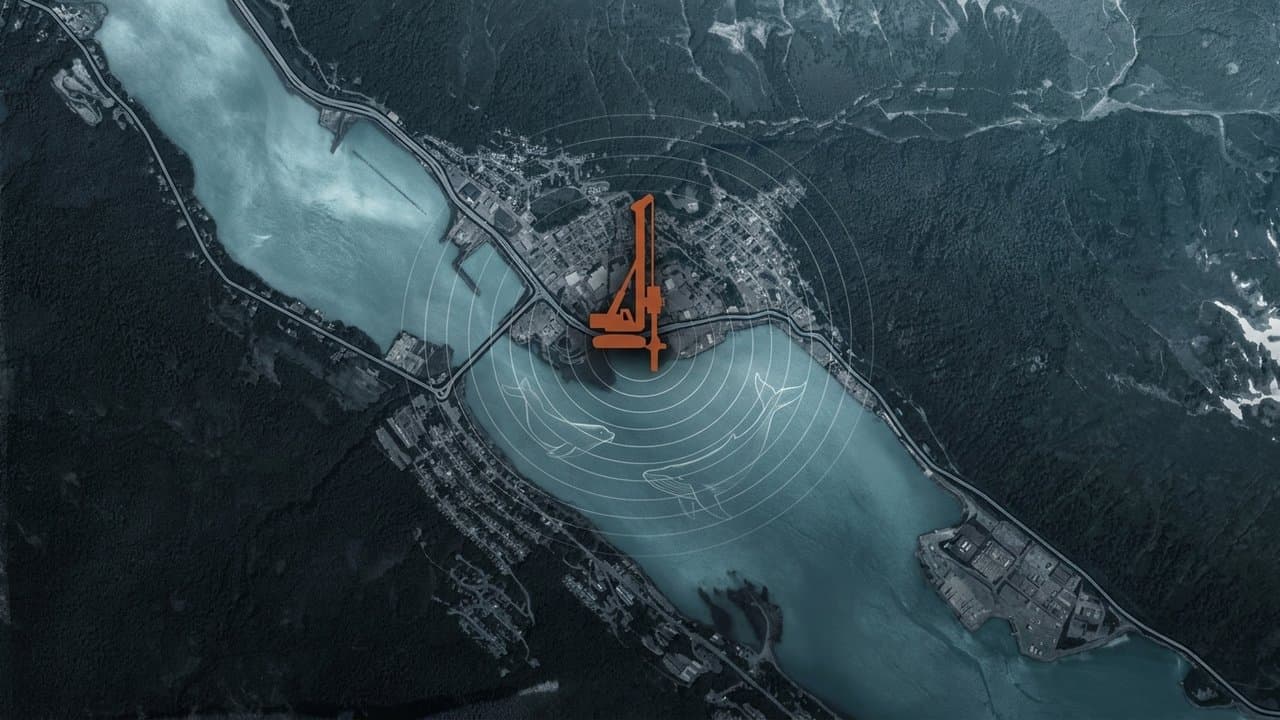
The U.S. Fish and Wildlife Service on Friday proposed an authorization of up to one year that would let pile driving for the Alaska Railroad's Seward freight dock expansion affect up to 347 northern sea otters.
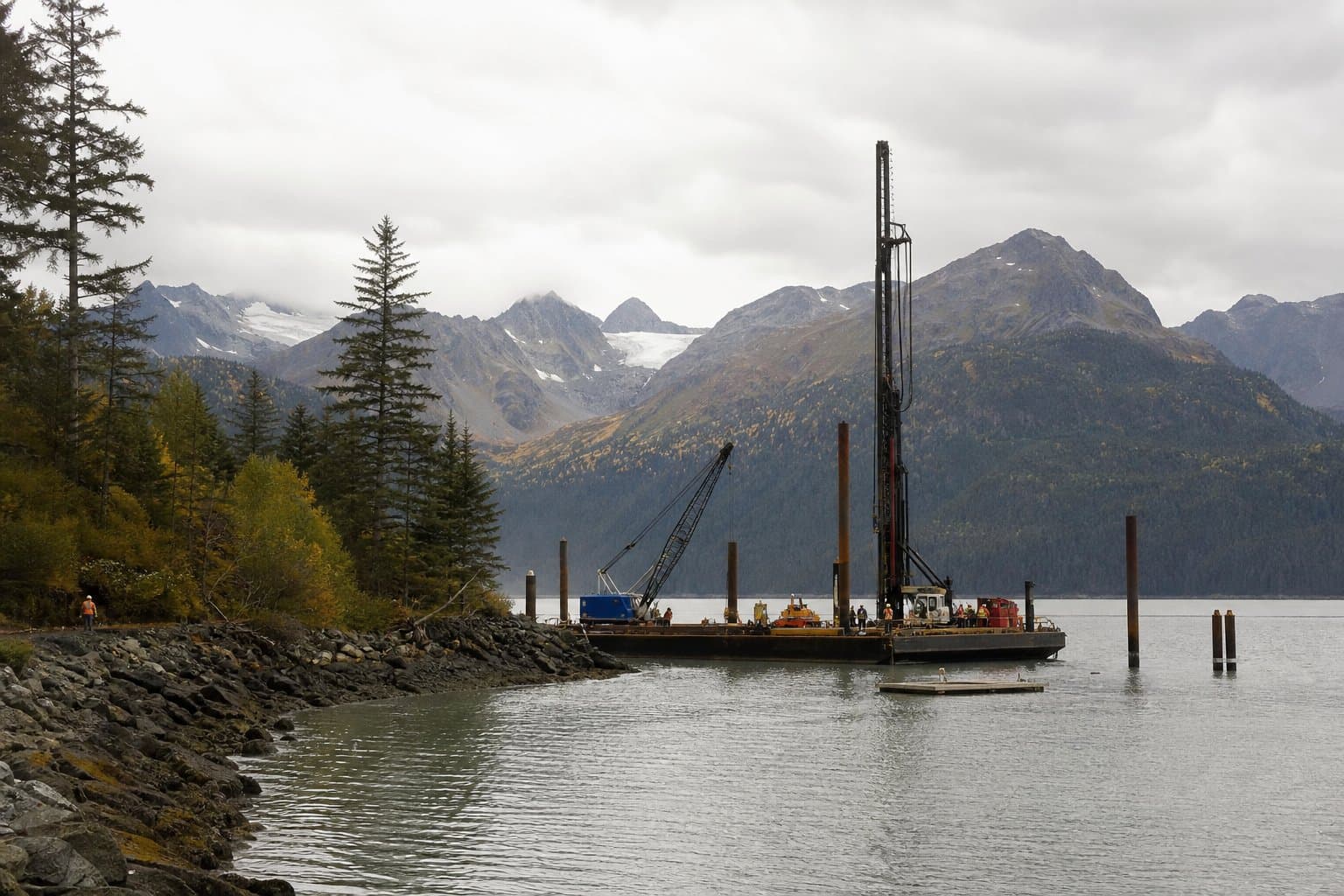
The railroad plans to lengthen the dock at the head of Resurrection Bay from 620 feet to 1,000 feet, with construction set to begin in late 2026, according to its bid solicitation. In-water work cannot start until separate mitigation work, scheduled to finish by Nov. 26, is complete. Comments on the otter proposal are due Wednesday, Dec. 23.
The agency preliminarily finds the project would have no more than a negligible impact on the Southcentral Alaska sea otter stock and no unmitigable adverse impact on Alaska Native subsistence uses.
The Fish and Wildlife Service estimates up to 398 instances in which noise could disrupt an otter's behavior, which the law calls Level B harassment, and up to 10 in which it could cause a permanent shift in the otter's hearing, called Level A. All 10 are expected on the five days crews hammer in new mooring dolphin piles.
The 347 figure is the agency's estimate of the most otters that could be exposed. It multiplied the 150-square-kilometer area of Resurrection Bay by the density of otters it expects, then assumed the 408 instances may affect up to 347 different otters. That is 1.61 percent of the Southcentral Alaska stock of 21,617 animals.
Crews would install 425 pairs of steel sheet piles to form the new dock wall, among other piles, on as many as 265 nonconsecutive days. Under the proposed authorization, they would stop pile driving whenever an otter comes within 10 meters, about 33 feet. Pile driving would happen only in daylight, each day's impact hammering would start with reduced-energy strikes where possible, and protected species observers would watch the water.
Vessels would stay 100 meters from otters and, unless needed for safety, 500 meters from rafts of 10 or more. The agency did not require bubble curtains or other noise-dampening methods, which the railroad said would not be effective around filled sheet-pile docks. Work could continue only if the agency approves the monitoring results the railroad must report monthly.
NOAA Fisheries issued the railroad its own authorization for the project in May 2025, covering 11 other species. That authorization runs from Nov. 1, 2026, through Oct. 31, 2027.
A draft environmental assessment preliminarily concludes that a full environmental impact statement is not required. Comments go through regulations.gov under docket FWS-R7-ES-2026-3037, and the agency said it does not anticipate extending the period.
The agency said the dock sits in an area rarely used for subsistence hunting. It documented no sea otter harvest near Seward from 2013 through 2022, two otters in 2023 and 10 in 2024, with none reported in 2025. Firearms are prohibited within city limits.
What did you make of this story? (no account needed)
Made by our human newsroom with AI. How humans and AI work here · Grow with our newsroom ·
Keep Alaska News free for everyone.
No paywall, ever. Members pay so everyone can read the meetings and records Alaska News covers.
Get Alaska News in your inbox
Create your free account and get the day’s top stories around 6 each morning, in a few minutes’ read.
Top stories, around 6 each morning.
Stories on what you follow, on Sundays.
Source: U.S. Fish and Wildlife Service, U.S. Fish and Wildlife Service: Taking or Importing of Marine Mammals: Proposed Incidental Harassment Authorization for Southcentral Alaska Stock of Northern Sea Otters at the ARRC Seward Alaska Marine Terminal Freight Dock in….





Comments
Sign in to leave a comment.
No comments yet. Be the first to share your thoughts.