
AI generated image
FCC authorizes a SpaceX network of up to 1 million data-center satellites
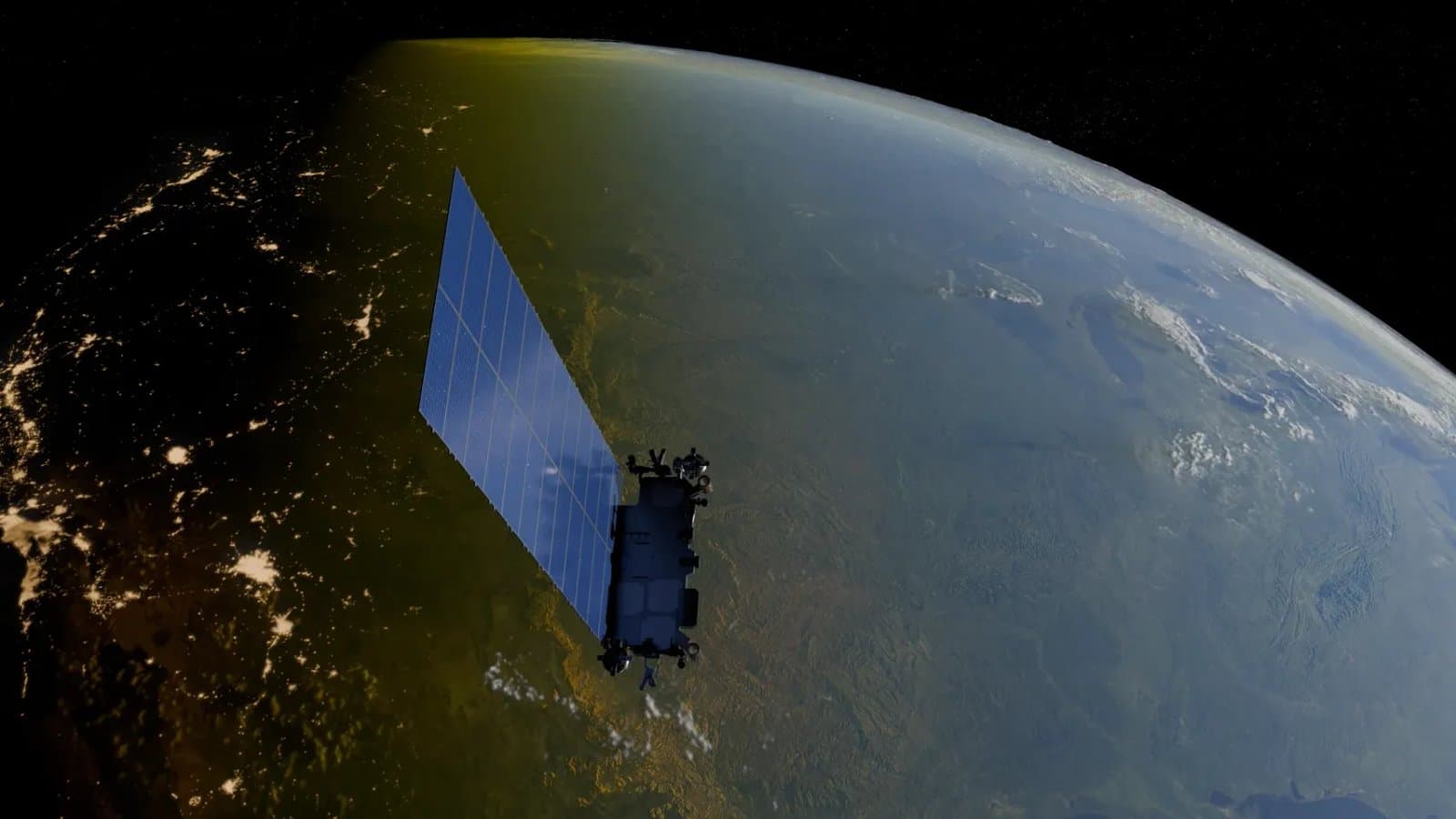
The Federal Communications Commission on Wednesday authorized a SpaceX network of up to 1 million satellites that would work as data centers in orbit, a network the company calls Starmind.
That's more than 60 times the roughly 15,800 working satellites in orbit now, by the European Space Agency's count. The FCC's order sets a ceiling, not a build order. SpaceX must have one Starmind satellite working by 2033, 100,000 by 2035 and half a million by 2038, or the license lapses.
Advocates point to sunlight. In low orbit, satellites can get near-constant sun and generate up to eight times more solar power than panels on Earth, according to Google, which is testing its own AI chips in space.
Data centers on the ground need enormous amounts of power.
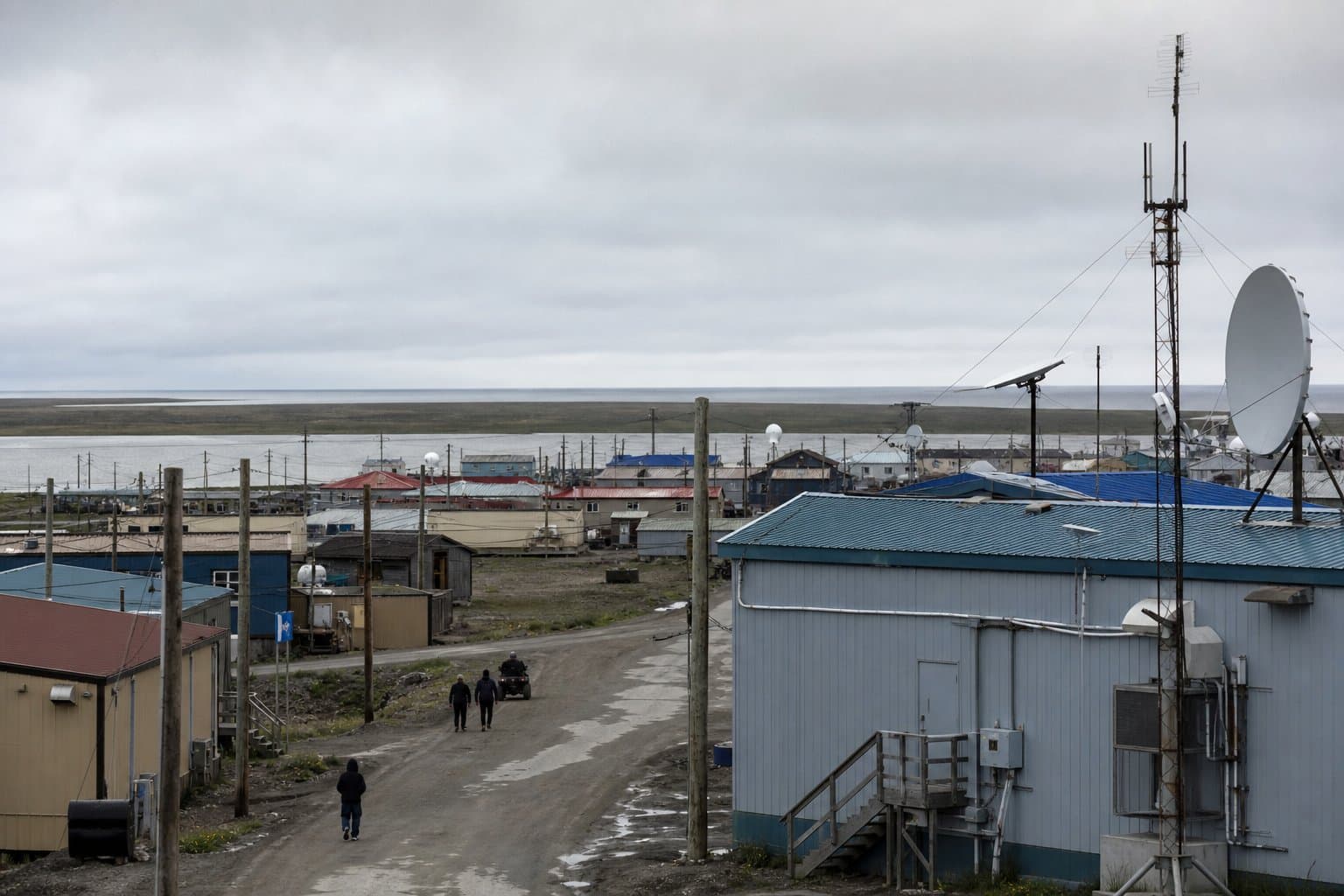
In Alaska, one proposal calls for a 1-gigawatt data center on the North Slope, more power than the entire Railbelt grid now uses, and Fairbanks North Star Borough planners have recommended pausing permits for large data centers until mid-2028 while the borough writes rules for them.
The license the FCC issued is narrow. It covers radio frequencies the satellites would use for backup and emergency control. Their main communications would run over laser links connected to SpaceX's Starlink network.
The agency didn't decide whether orbital data centers can work. Doubts about the technology, its cooling and its economics fall outside the FCC's job of regulating radio, the order says. Many comments, it says, "seek to substitute the government's judgment regarding the viability of business endeavors for that of the applicant and private enterprise. We decline to do so."
The FCC's news release went further. Chairman Brendan Carr credited President Donald Trump, and the release said Starmind could move humanity toward a "Kardashev II civilization," one that harnesses the full power of its sun.
The order came from the chief of the FCC's Space Bureau, Courtney Reinhard, under authority the commission delegates to staff, not from a vote of the commissioners.
SpaceX applied in January. Amazon's satellite company, Kuiper, the satellite operator Viasat and the American Astronomical Society asked the FCC to deny it. The agency turned all three down.
Cooling is one of the questions the FCC set aside.
A computer in orbit turns nearly all the electricity it uses into heat, just like one on Earth. On Earth, data centers carry that heat away with air or water. Space has no air or water to do that, however cold it is.
Satellites can still move heat through metal or liquid loops inside, but in the end they have to shed it as infrared light from big radiator panels. The International Space Station does that with ammonia loops and radiator wings that can get rid of roughly 70 kilowatts.
Data centers run on far more. A 2026 engineering analysis estimated that a single orbital system using one megawatt would need about 2,500 square meters of radiator, roughly half a football field, plus more than twice that in solar panels.
Google calls cooling "a crucial research challenge." SpaceX's public filings don't say how much power each Starmind satellite would use or how big its radiators would be. The order says the company is still developing design options.
The astronomers worried about that heat, too. The satellites' "thermal signature" could raise the infrared background of the sky and threaten research, the society argued, according to the order. The FCC said that was outside the scope of a radio license.
Opponents have 30 days to ask the full commission to review the decision, a step required before any court challenge. SpaceX's first deadline, one working Starmind satellite, is Nov. 25, 2033.
What did you make of this story? (no account needed)
Keep Alaska News free for everyone.
No paywall, ever. Members pay so everyone can read the meetings and records Alaska News covers.
Get Alaska News in your inbox
Create your free account and get the day’s top stories around 6 each morning, in a few minutes’ read.
Top stories, around 6 each morning.
Stories on what you follow, on Sundays.



Comments
Sign in to leave a comment.
No comments yet. Be the first to share your thoughts.