AI image
Fairbanks draft would cap snowmachine and ATV tour groups on borough trails at 12
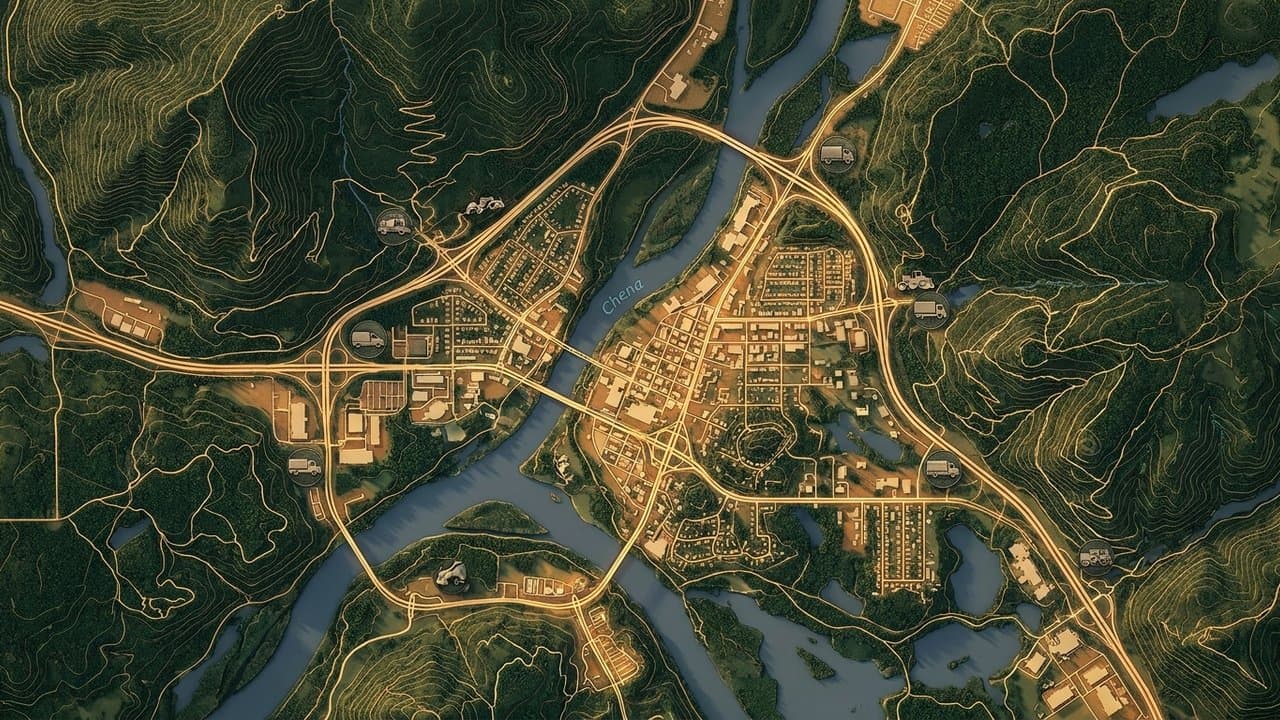
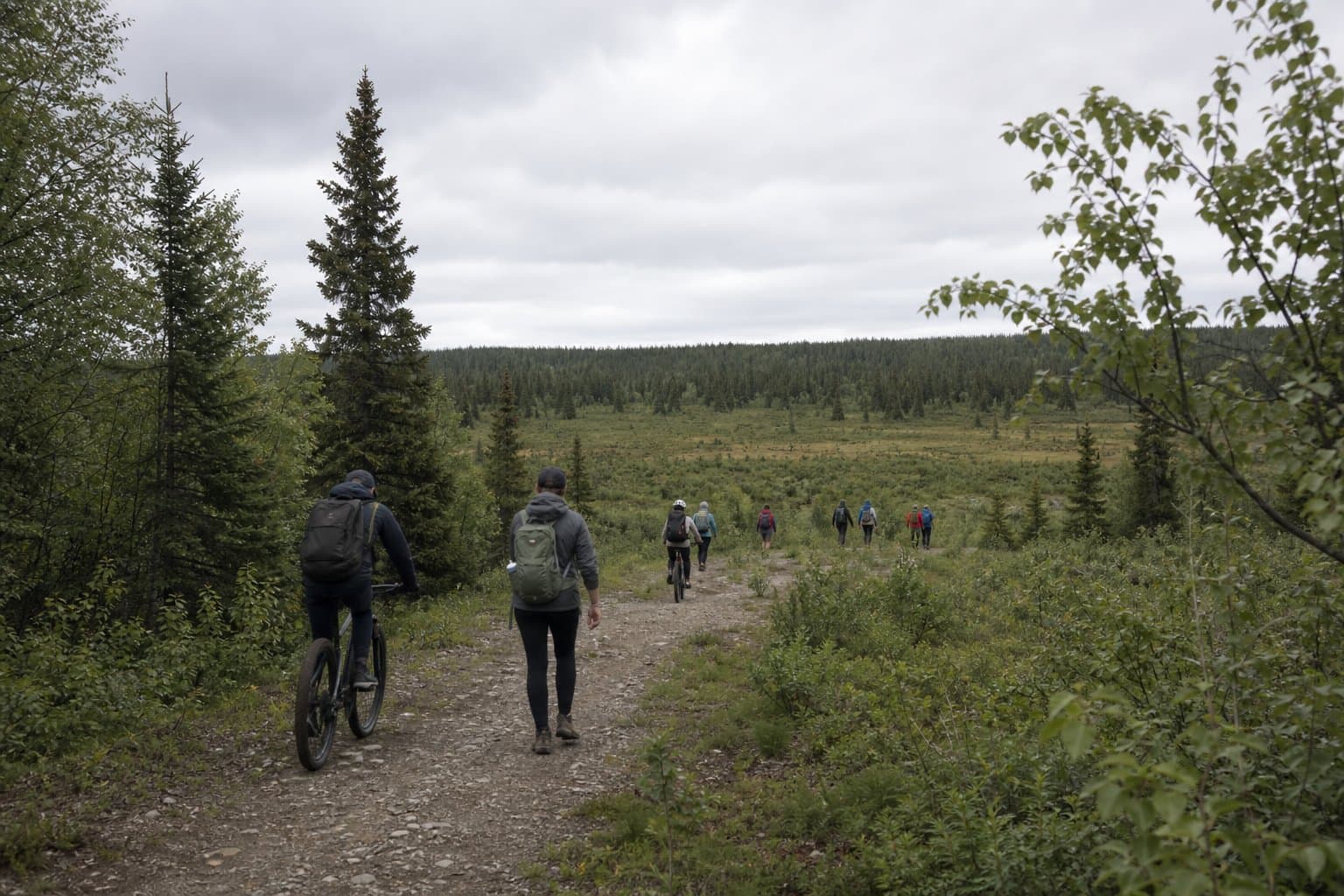
Commercial snowmachine and ATV tours on Fairbanks North Star Borough trails would be limited to 12 people per group, with at least one guide for every six clients, under a draft from the borough parks department posted Monday.
The borough has more than 1,000 miles of trails and no standards for commercial operators on them. The Assembly asked the borough's Trails Advisory Commission to recommend some in a resolution last November, citing concerns residents raised about tour operators reaching local trails from residential areas. The commission is scheduled to take up the draft with parks staff at 6 pm Nov. 30 at 907 Terminal St. The session is for discussion only, and its recommendations will go to the mayor and Assembly.
The draft does not yet say which trails tours could use. A staff table in the same meeting packet lists 21 borough trails and marks six "REMOVE," without saying why: Lower O'Connor Creek, the Eldorado Ridge connector trails, Cleary Summit Gilmore Dome, Chena Hot Springs Road, the Tanana Valley Railroad Trail and the Gilmore Trail Fairbanks Creek connector. The 15 left unmarked include the Goldstream Hills trail network, Skyline Ridge, the Isberg Recreation Area and Ester West Ridge. In October, the commission and staff discussed screening trails by motorized status, trail conditions, land ownership and neighborhood impact.
A snowmachine on a winter trail could weigh no more than 1,500 pounds and be no more than 72 inches wide. For summer trails, the draft gives two sets of limits. The smaller, 1,000 pounds and 50 inches wide, allows most four-wheelers and few side-by-sides, the draft says. The larger, 1,500 pounds and 64 inches, allows most ATVs, including six-wheelers, and many two-door side-by-sides, but not Argos or four-door side-by-sides.
An agreement would cover only the trails named in it, and the parks department could revoke it at any time without compensating the operator. Guides would have to stay within sight and sound of clients. Everyone working under an agreement would need first aid certification, and operators could not sell alcohol, tobacco or marijuana. Injuries needing urgent care would be reported to Alaska State Troopers as well as the parks department. The seasons, hours and number of tours a day are still blanks, and on appeals the draft says only, "Appeals?"
In an April letter to the mayor and Assembly, the commission recommended a process in which each application would come before it for public comment, the mayor would approve or deny it, and agreements would run six months. It also recommended that operators pay 15% of proceeds into a trail maintenance fund the borough would create. In July, Parks and Recreation Director Matthew Boyer told the commission that, in response to the letter, the administration was requesting more objective standards rather than subjective guidelines. The new draft names no percentage. Fees would come from the user fee schedule in the borough's annual budget.
Until the borough adopts standards, nothing in the draft binds an operator.
What did you make of this story? (no account needed)
Made by our human newsroom with AI. How humans and AI work here · Grow with our newsroom ·
Keep Alaska News free for everyone.
No paywall, ever. Members pay so everyone can read the meetings and records Alaska News covers.
Get Alaska News in your inbox
Create your free account and get the day’s top stories around 6 each morning, in a few minutes’ read.
Top stories, around 6 each morning.
Stories on what you follow, on Sundays.
Source: Fairbanks North Star Borough.




Comments
Sign in to leave a comment.
No comments yet. Be the first to share your thoughts.