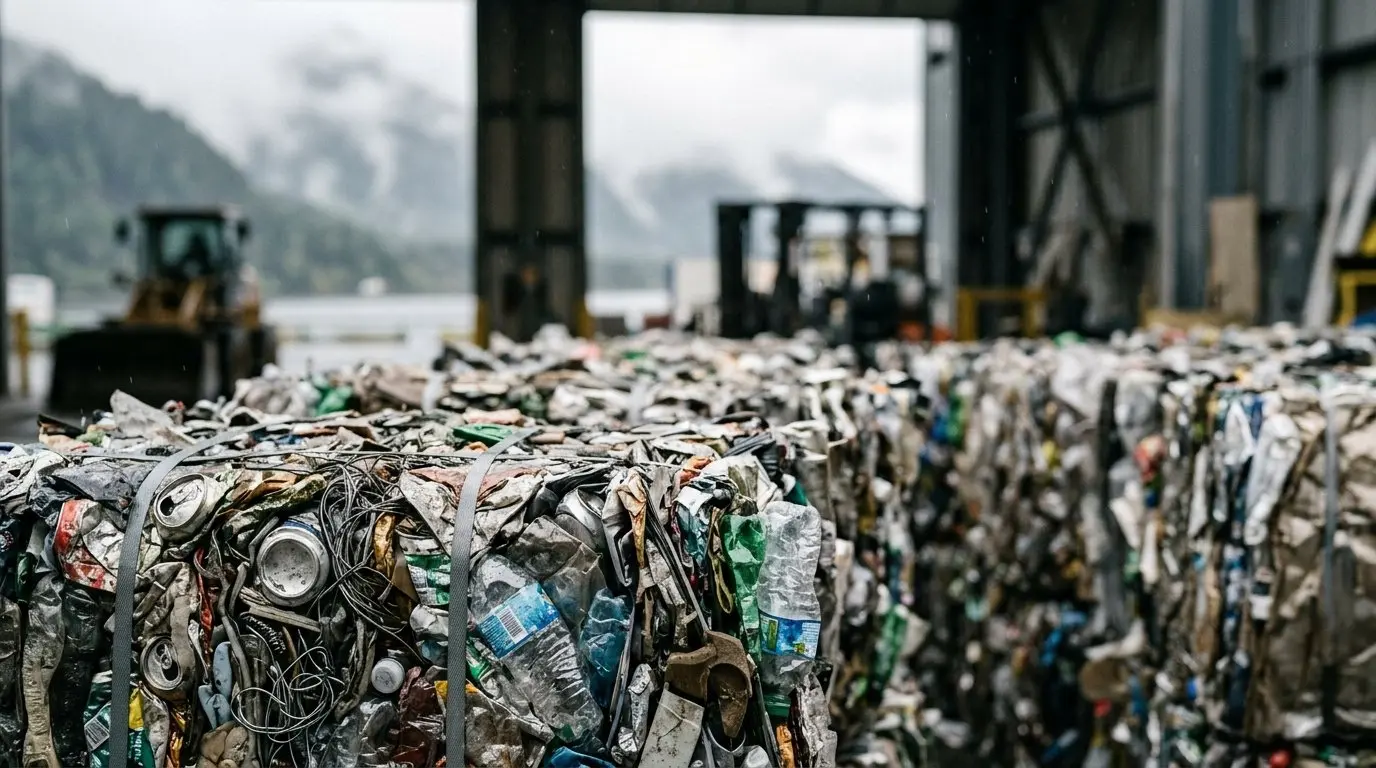
AI image
Draft Juneau priority list seeks $14.6 million for a city trash transfer station
Juneau's draft list of capital priorities for next year asks for $14.6 million toward a solid waste transfer station, a project the city calls the first step toward managing its own garbage. The station ranks fourth on the Draft FY28 CBJ Legislative Capital Priority List.
City Manager Katie Koester wrote that a spot on the list is not a funding request. The list tells the Alaska Legislature, the federal delegation and the public which large projects the city wants funded. Its goal, she wrote, is to get at least partial funding for a project in the state capital budget or through a federal earmark.
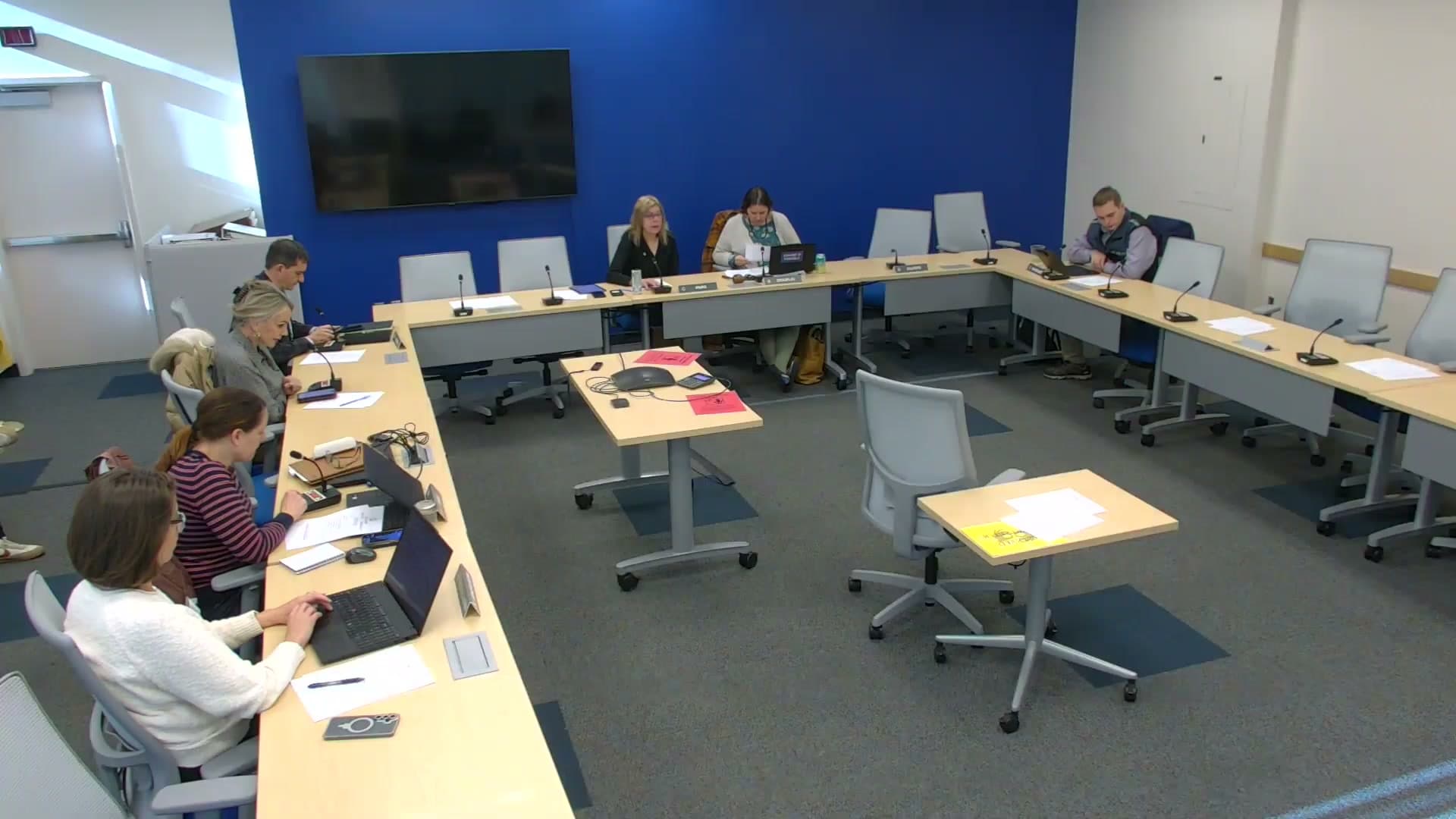
The Systemic Racism Review Committee is scheduled to review the list at noon Tuesday, Nov. 17.
The project entry says Juneau has no flow control ordinance, no regulatory role and no control over waste collection or disposal. Waste Management owns the Capitol Disposal Landfill, and Alaska Waste runs curbside pickup. The Regulatory Commission of Alaska oversees hauling but not the landfill, so there is no public input on landfill operations or rates, according to the entry. It says only three Alaska municipalities, Juneau, Haines and Glennallen, have no role in managing their own solid waste.
Waste Management closed Juneau's two incinerators in 2004, leaving the landfill as the city's main disposal route. A 2008 city strategy projected 25 to 30 more years of landfill life. The entry now estimates the landfill will close within 10 to 20 years, and later says closure is likely within 10 years, the same estimate on the city's solid waste page. Planning and permitting a new disposal facility takes about a decade, the entry says.
A March 2025 technical memo estimated a transfer facility would cost $14 million to $40 million, depending on size.
The entry puts the station's total cost at $15 million. The city has secured $420,000 for site planning: $390,000 of its own money and $30,000 in congressionally directed spending. Design and construction would take three to five years once the project is fully funded.
The entry says the station would let the city respond to residents on cost, hours and operations, divert more waste from the landfill and reduce illegal dumping. It warns that once the private operator announces the landfill is closing, it will be too late to start planning for a community stake in what replaces it.
The Assembly's Public Works and Facilities Committee reviews the list Nov. 30. The Assembly is set to introduce it Dec. 14 and adopt it in January 2027.
What did you make of this story? (no account needed)
Made by our human newsroom with AI. How humans and AI work here · Grow with our newsroom ·
Get Alaska News in your inbox
Create your free account and get the day’s top stories around 6 each morning, in a few minutes’ read.
Top stories, around 6 each morning.
Stories on what you follow, on Sundays.
Source: City and Borough of Juneau.


Comments
Sign in to leave a comment.
No comments yet. Be the first to share your thoughts.