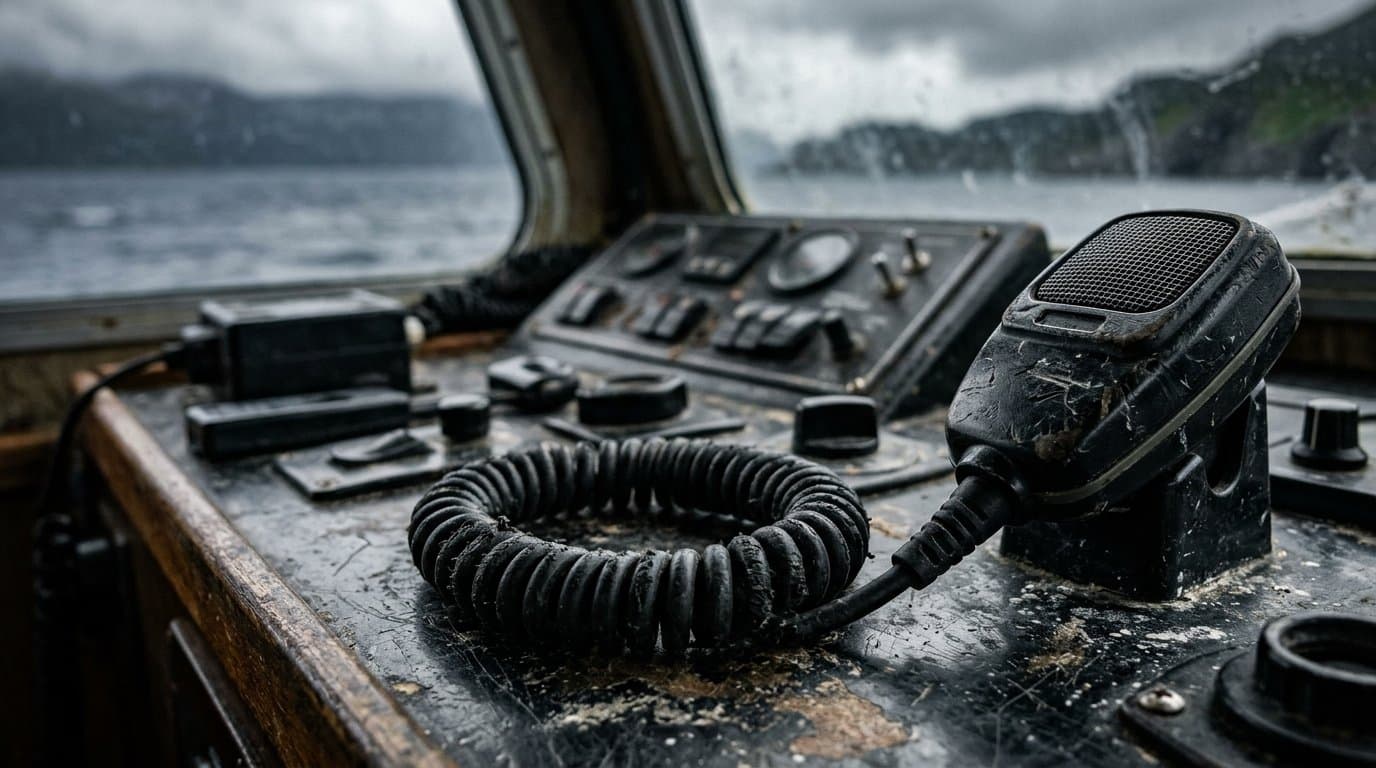
AI image
Coast Guard warns Alaska mariners that a fake Mayday can mean prison and the search bill
The Coast Guard warned Alaska mariners Tuesday that faking a distress call is a federal felony, and that whoever does it can be billed for the search.
An hour of Coast Guard helicopter time costs about $18,500, and a single search can use several aircraft.
In late November 2016, Ryan Meganack of Port Graham took his fishing boat alone to an island near Port Graham bay, towing his skiff. He swamped the skiff on the rocks so it would look like he had died, according to the U.S. Attorney's Office in Alaska. He was safe at a campsite he had prepared.
Early the next morning, his girlfriend told his mother, as he'd instructed, that he "was drunk" and the skiff "was not working well."
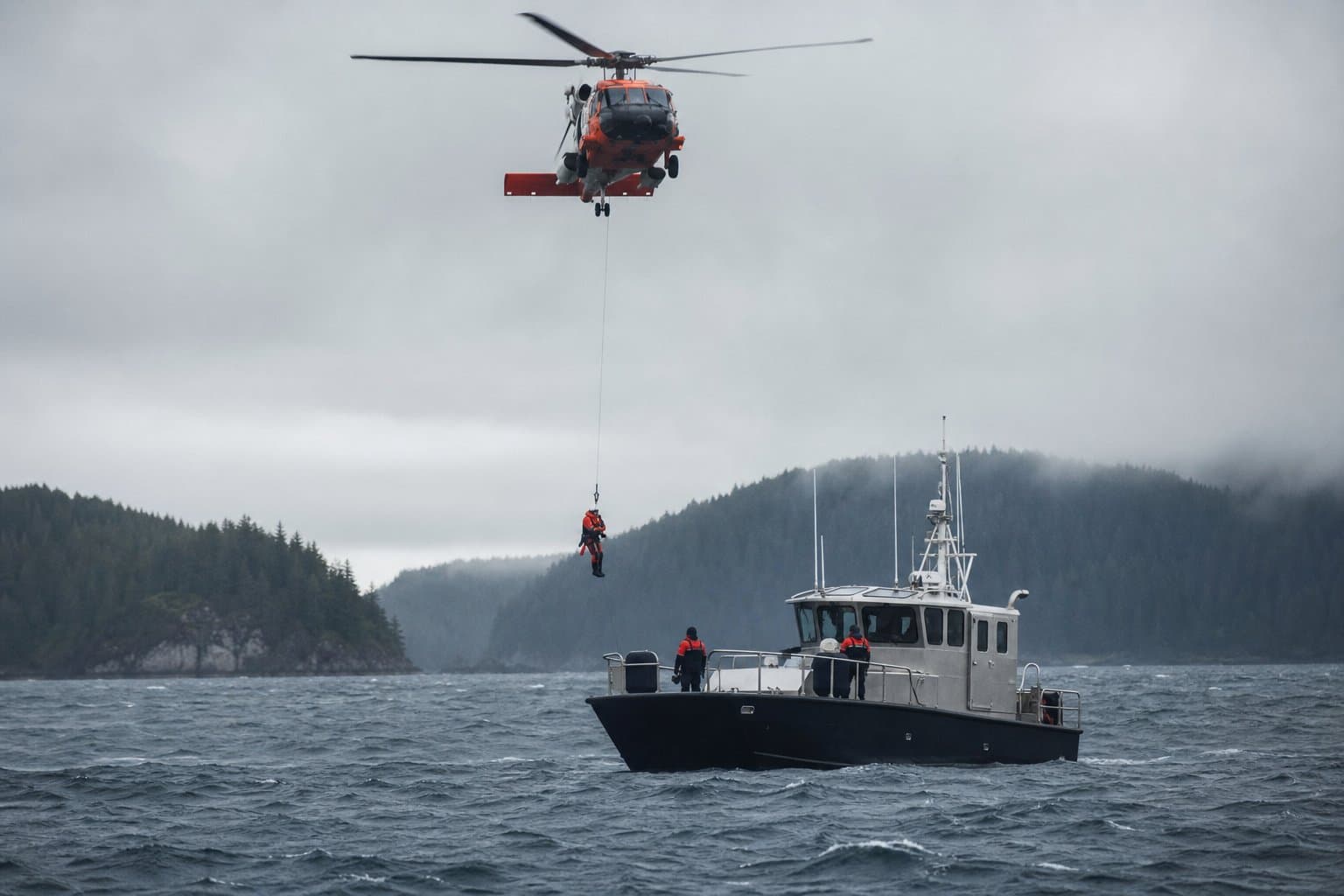
For three days, searchers looked for him, at times in snow, high winds and low visibility. Coast Guard helicopters flew from Air Station Kodiak. The cutter Naushon joined in. So did residents of Port Graham and Nanwalek.
The Coast Guard alone spent about $384,261. In 2018, a federal judge sentenced Meganack to 2½ years in federal prison on a false distress charge and a firearms charge, and ordered him to repay the Coast Guard in full. U.S. District Judge Sharon Gleason said the hoax had "an enormous impact" on the Coast Guard and the Port Graham community and "put so many at risk," according to the Justice Department.
In September 2023, a man called on VHF Channel 16, the marine emergency channel, around 9:44 pm and said he was sinking. In his last transmissions, he said he wasn't in distress. The Coast Guard Investigative Service asked the public for help identifying him.
A conviction can bring up to 10 years in prison and a fine, according to a Coast Guard release from July. The law also allows a civil penalty of up to $13,295 and makes the caller responsible for all of the Coast Guard's costs.
"False distress calls divert Coast Guard personnel and resources from legitimate maritime emergencies and place mariners and responders at unnecessary risk," the U.S. Coast Guard Arctic said in a Facebook post Tuesday.
The Coast Guard's guidance separates hoaxes, which involve intent to deceive, from false alerts, which can come from a misjudgment or a beacon or radio set off by accident. Either way, crews respond to a distress call without delay until they learn otherwise.
Tuesday's notice asks boaters to secure radios when they're not using them, keep an eye on children around radio gear and save "Mayday" and "help" for real emergencies. Anyone who broadcasts by accident should answer when the Coast Guard calls out and say clearly that it was a mistake.
Real emergencies go out over Channel 16.
What did you make of this story? (no account needed)
Made by our human newsroom with AI. Reviewed by Cale Green. How humans and AI work here · Grow with our newsroom ·
Get Alaska News in your inbox
Create your free account and get the day’s top stories around 6 each morning, in a few minutes’ read.
Top stories, around 6 each morning.
Stories on what you follow, on Sundays.
Source: The Coast Guard would like to remind the public of the dangers and penalties of.




Comments
Sign in to leave a comment.
No comments yet. Be the first to share your thoughts.