AI image
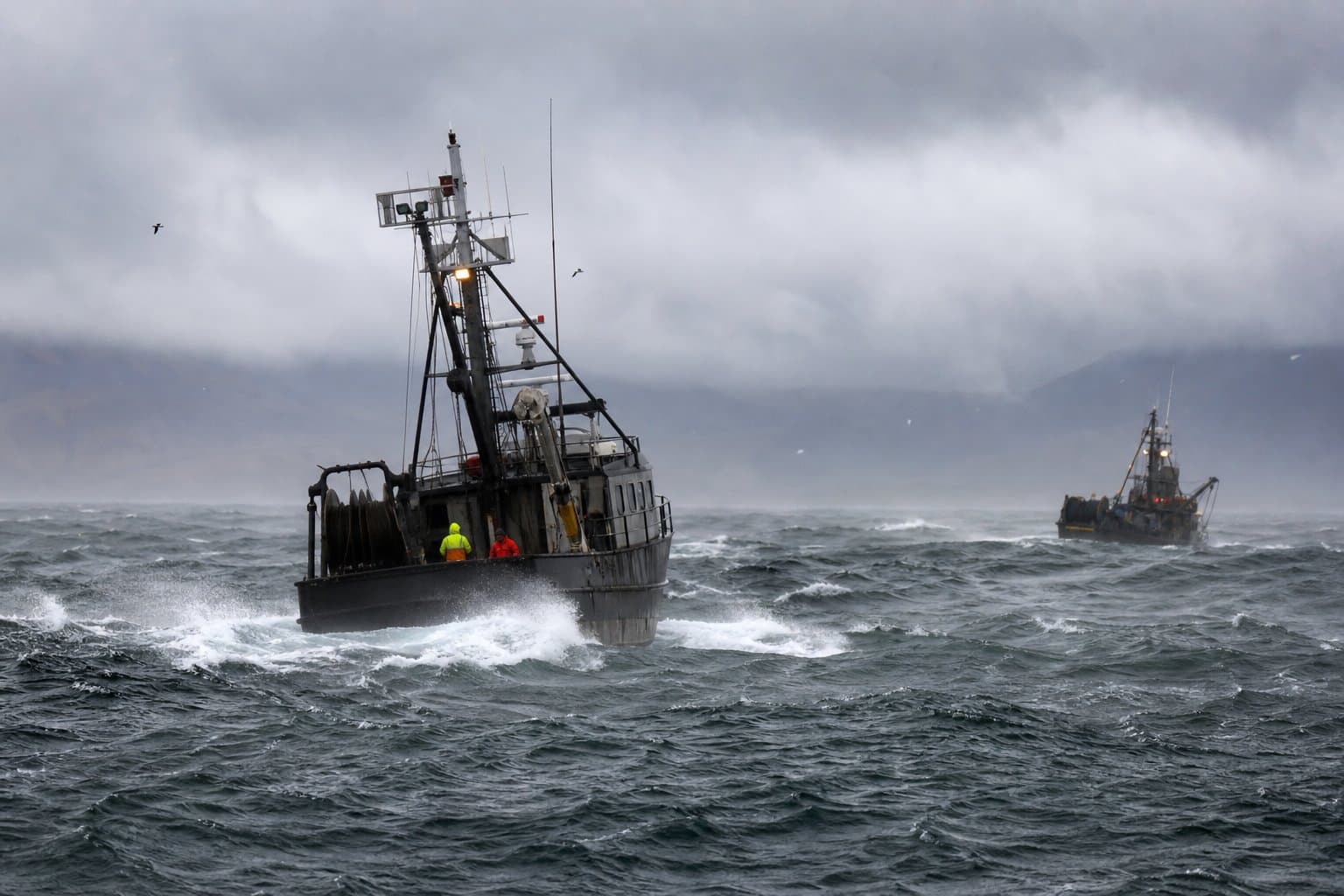
Bering Sea low to push 13-foot seas into Bristol Bay, Kuskokwim Delta Wednesday
Dangerous marine conditions are forecast for Bristol Bay and the Kuskokwim Delta on Wednesday, with seas expected to reach 13 to 14 feet during the active summer fishing season.
The National Weather Service in Anchorage issued Special Weather Statements for both areas. On the Northern Bristol Bay Coast, sustained winds will reach 25 to 35 mph with gusts to 45 mph, peaking Wednesday afternoon into evening before diminishing through Thursday morning. Wave heights are expected to reach 9 to 13 feet, with the highest seas farther offshore.
On the Kuskokwim Delta Coast and Western Capes, seas will build from 5 to 6 feet Wednesday morning to 8 to 14 feet by Wednesday afternoon. Gusts there will also reach 45 mph. Rainfall of 0.50 to 1.00 inches is expected, with the heaviest amounts near Quinhagak and Platinum.
A southerly wind push up Nushagak Bay is expected Wednesday morning and could raise water levels, though the National Weather Service said coastal flooding is of little to no concern because of lower tides. Conditions will slowly subside beginning Thursday morning. The Bering Sea low is expected to track toward Norton Sound by late Wednesday night or early Thursday morning.
Source: National Weather Service.
Made by our human newsroom with AI. How humans and AI work here · Grow with our newsroom
Stay informed. Support what matters.
Free, permanent access to local news you can verify. Subscribe to support Maggie AlaskaNews and go ad-free.
Related Coverage
A gale warning hits Bristol Bay and Aleutian waters Wednesday, with a second storm right behind
Alaska News · 1mo ago
High surf and minor flooding for Alaska's west coast through Thursday
Alaska News · 2mo ago
Forecasters flag Kwigillingok as water rises along the Kuskokwim Delta coast
Alaska News · 1mo ago
A Bering Sea storm brings flooding and high winds to the Y-K Delta
Alaska News · 1mo ago
Kwigillingok, Kongiganak forecast for highest water in surf advisory
Alaska News · 1w ago
Comments
Sign in to leave a comment.
No comments yet. Be the first to share your thoughts.