AI image
Anchorage's next park would sit on the Knik Arm bridge route it has long fought
The bluff where Government Hill neighbors once picked berries — and where a fuel depot later spilled roughly a million gallons — is set to become a park. It is also the mapped Anchorage landing for the Knik Arm Crossing, and making it public parkland would raise the bar on a bridge the state has long wanted and the city has long fought.
The Anchorage Planning and Zoning Commission has recommended the Assembly rezone the 7.9 acres above the Don Young Port of Alaska from heavy industrial to parks and recreation. The port petitioned for the change; the Assembly takes it up Sept. 1, with a public hearing Oct. 6.
The bridge and the city have history. The Knik Arm Crossing — a state- and Mat-Su-backed span meant to link Anchorage to developable land across the water and give the region a second evacuation route — has been pushed for decades, and Anchorage has spent much of that time resisting it, citing its cost and its effect on the Port. The municipality sued to stop the project in 2011, its planning commission voted to strip the bridge from the city's long-range transportation plan, and its transportation board later moved to de-prioritize it. Mat-Su has consistently backed the crossing; Anchorage has not. The project has been shelved since 2016, when Governor Walker halted work amid a budget crunch.
That is the backdrop for the state's objection this spring. When the rezone came up, the transportation department warned that designating the land a park could trigger Section 4(f), a federal protection that makes public parkland far harder for a road project to take than an old industrial site. The right-of-way was preserved on paper when an updated plat set it aside — but parkland status itself raises the political and legal cost of ever running a bridge through the spot. Government Hill, which backs the park, has long opposed the bridge landing in the neighborhood.
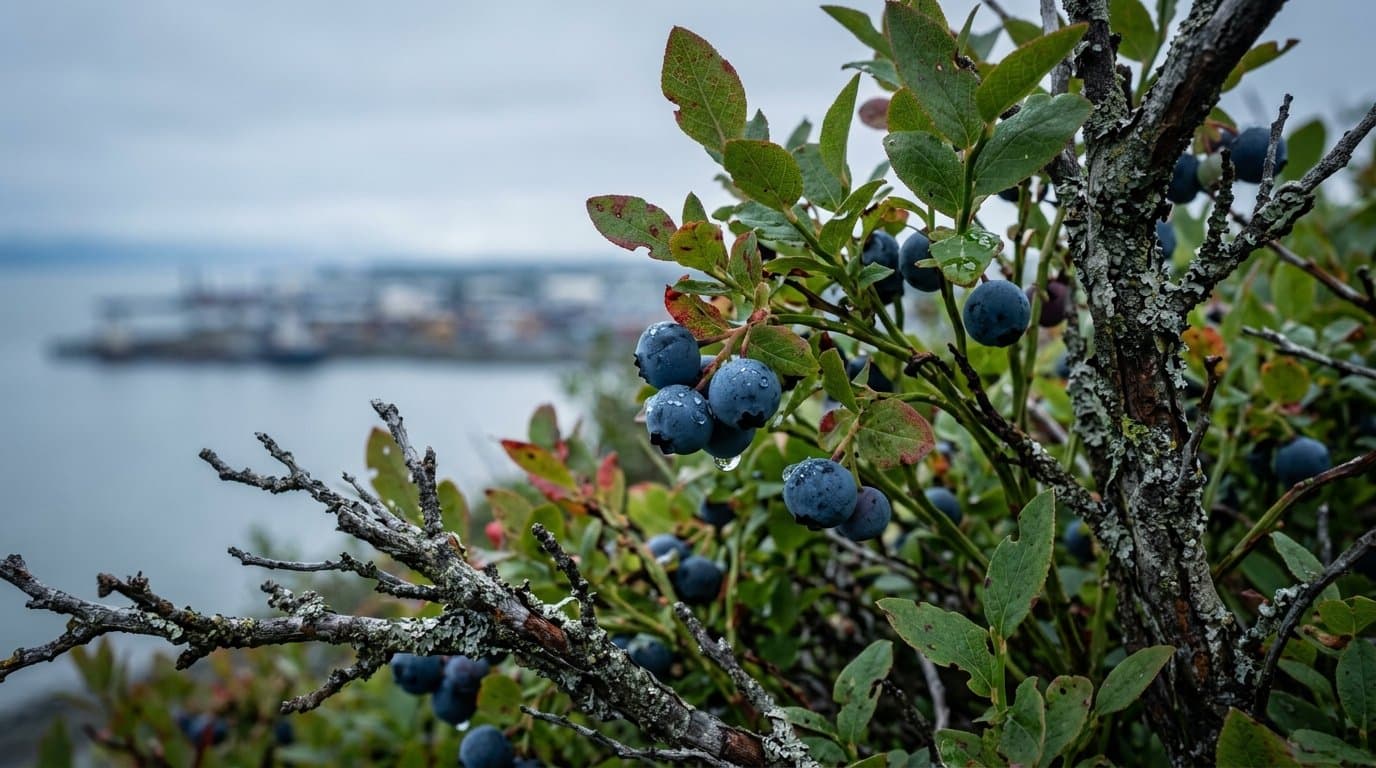
Locals called the site the Blueberry Patch in the 1930s, until Defense Fuels developed it in 1942 as a bulk fuel depot for the North Pacific Theater, refueling Elmendorf Air Force Base through the Cold War and Vietnam. By the 1980s it held 26 tanks with more than 10 million gallons of fuel. Aging equipment produced spills totaling roughly a million gallons — and, per the 2023 ordinance that dedicated the land as parkland, a worker death from unsafe maintenance. Sen. Ted Stevens secured money to move the fuel onto the base; the depot closed in 1996 and the land was declared a brownfield. Regulators let bacteria consume the fuel in place, and the state found the site clean enough in 2019 for a park.
The Government Hill Community Council supports reopening the land. The Assembly still has to pass the rezone, which takes effect only when a replat is recorded.
Source: Municipality of Anchorage.
Made by our human newsroom with AI. How humans and AI work here · Grow with our newsroom
Stay informed. Support what matters.
Free, permanent access to local news you can verify. Subscribe to support Walter AlaskaNews and go ad-free.
Watch the short version
Related Coverage
Anchorage's park rezone meets the Knik Arm bridge route
Alaska News · 1mo ago
A Corner of the Port of Anchorage Is Becoming a Park
Alaska News · 3mo ago
Anchorage P&Z recommends rezoning 7.9 acres of port land to parks
Alaska News · 3mo ago
A Knik Arm bridge easement survives — and so does the debate
Alaska News · 3mo ago
A protected Potter Marsh hillside faces access questions at an Aug. 10 hearing
Alaska News · 2mo ago
Comments
Sign in to leave a comment.
No comments yet. Be the first to share your thoughts.