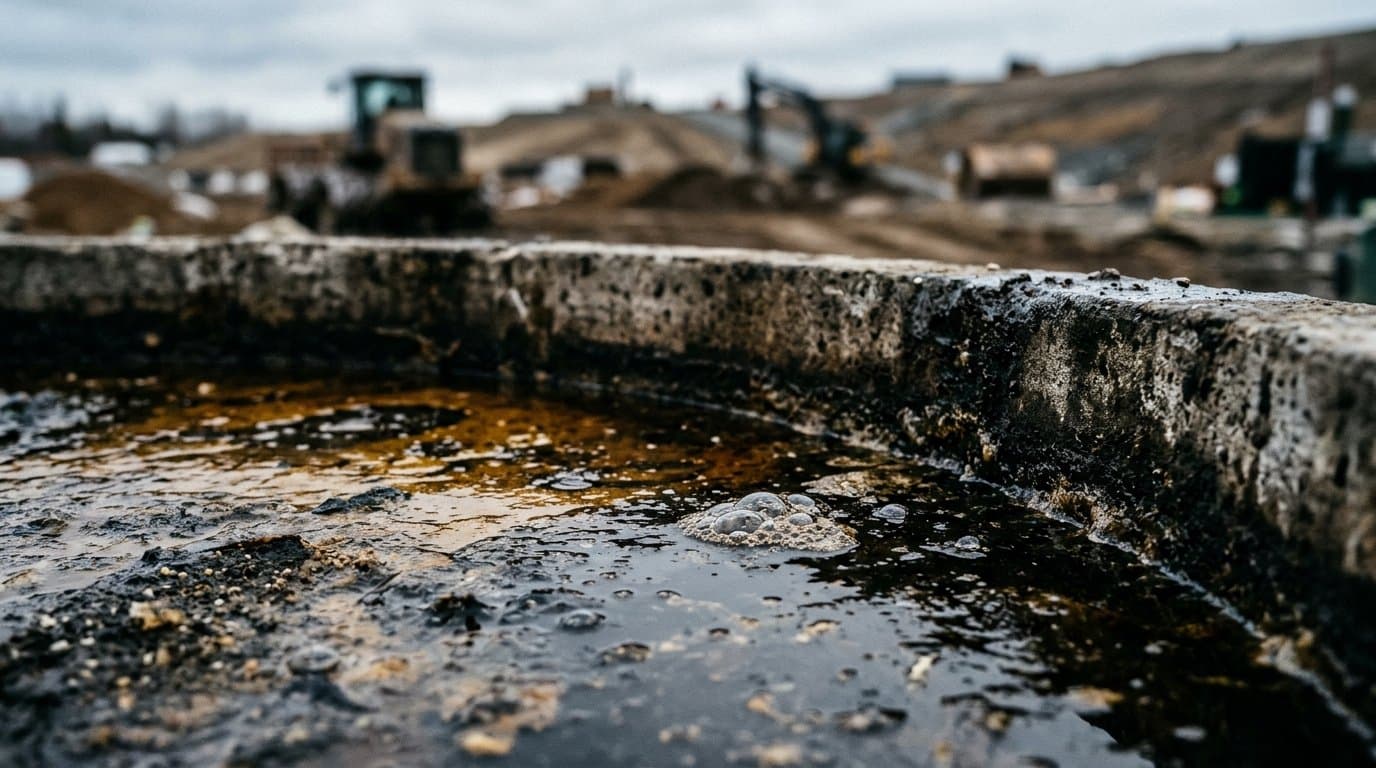
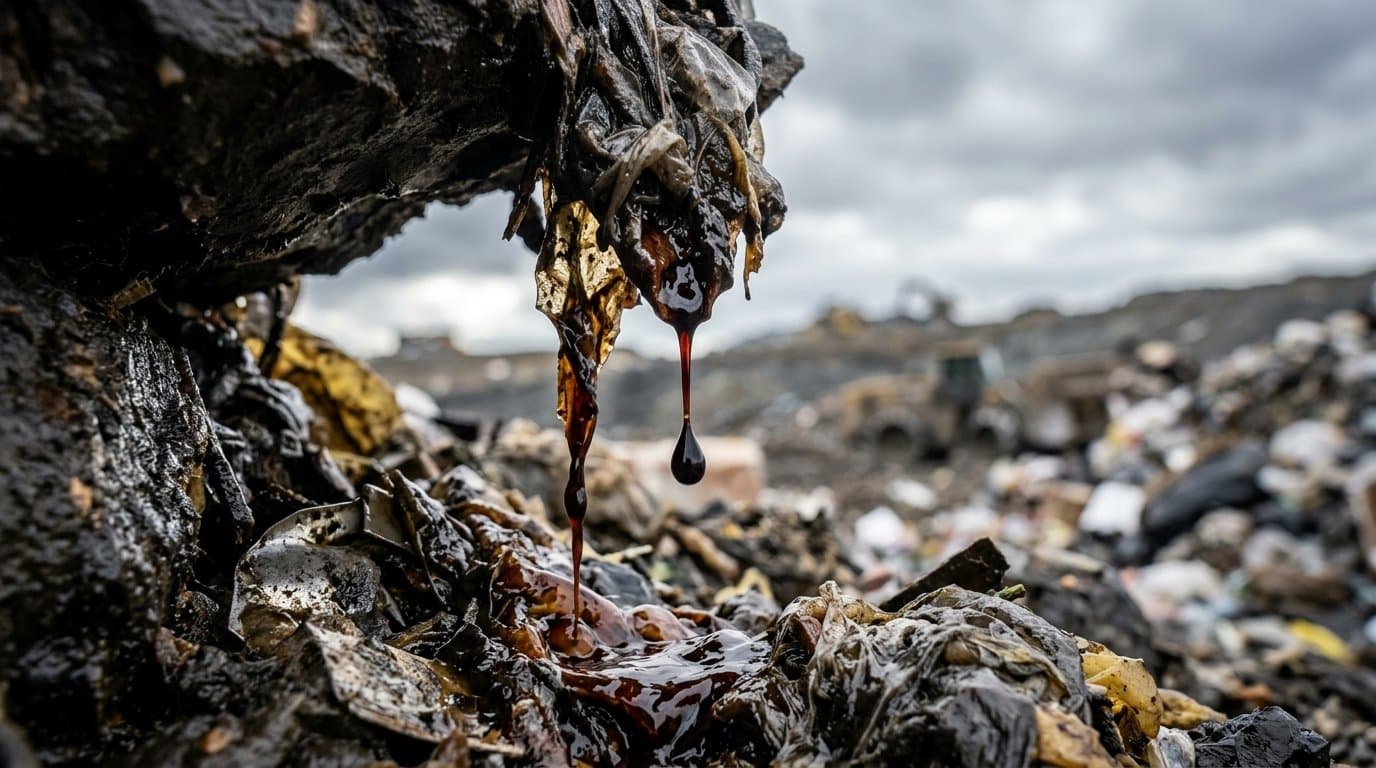
AI image
Anchorage plans to use landfill gas to evaporate the liquid that seeps from its trash
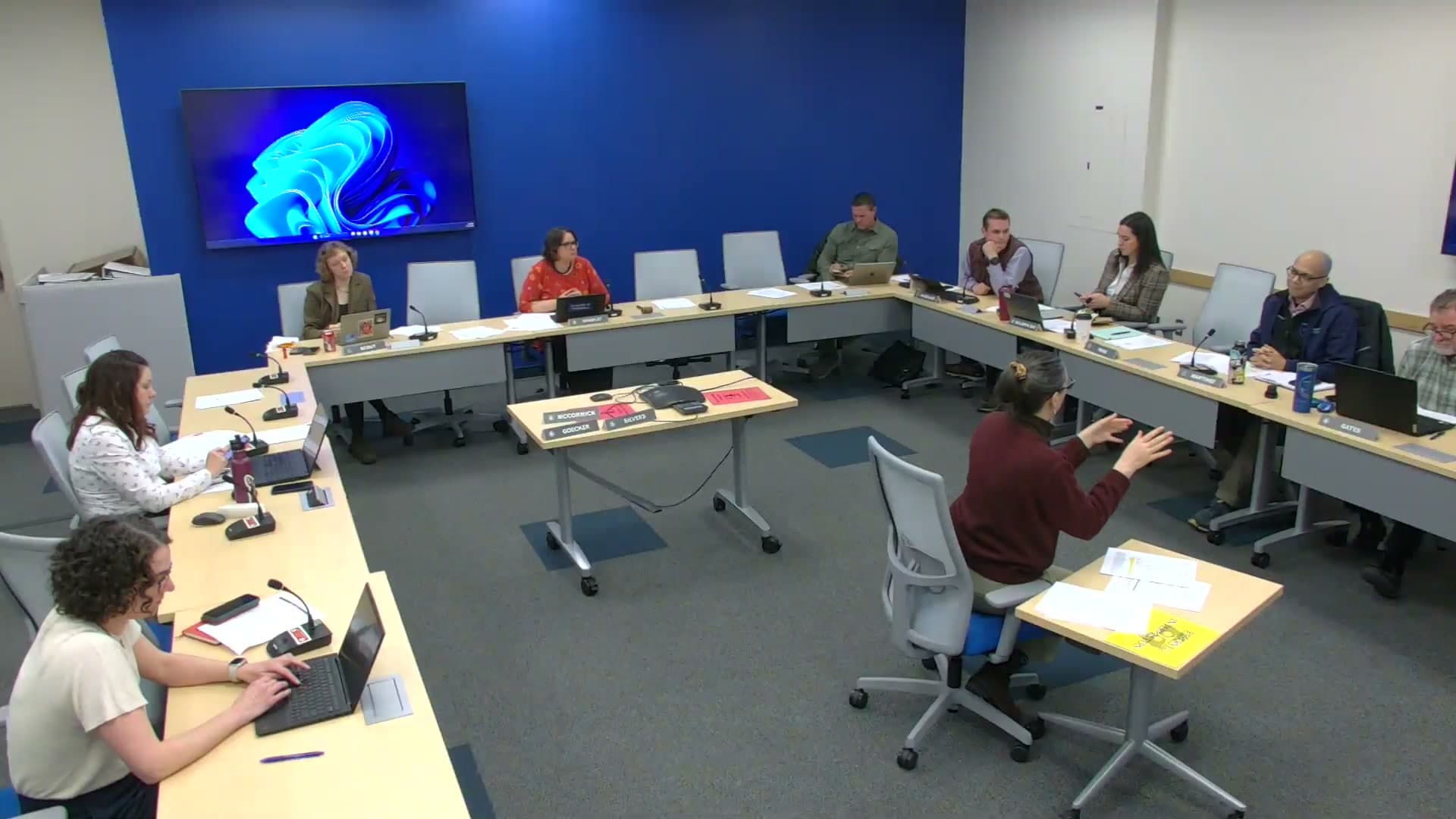
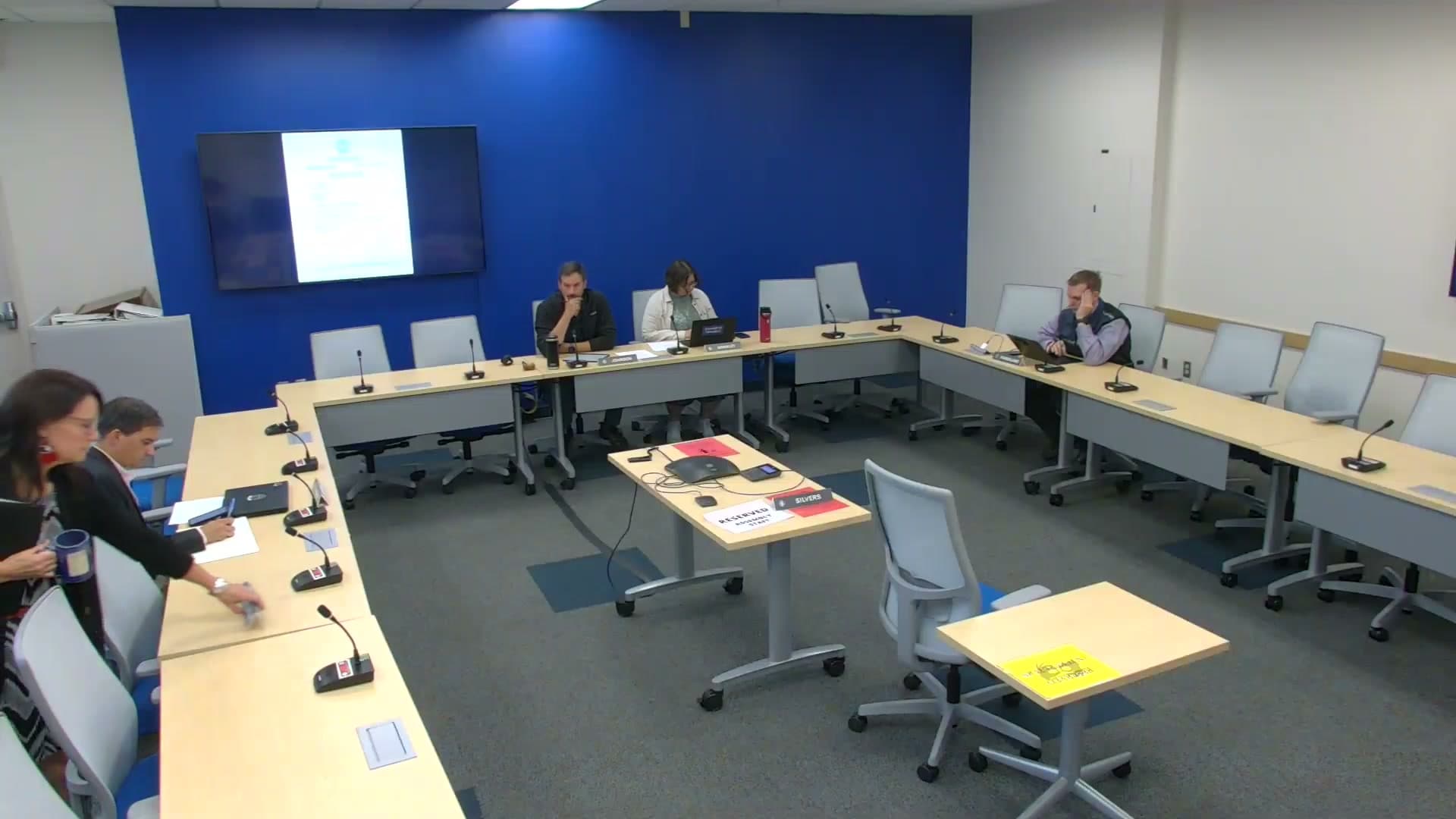
Mayor Suzanne LaFrance's administration is asking the Anchorage Assembly to approve $98,010 for advice on an evaporator that would use gas from the city's landfill to get rid of some of the liquid seeping out of its trash. The Assembly is set to take it up Tuesday.
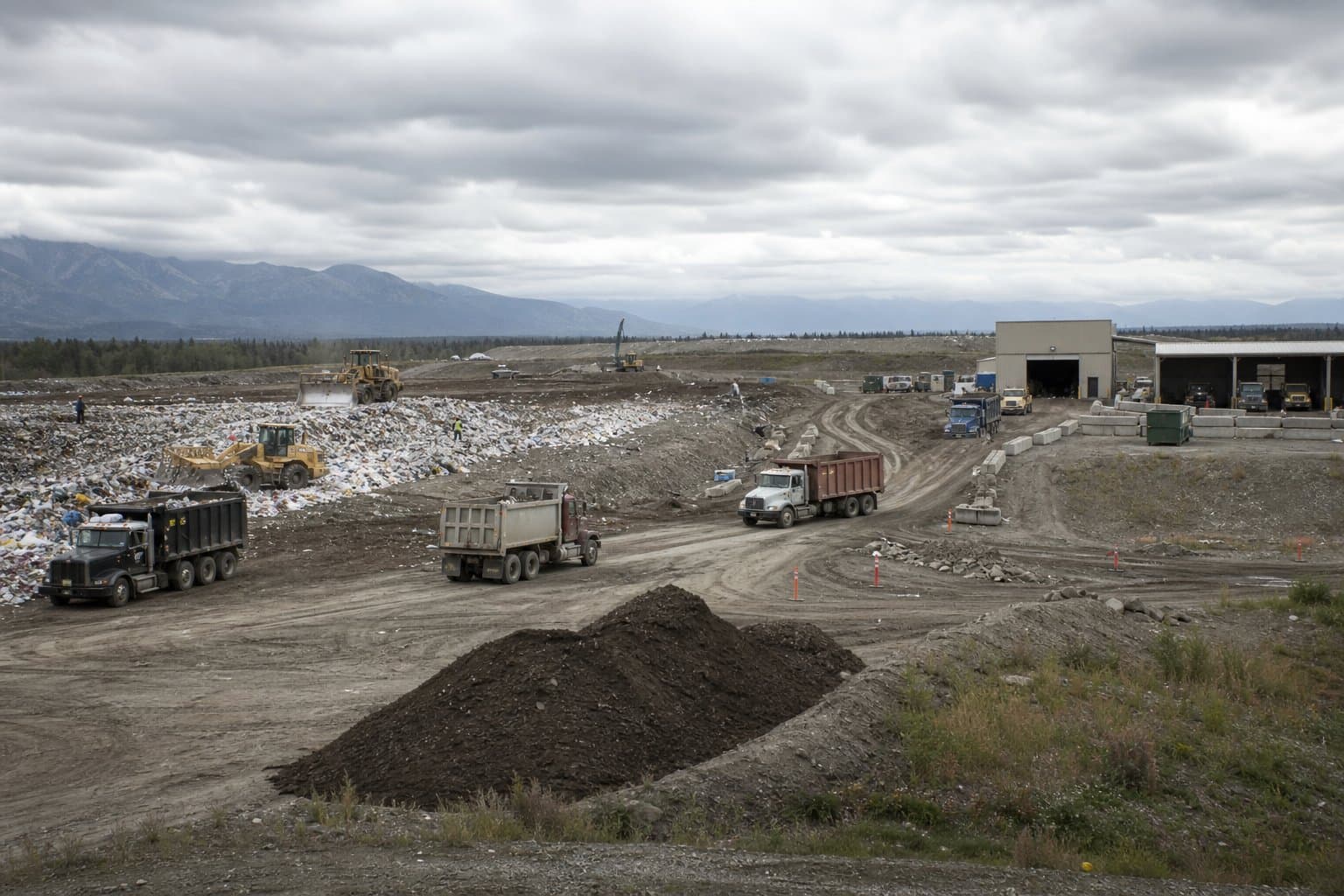
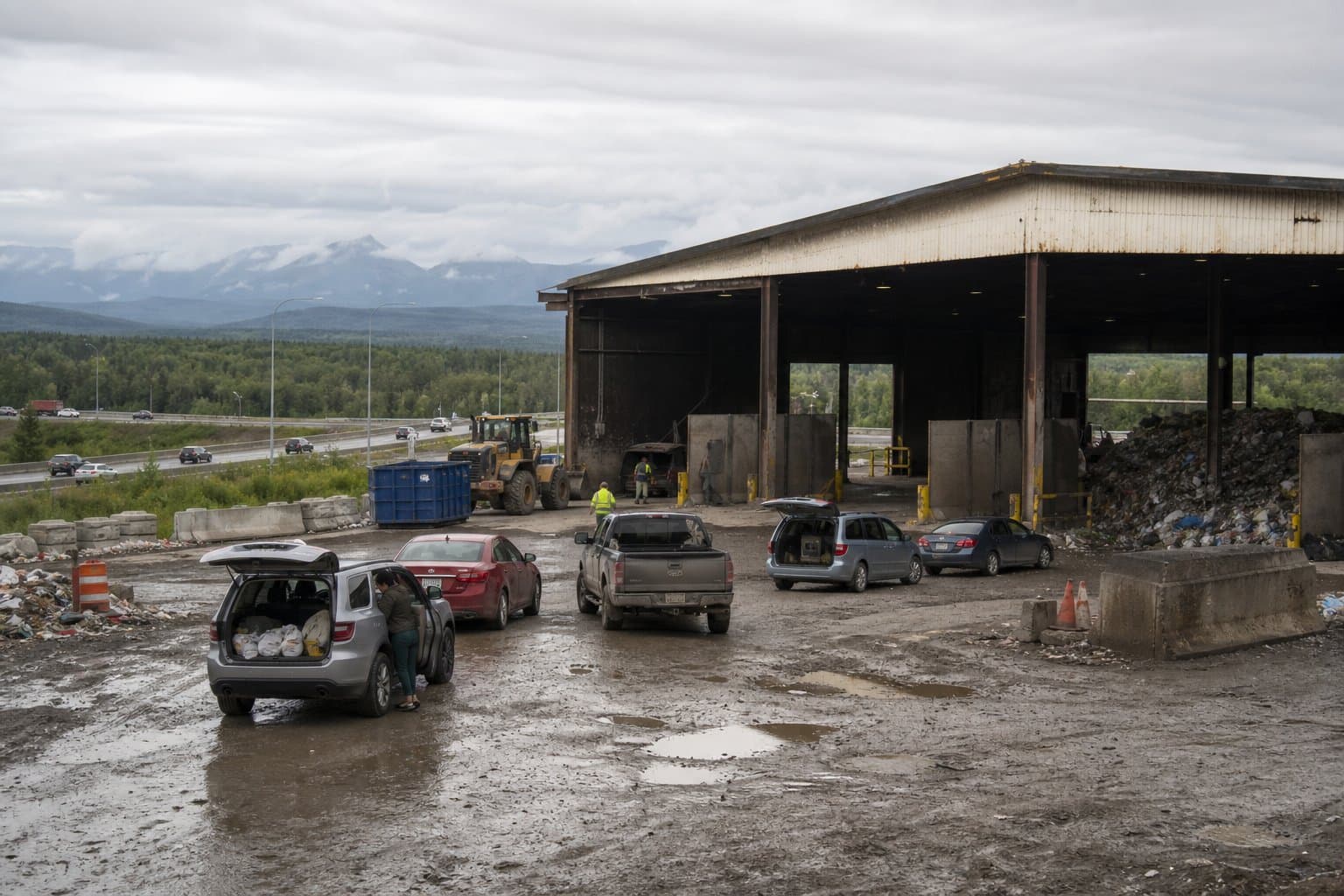
That liquid is called leachate. It forms when rain and snowmelt seep through buried trash, and the Anchorage Regional Landfill, next to Joint Base Elmendorf-Richardson off East Eagle River Loop Road, holds about 11.9 million tons of waste. In 2024, the landfill trucked an average of 118,000 gallons of leachate a day to the city's wastewater utility, often around the clock, according to the city's solid waste master plan.
As bacteria break down organic material in buried trash, they also give off gas, roughly half methane, the main ingredient in natural gas, and half carbon dioxide, according to the EPA.
Anchorage's landfill collects about 2,835 cubic feet of that gas a minute, the plan says. About half goes by pipeline to a Doyon Utilities power plant on the base, which makes about 7 megawatts of electricity for military customers there, according to the city's 2026 budget. The rest is burned off in flares.
The evaporator would use some of the gas that's now flared. It would burn the gas in its own flare, cool the exhaust to 600 to 1,000 degrees Fahrenheit and add leachate, the plan says. The water would evaporate and vent to the air.
The first unit would handle about 50,000 gallons a day, less than half of what the landfill hauled on an average day in 2024. It would leave about 5,000 gallons of residue, roughly a quarter solids, to be put back into the landfill or hauled offsite. More units could be added if more gas becomes available, but trucks would still haul the rest. "Evaporation alone cannot manage the leachate produced," the plan says.
The project also includes what the city calls biogas upgrades. In the plan, that's equipment to clean the gas before it reaches Doyon's plant, removing hydrogen sulfide, moisture and other compounds that can affect engine performance and reliability.
The city is under a 2022 compliance order from the state Department of Environmental Conservation to change how it handles leachate, including cutting the risks and air emissions of trucking it. The order allowed either a deep injection well or an evaporator, and the city has dropped the injection well, citing geology, earthquake risk and cost. The evaporator is to be in place by August 2028, ahead of the order's September 2028 deadline.
Roger Hickel Contracting is the project's construction manager at risk, an arrangement in which the contractor helps shape the design and gets the right to build each phase at a negotiated maximum price. The new work is advice only and doesn't cover materials or construction, according to the Assembly memo. The city isn't obligated to give the company more work, the memo says.
The contract started in December 2021 at $30,004. It has grown through five amendments, including $10.1 million in 2022 to rebuild two leachate lagoons and their aeration systems and $983,510 in July for parts for a new landfill gas flare. This one would bring it to about $16.2 million. The memo puts construction for the whole leachate project on the order of $20 million.
What did you make of this story? (no account needed)
Made by our human newsroom with AI. Reviewed by Cale Green. How humans and AI work here · Grow with our newsroom ·
Get Alaska News in your inbox
Create your free account and get the day’s top stories around 6 each morning, in a few minutes’ read.
Top stories, around 6 each morning.
Stories on what you follow, on Sundays.
Source: Municipality of Anchorage.





Comments
Sign in to leave a comment.
No comments yet. Be the first to share your thoughts.