Photo by Hannah Villanueva on Pexels · Photo source
Anchorage moves to clarify its wetlands permitting, though some say it doesn't go far enough
Update: Anchorage wetlands commission faces Oct. 14 sunset unless Assembly reauthorizes it
The Anchorage Assembly takes up an ordinance next week meant to make it clearer for property owners with mapped wetlands to navigate permitting — though some city staff say it still leaves gaps in who's actually in charge.
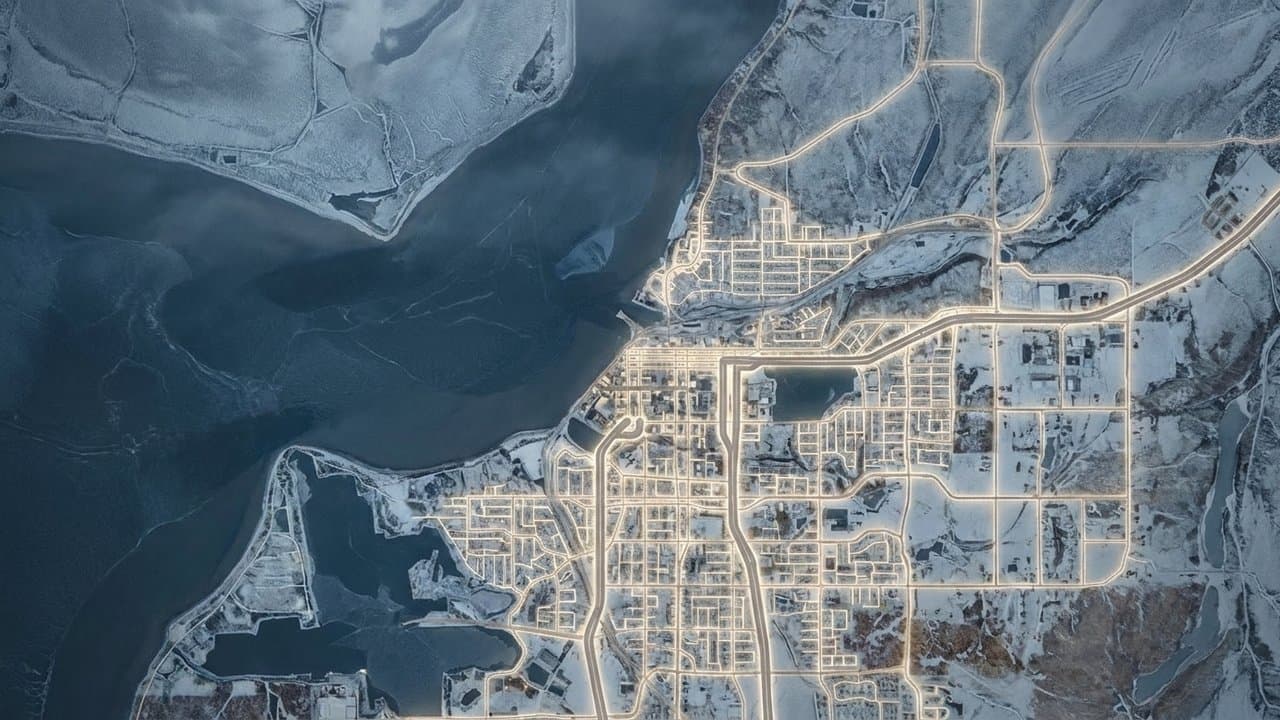
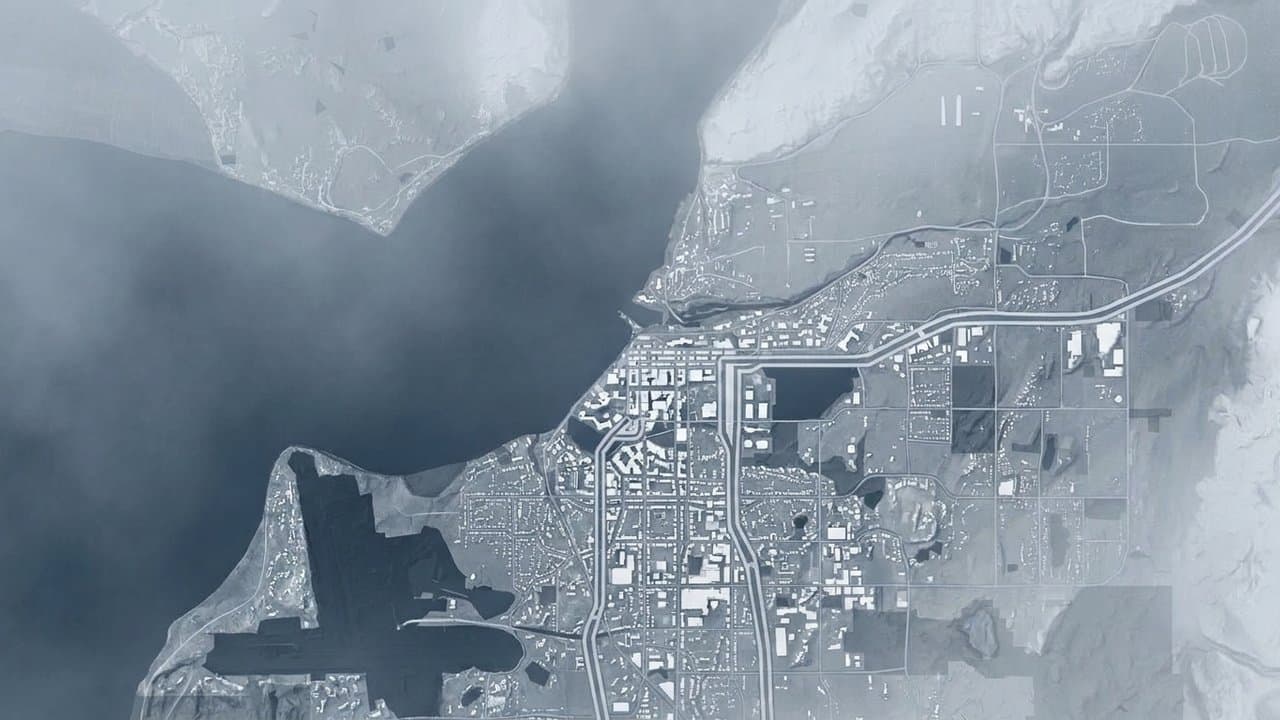
The change would assign oversight of the city's roughly 14,559 acres of freshwater wetlands to the Development Services Director, shared with the Planning Department, and require the city to keep a public, up-to-date flowchart of the permitting process. There are named staff to field questions, but the dedicated wetlands coordinator position, cut in an earlier reorganization, would stay unfilled — which is the crux of the criticism. The ordinance would also let the Planning Director redraw wetland boundaries administratively, without an Assembly hearing, when a recent delineation differs from the official map.
The update is a response to two outside changes. In 2021, the U.S. Army Corps of Engineers stopped renewing the blanket permits that had covered routine wetlands fill in Anchorage, so every such project now needs individual Corps authorization. And the 2023 U.S. Supreme Court decision in Sackett v. EPA narrowed which wetlands the Clean Water Act covers — a shift the city's own maps haven't yet caught up to.
That gap gave the city's Planning and Zoning Commission pause. Members and some development staff worried that without someone clearly running point, the new structure could create fresh confusion, and one commissioner tried to postpone the case. But planners urged the commission to act, arguing that delay would only prolong the confusion already built into the current system. The commission ultimately recommended approval, and next week's reading is the first chance for the public to weigh in. A larger second phase of the update is still to come.
What did you make of this story? (no account needed)
Made by our human newsroom with AI. How humans and AI work here · Grow with our newsroom ·
Keep Alaska News free for everyone.
No paywall, ever. Members pay so everyone can read the meetings and records Alaska News covers.
Get Alaska News in your inbox
Create your free account and get the day’s top stories around 6 each morning, in a few minutes’ read.
Top stories, around 6 each morning.
Stories on what you follow, on Sundays.
Source: Municipality of Anchorage.
Earlier in this story
Anchorage wetlands plan gets first update in over a decade as federal rules shift
The permit application diagram in Anchorage's 2014 Wetlands Management Plan no longer reflects current permitting practice. The Planning and Zoning Commission is set to address that gap at its July 13 meeting, where staff are recommending the first update to the plan be forwarded to the Anchorage Assembly. The commission voted July 13 to recommend that the Assembly approve the first phase of the update. No one testified.
The diagram still shows a permit pathway that ended April 30, 2021, when the U.S. Army Corps of Engineers stopped renewing the Regional General Permits that let the city handle fill authorizations in-house. "All development projects located in wetlands throughout the Municipality must go to the Corps of Engineers for an authorization to place fill," the Planning Department's guidance states. The Supreme Court's 2023 Sackett v. EPA decision further shrank which wetlands qualify for federal protection. Corps staffing shortages at the Alaska District Office have also slowed wetland report reviews and made the permitting process harder to navigate. By the EPA's own estimate, the ruling stripped federal protection from more than half the nation's wetlands.
The Phase I update would fix the permit diagram, reassign oversight duties, correct textual and formatting errors throughout the plan, and add language strengthening management strategies for site No. 60 in the Laurel Acres Subdivision. It would also allow boundary-line updates without a full Assembly hearing when a verified delineation is no more than five years old. A larger Phase II revision would follow. The commission previously heard the case May 11 and discussed it at a work session June 8. The Watershed and Natural Resources Advisory Commission passed a resolution supporting the update on April 15.
Planning commission postpones wetlands plan update over staffing gaps
The Anchorage Planning and Zoning Commission voted Monday night to postpone updates to the city's wetlands management plan after staff acknowledged the municipality has no designated personnel to oversee the program and no current employee qualified to use key technical assessment tools.
The commission delayed Phase 1 changes that would have reassigned implementation responsibilities and updated permit application procedures. Commissioners said the proposed changes assigned duties generically to the Municipality of Anchorage rather than to specific departments or qualified individuals.
Anchorage has operated without a dedicated wetlands coordinator since 2021 when environmental planner Dee Tobish departed. Staff said the municipality has since relied on a collaborative approach between the Planning Department and Development Services Department, with personnel holding bits and pieces of the needed expertise.
Commissioner Rahn moved to postpone the updates to a date uncertain, citing three findings: current conditions have existed for some time since the coordinator position was lost, staff indicated no negative consequences to development if the updates did not move forward, and updates need to be made driven by both changes in wetlands jurisdiction and organizational interests at the municipal level.
"It's my impression that the municipality has been ignoring its municipal wetlands jurisdiction since the passing of the expiration of its authorities granted to it by the U.S. Army Corps of Engineers back in 2021," the commission chair said. "And if we're going to start paying attention to the municipally regulated wetlands, I think we need to make some more changes than just what's outlined in this case."
Rahn raised related staffing concerns. "While I can appreciate Long Range Planning's interest in a team approach, I'm concerned that not having someone running point in this will create new confusion," Rahn said.
Staff had recommended approval of the Phase 1 changes as a stopgap while the municipality works on a more comprehensive Phase 2 update expected to take two summers. Staff argued the changes would help clarify public contact information and the current permit application process even if broader issues remained unresolved. But commissioners questioned whether the changes addressed fundamental problems. One reviewing department commented that with elimination of the wetlands coordinator position, there would be many responsibilities not designated to an individual or department.
When asked directly whether anyone currently employed has qualifications to use the Anchorage Wetlands Assessment Methodology, a key technical document for evaluating wetlands, staff said no.
"To the best of my knowledge, no," a planning official said. "So we have personnel with bits and pieces of these skills. And so we sort of like take a collaborative approach to addressing questions from the public as well as permit applications."
The Anchorage Wetlands Management Plan was adopted in 2014. Staff said changes were needed to reflect the loss of the general permit in 2021, the 2023 Supreme Court decision in Sackett v. EPA that redefined waters of the United States, and departmental reorganization within the municipality.
Staff said nothing would go wrong if the Phase 1 ordinance did not move forward, but that the changes would make official the current way of implementing the plan and ease confusion for the public.
Commissioner Krishna said she supported the postponement but encouraged staff to find alternate methods of communicating permit process information to the public that do not require plan updates.
"I don't believe that Plans that are updated once a decade or less are the appropriate place to have contact information or outline a permit process, maybe even," Krishna said.
No members of the public testified on the item.
Staff indicated a Phase 2 comprehensive update would include field verification work and clearer assignment of roles and responsibilities. The commission's recommendation will go to the Anchorage Assembly, which has final authority over changes to the wetlands plan as an element of the comprehensive plan.








Comments
Sign in to leave a comment.
No comments yet. Be the first to share your thoughts.