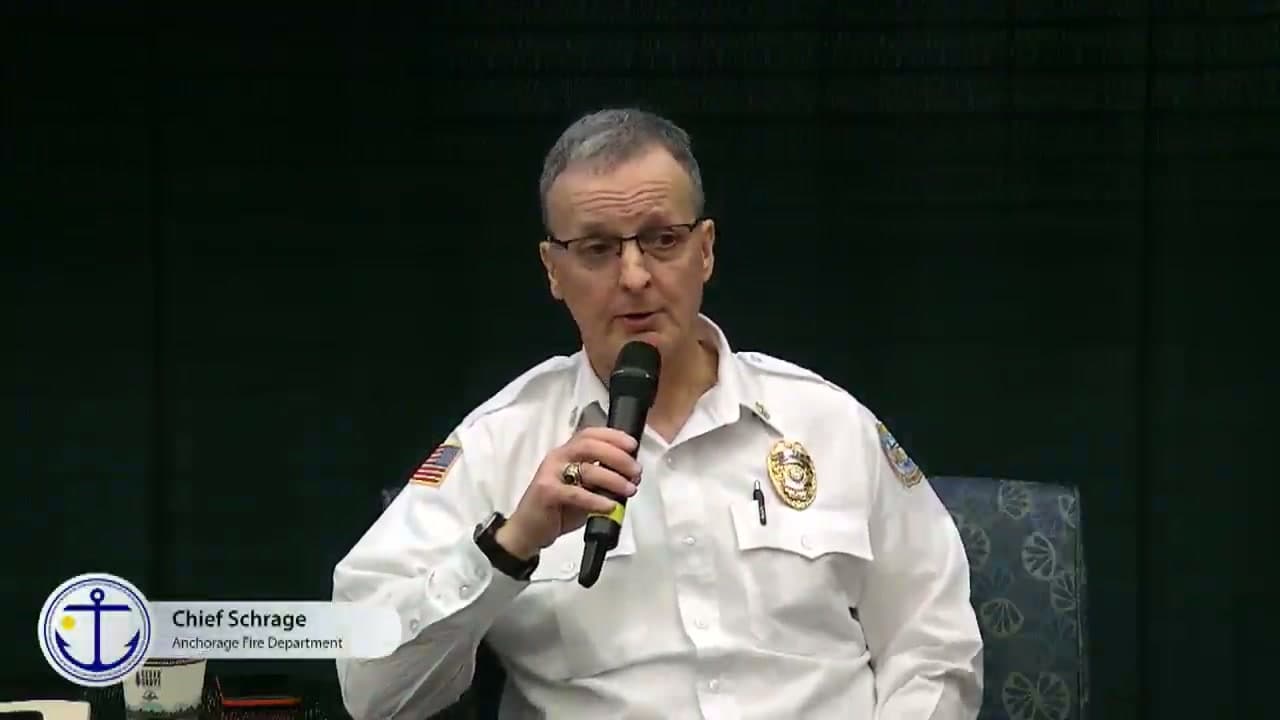
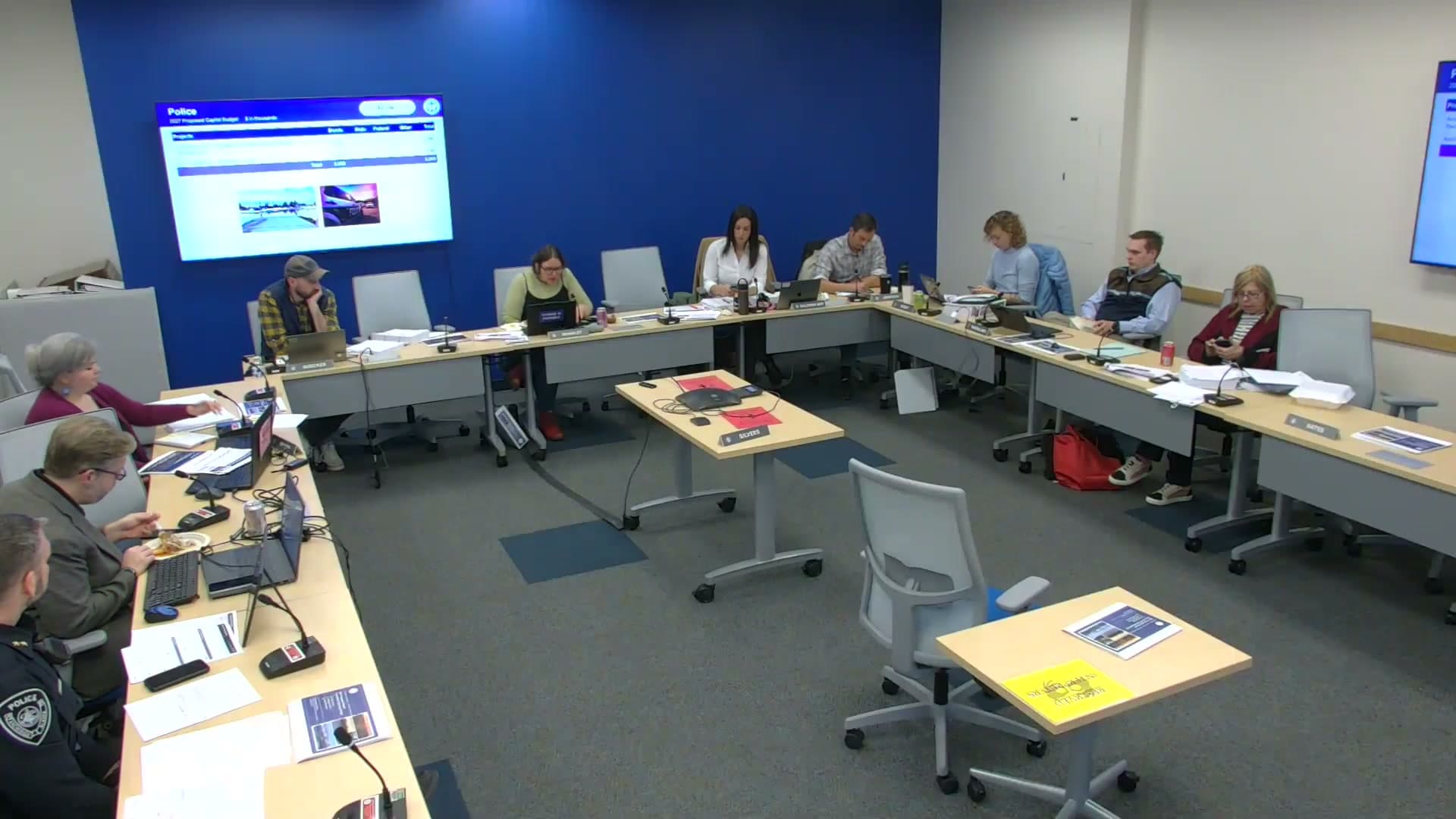
Frame from "Anchorage Assembly: MOA Fiscal Future Summit" · Photo source
Anchorage mayor says regular budget process alone won't close 2028 budget gap
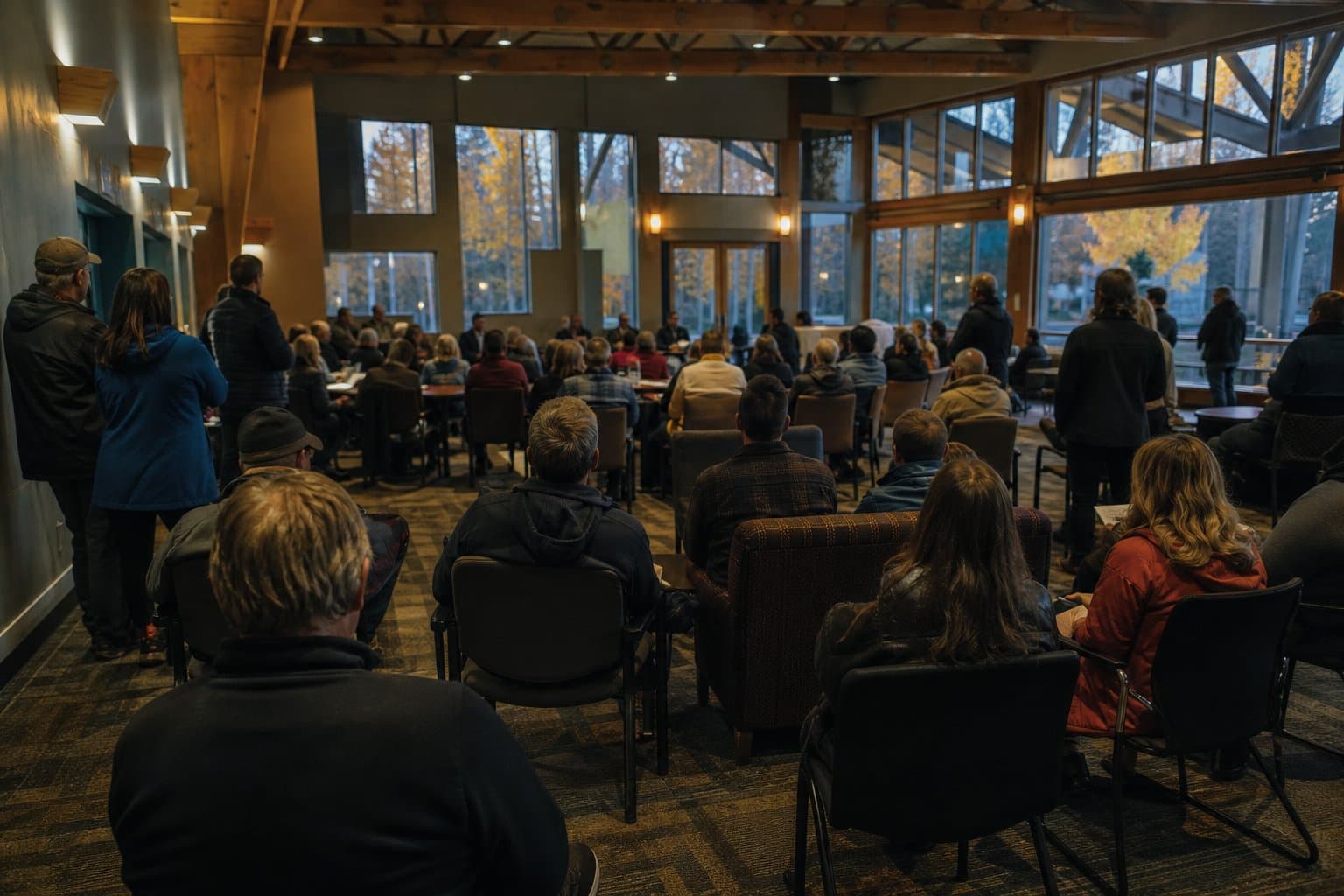
Mayor Suzanne LaFrance told an Assembly-hosted summit Friday that Anchorage will not close its 2028 budget gap through the regular budget process alone. She asked residents to help decide which city services to keep and how to pay for them.
"We need to have an honest community conversation about what services we expect from our municipal government, what we're willing to pay for them, and how we can deliver them more efficiently," LaFrance said at the Fiscal Future Summit at the UAA Student Union.
The summit follows LaFrance's proposed $692.5 million 2027 budget, which Alaska News reported Oct. 3, along with her warning of a 2028 fiscal cliff. LaFrance said the city faced an almost $15 million shortfall for 2027. It cut about $1 million in vacant positions and used $12 million in one-time money to close it. That money won't be available next year, she said, and the projected gap nearly doubles in 2028. The city's 2027 proposed budget overview puts the 2028 gap at about $30 million.
The Assembly holds its second public budget hearing Nov. 4 and is scheduled to vote on the 2027 budget Nov. 17.
LaFrance said the city is bound by the voter-approved tax cap while costs rise for health insurance, shipping, fuel, heating and construction materials. Labor contract costs keep climbing, and alcohol and cannabis tax revenue has declined. Assembly Chair Anna Brawley said voters enacted the cap in 1983. It limits the budget to last year's total, adjusted for inflation, population change and new construction. Brawley said growth under the cap has not kept up with the actual cost of running the city.
On a later panel, Municipal Manager William Falsey said, "I think we are somewhat out of rabbits to pull out of hats." Ona Brause, director of the Office of Management and Budget, said departments were asked to describe 5% cut scenarios. Police Chief Sean Case said a 5% cut would mean cutting staff, including clinicians, school resource officers and the mobile intervention team. "Cuts will happen unless we choose the path that we want to take here," Brause said.
Assembly Member Erin Baldwin Day, who represents Midtown, said the Assembly cannot change the tax cap on its own because it is in the city charter. Any change needs eight Assembly votes to reach the April ballot, then voter approval. The Assembly created its fiscal future initiative Sept. 1, and the effort is set to continue into 2027.
This article is based on a public meeting of Municipality of Anchorage — Anchorage Assembly: MOA Fiscal Future Summit ().
Made by our human newsroom with AI. How humans and AI work here · Grow with our newsroom Transcript byWalter AlaskaNews
Stay informed. Support what matters.
Free local news you can verify. Support Walter AlaskaNews and go ad-free.







Comments
Sign in to leave a comment.
No comments yet. Be the first to share your thoughts.