Cale Green with Alaska News
Perez-Verdia proposes a police committee he'd chair as surveillance rules return
Editor’s note: This story was updated with more on how the committee would work and its timing alongside the surveillance ordinance.
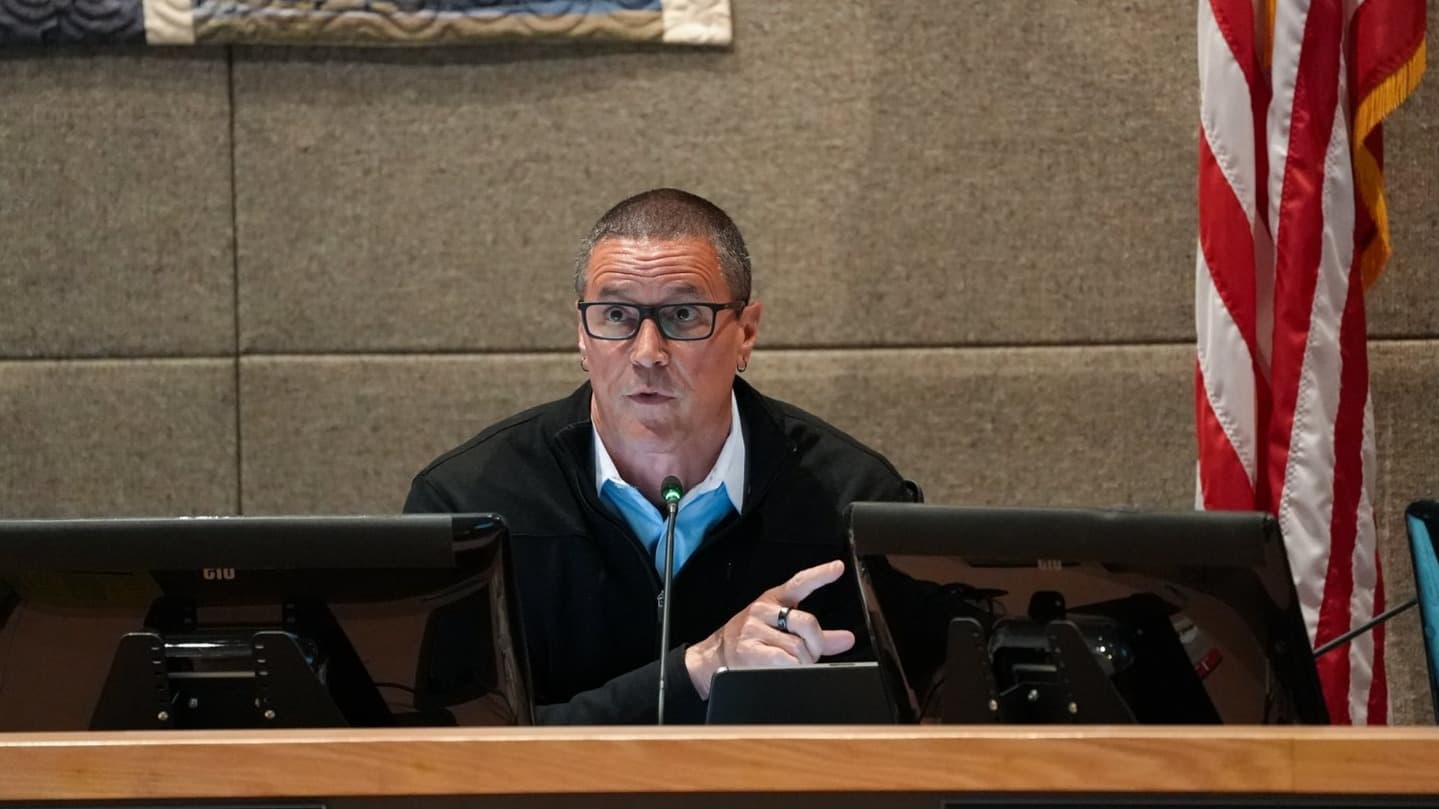
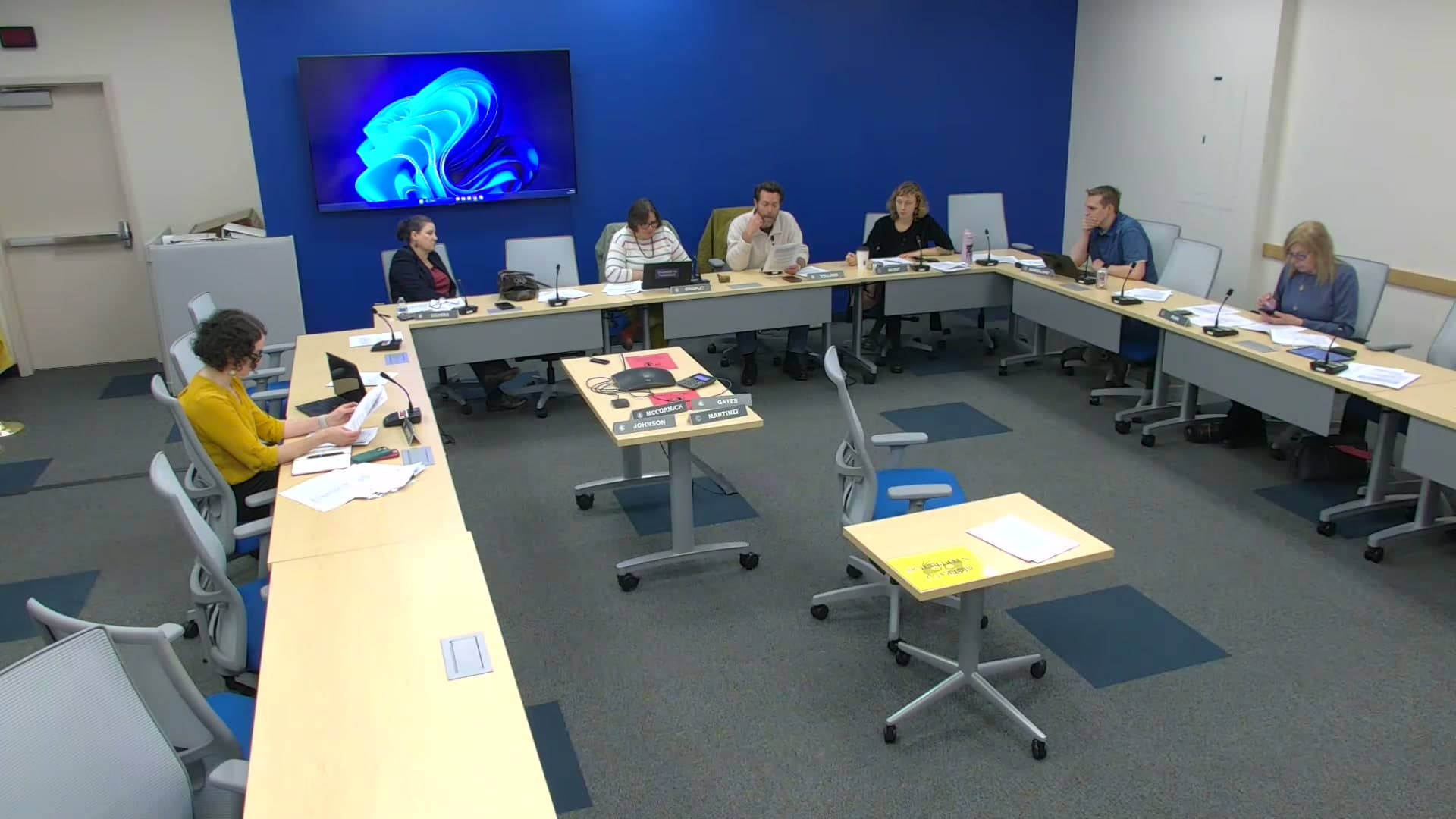
Anchorage Assembly Member Kameron Perez-Verdia has proposed a yearlong committee, with himself as chair, to review police policy, including which rules for the department's surveillance network belong in city law.
His resolution is on the consent agenda for Wednesday's Assembly meeting, so it does not get a public hearing. It was added after the agenda was first posted.
People can send written comments beforehand. Spoken comments are taken at the end of the meeting, after the consent agenda vote.
That same night, the Assembly is scheduled to take up some of the surveillance rules the committee would study.
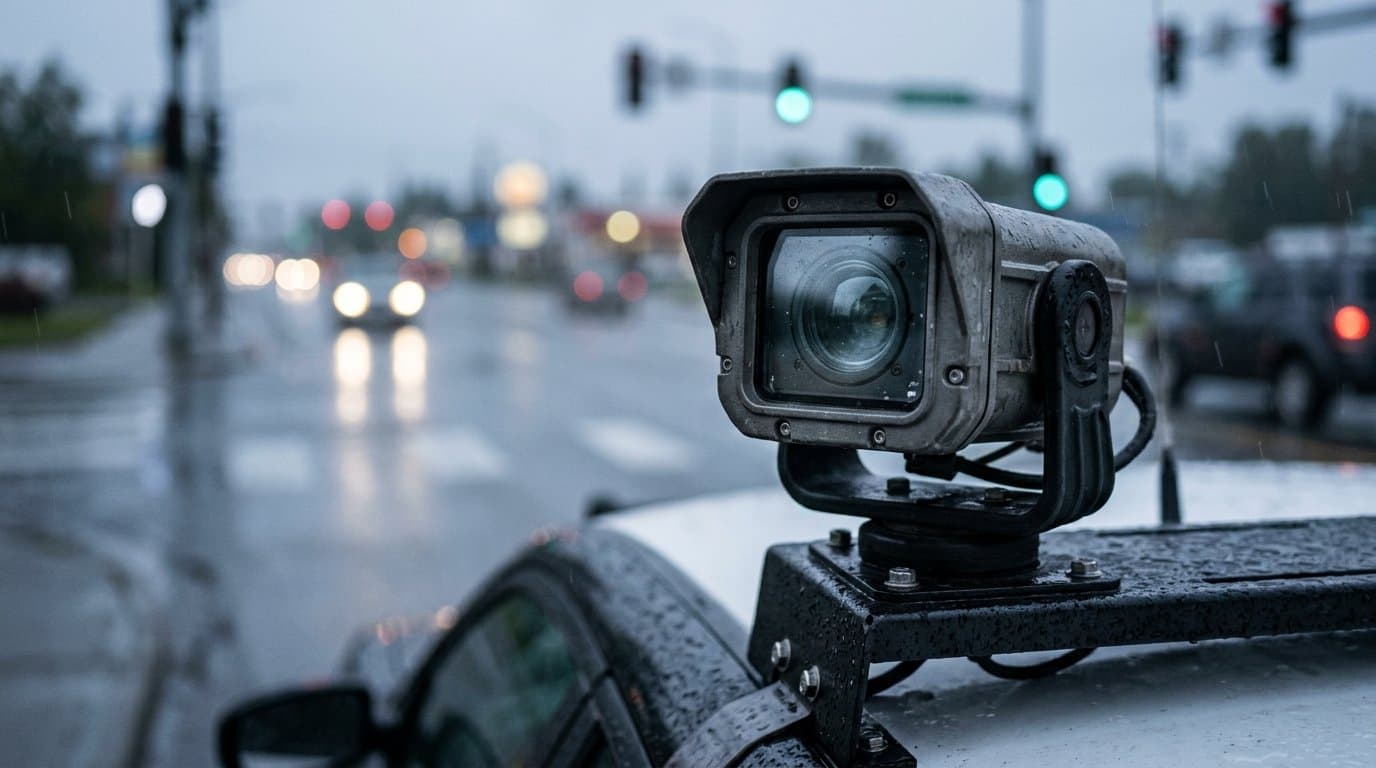
A rule written into city code takes an Assembly vote to change. A police policy can be changed by the chief. The rules specific to the Anchorage Police Department's Real-Time Crime Center, which can draw on up to 750 camera feeds, and its license plate readers are department policy now.
The ordinance coming back Wednesday would put some of those limits into code. It has already had its public hearing; the Assembly closed testimony Sept. 15.
An amendment from Vice Chair Daniel Volland and Assembly Member Sydney Scout is pending on the floor. It would require plate reader data and crime center video and other data to be deleted within 14 days, unless it is saved as evidence or for another listed reason.
Mayor Suzanne LaFrance's version of the ordinance leaves that period to police policy. The Assembly postponed the ordinance Oct. 20 after running out of time.
The committee would take on the same kind of question. The ordinance debate "raised important questions about which rules governing police technology belong in Anchorage Municipal Code, which belong in APD policy, and which may be implemented as operational practices," the resolution says.
The resolution does not postpone or replace the ordinance. The Assembly can still act on it Wednesday, and delaying it again would take a separate vote.
The committee could recommend changes to city code or police policy but could not make them. It would meet in public at least once a month, report to the Assembly every three months and issue a final report at the end of its year. The Assembly could end or extend it by resolution.
At least three other Assembly members would be picked by the Assembly chair. The police chief, the municipal attorney and someone from the mayor's office are invited to take part.
Perez-Verdia and the chief would set the schedule together. At each meeting, police employees who do the work would present real-world examples. The resolution lists the Police Department and the Department of Law among its reviewers.
The committee would be "a more concentrated effort rather than intermixing that with the Public Safety Committee," Perez-Verdia said at an Oct. 7 Public Safety Committee meeting, where he previewed the plan.
In the ordinance debate, Perez-Verdia has argued that more time would produce workable rules and said Anchorage isn’t conducting mass surveillance. Under department policy, officers in the crime center can monitor public and private camera feeds, plate readers and drones during active incidents and investigations.
On Oct. 20, he tried to restore wording that would have made it harder for the Assembly to suspend police use of a surveillance tool. That effort failed on a 6-6 tie.
The committee would also follow how police carry out recommendations from 21CP Solutions, the outside firm that reviewed the department's use of force, and from a review of a 2024 police shooting. The firm's final report, released Sept. 2, made more than 50 recommendations and found use-of-force incidents fell 17% from 2022 to 2024.
The city bought the surveillance system before writing rules for it into code. The Assembly approved an $11.8 million contract with Axon Enterprise in September 2025 that included the crime center, plate readers and drones. The chief adopted policies for them in February.
A proposal for a police oversight body, already stripped of any power to investigate, died for lack of a second this summer.
Source: Anchorage Municipal Assembly, Anchorage Municipal Assembly: AR 2026-328_APD ADHOC COMMITTEE_KPV_FINAL.DOCX — Resolution No. AR 2026-328, a resolution of the Anchorage Assembly establishing an Ad Hoc Assembly Committee on Anchorage Police Department policies an.
Made by our human newsroom with AI. Reviewed by Cale Green. How humans and AI work here · Grow with our newsroom
Get Alaska News in your inbox
The day’s top stories, around 6 each morning, in a few minutes’ read. Free, and every email has a one-click unsubscribe.










Comments
Sign in to leave a comment.
No comments yet. Be the first to share your thoughts.