Cale Green (Alaska News)
Anchorage Assembly members propose mandatory jail for repeat public intoxication
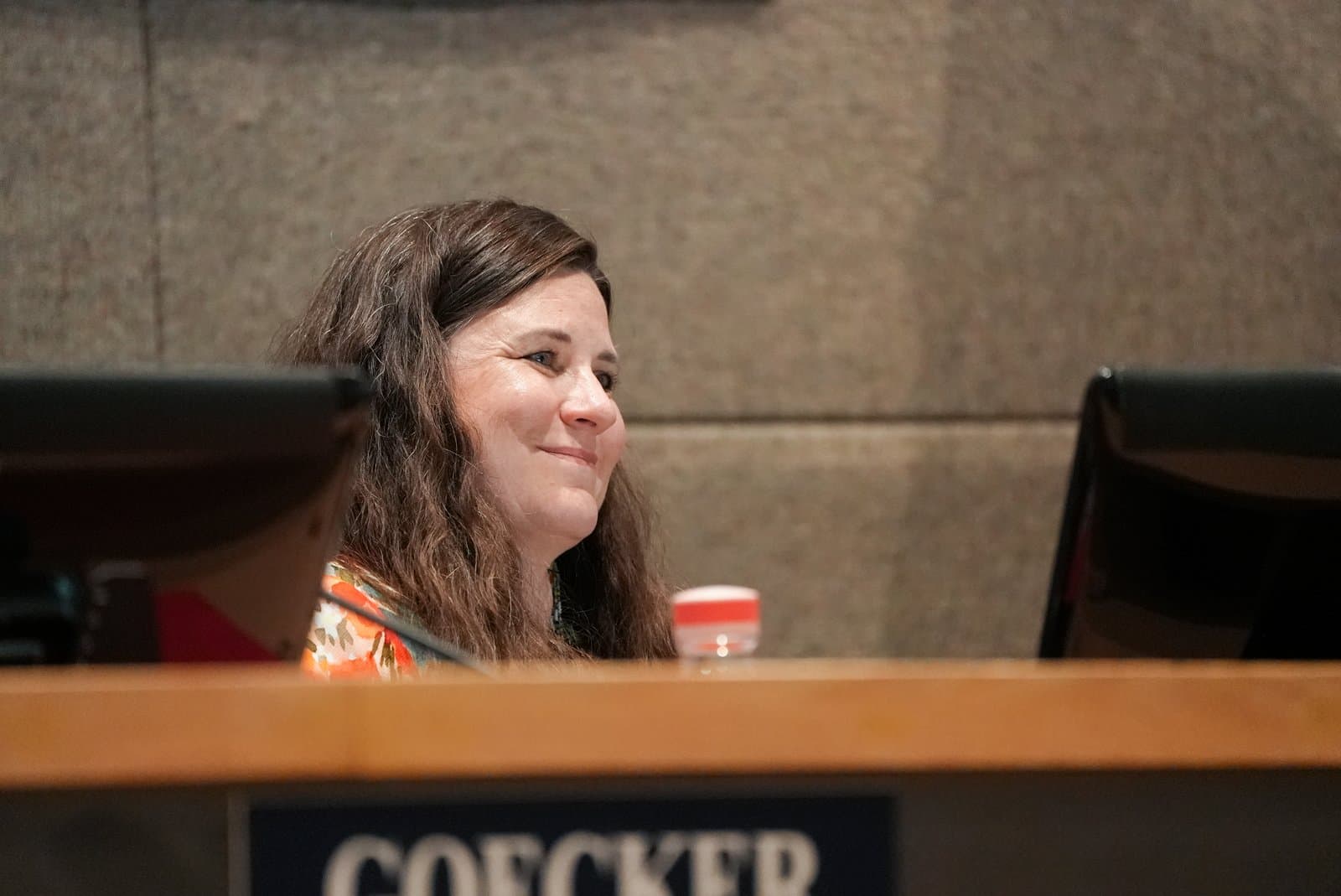
Anchorage Assembly members Yarrow Silvers of East Anchorage and Janice Park of Midtown are proposing mandatory jail time for people repeatedly convicted of public intoxication, along with minimum sentences for drug possession cases the city prosecutes.
The ordinance is set for introduction Wednesday, Nov. 4, with a public hearing Nov. 17.
Anchorage made public intoxication a crime in February, when the Assembly passed Mayor Suzanne LaFrance's public-space ordinance 11-1. It is a class B misdemeanor, with up to 90 days in jail and sentencing left to the judge, according to a police department presentation.
The new proposal would make it a class A misdemeanor and set minimum penalties. As now, it would apply only to people who refuse a ride from a public safety agency, such as police, the fire department or the Anchorage Safety Patrol, to their home, a treatment or health care facility or, for adults, a detention facility.
A first conviction would bring at least a $250 fine. A second within three years would bring at least a $500 fine and three months in jail. A third within that time would bring at least six months in jail.
Judges could suspend the first two sentences for people who complete court-approved treatment, but not the third.
The proposal would widen where the charge applies. Sidewalks, parks, school grounds and government buildings such as libraries are covered now. The proposal would add roads, transit vehicles and transit centers.
It would also cover areas within 500 feet of schools, licensed child care facilities, playgrounds, recreation centers and sports fields, or any public place where a child under 16 is present, when someone's intoxication interferes with others' use of the space.
For drug possession, the ordinance would add minimum sentences to city code for fifth-degree drug misconduct, the misdemeanor that covers possessing most controlled substances.
A first conviction would bring at least 60 days in jail and a $4,000 fine, rising to 120 days and $5,000 for a second and 240 days and $6,000 after that. Judges could suspend the sentence for people who complete treatment, unless they have two or more prior convictions.
Silvers and Park wrote in a memo that the approach "combines increased enforcement with treatment-based alternatives intended to address underlying substance use disorders."
Source: Anchorage Assembly.
Made by our human newsroom with AI. Reviewed by Cale Green. How humans and AI work here · Grow with our newsroom
Stay informed. Support what matters.
Free local news you can verify. Support Walter AlaskaNews and go ad-free.












Comments
Sign in to leave a comment.
No comments yet. Be the first to share your thoughts.