
Editorial map (Gemini + Google Maps)
Anchorage Assembly chair would cut crime victim grants to shift pre-K to alcohol tax
Anchorage Assembly Chair Anna Brawley wants to move half the cost of the school district's pre-K program back onto the city's alcohol tax, and pay for it by eliminating the tax's grants to three groups that serve crime victims.
Abused Women's Aid in Crisis, Standing Together Against Rape and Victims for Justice would each lose $225,000 under her proposed amendment to the 2027 budget, what Brawley called "a full defund."
Four other grants would be trimmed, for $1 million in all: $100,000 each from Catholic Social Services' complex care program and Christian Health Associates, $75,000 from Covenant House and $50,000 from the Anchorage Coalition to End Homelessness.
Anchorage voters approved the alcohol tax in 2020. The city lists its purposes as supporting first responders, efforts to combat sexual assault and domestic violence, substance misuse treatment, and preventing and addressing homelessness.
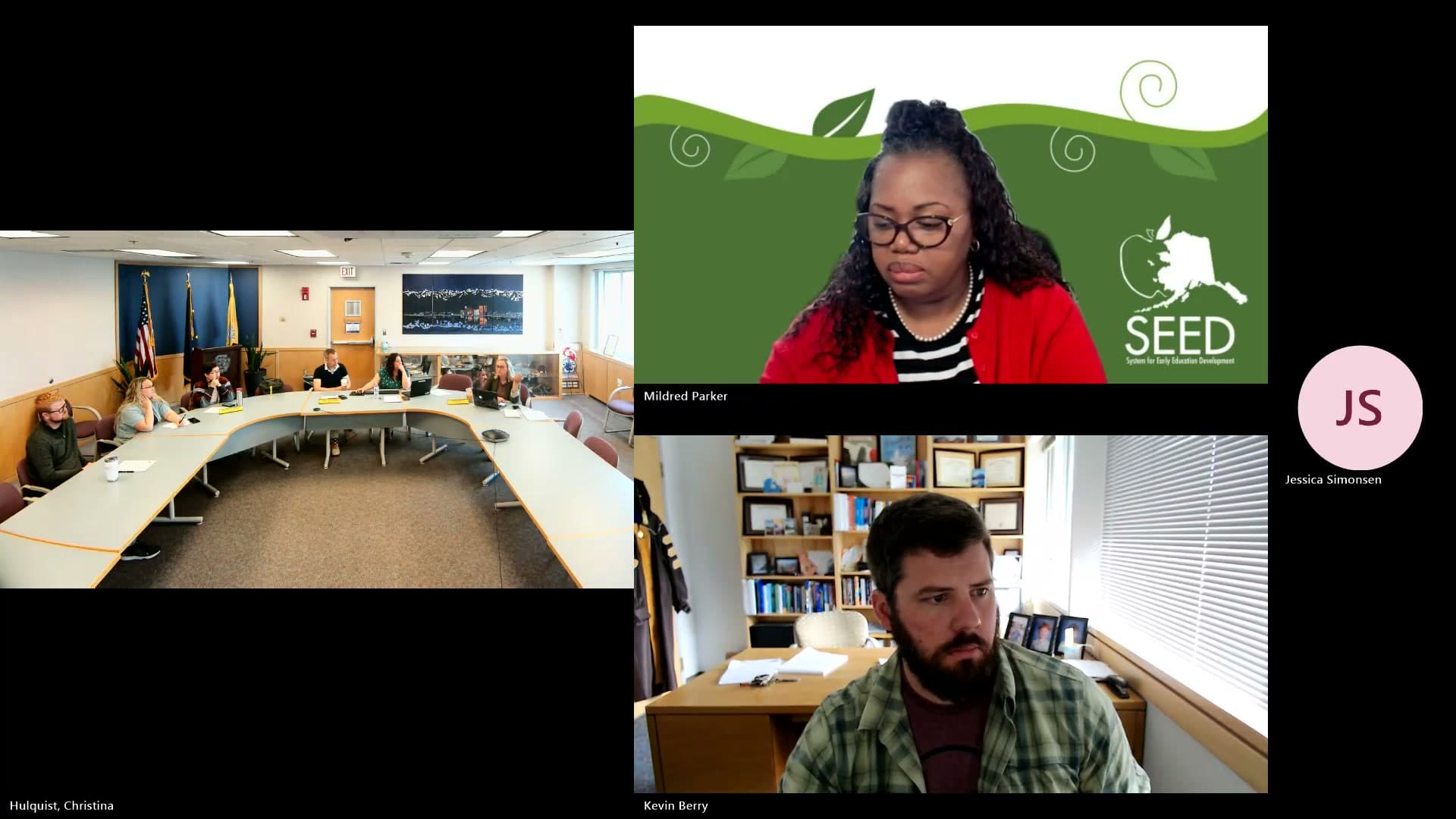
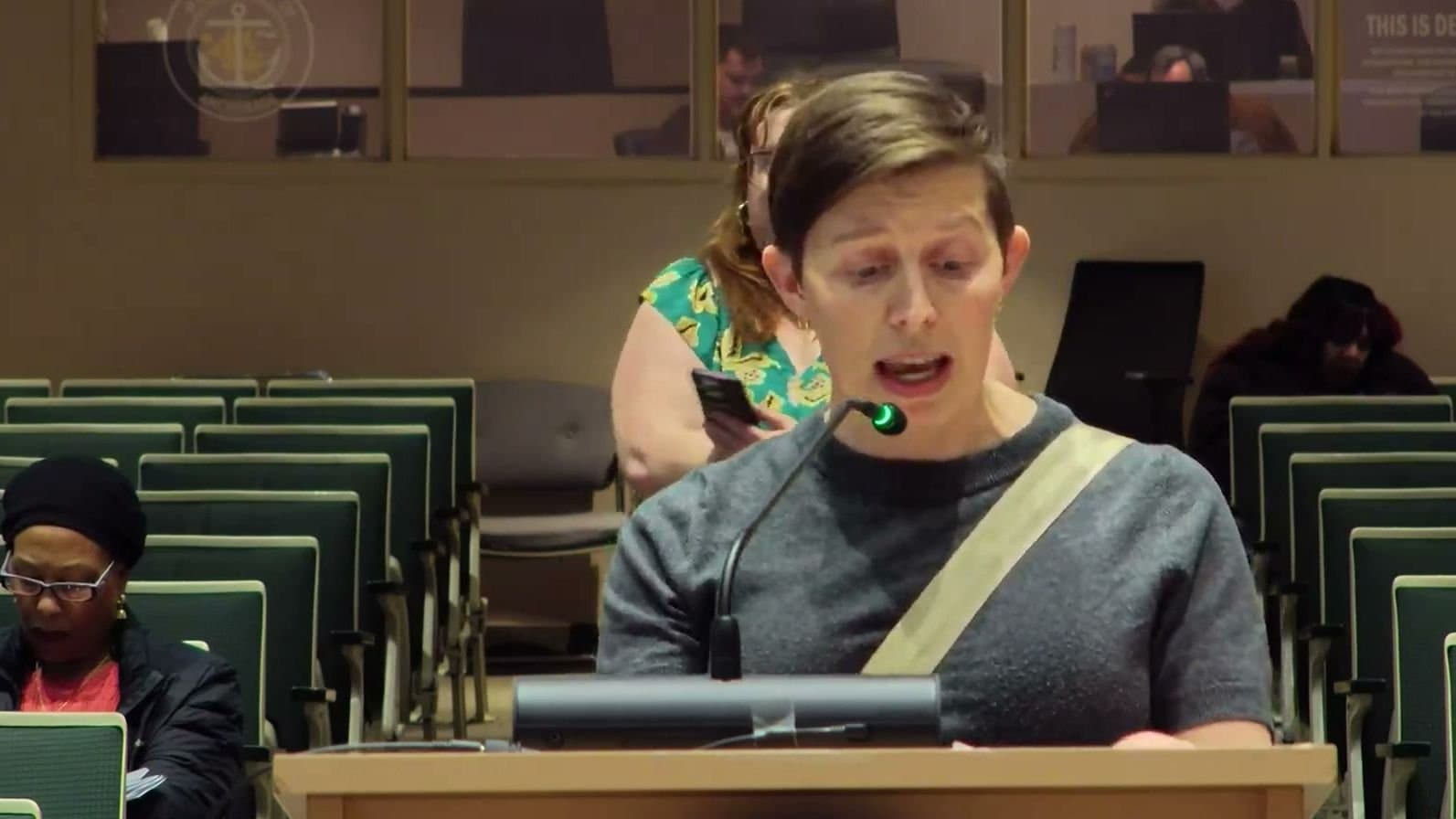
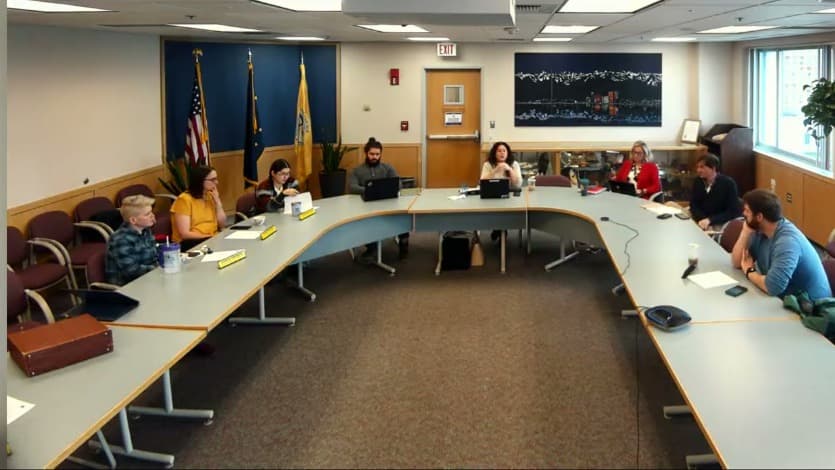
Brawley laid out the idea at a budget work session Friday, two days after alcohol tax advocates asked the Assembly to put pre-K back on the tax. "I have not communicated with these organizations," she said of the three victim-service groups. She said the proposal "may change by the time we get to the 17th," when the Assembly votes on the budget.
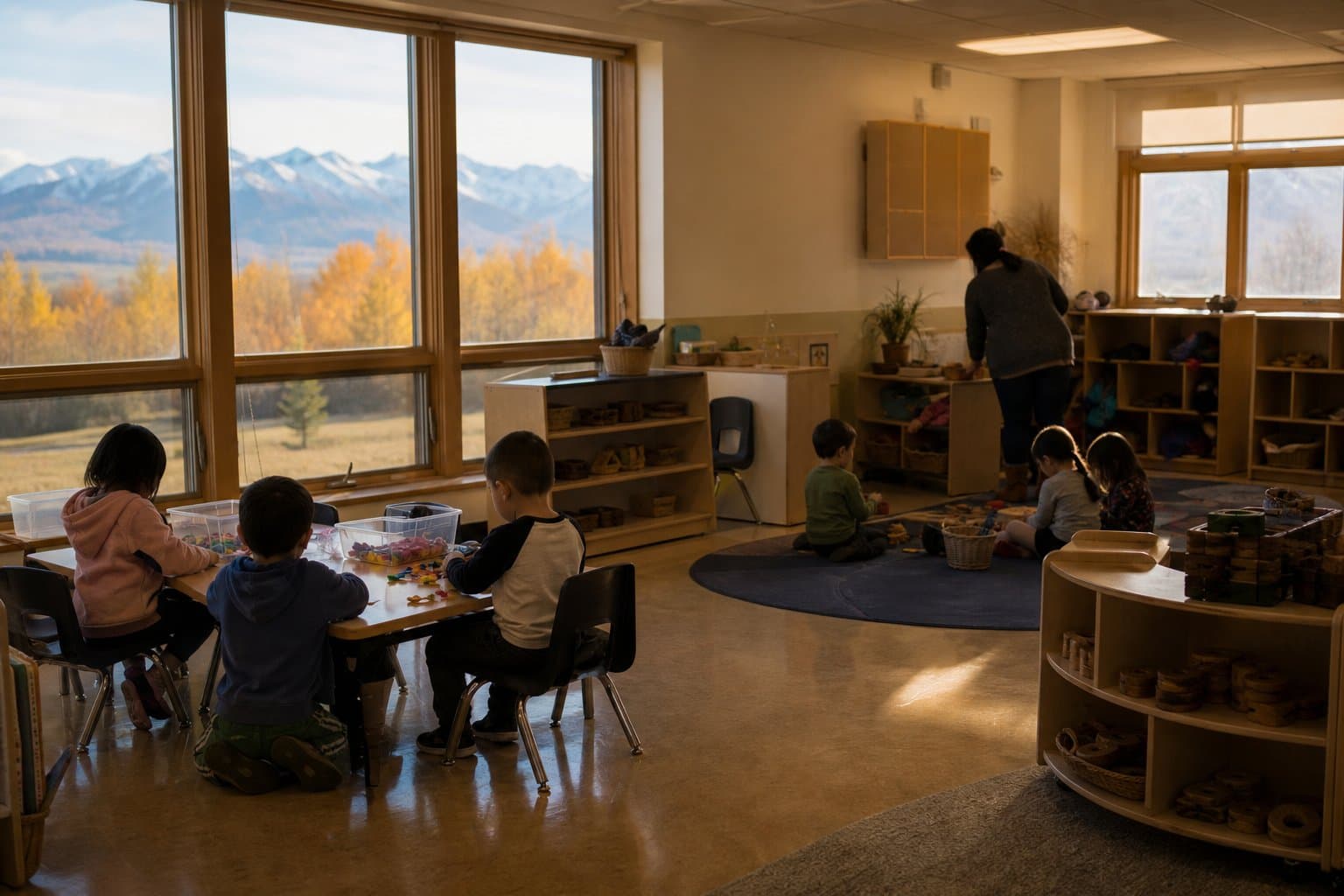
The pre-K money, about $2 million a year for classrooms in Title I schools, came from the alcohol tax from 2021 through 2024. The city then moved it to the marijuana tax, which voters in 2023 dedicated to child care and early education through the ACCEE Fund. That fund's board has asked Mayor Suzanne LaFrance to move pre-K off the marijuana tax so it can put more money into child care providers. Brawley wrote that voters likely meant the fund to pay for new things, not existing ones.
On Wednesday, leaders of Recover Alaska and the Alaska Children's Trust, which helped pass the alcohol tax, asked the Assembly to return pre-K to the alcohol tax and to steer more of the tax toward prevention and treatment. Teresa Wrobel of the Children's Trust said the 2027 proposal puts 12.9% of the tax toward prevention, which is the budget's share for child abuse, sexual assault and domestic violence. Grants to providers in that category already drop to $1 million from $1.5 million in the mayor's budget.
Brawley's amendment frames the three victim-service grants differently. It says she doesn't intend "to minimize the work of these organizations," but it does "call into question the continued prioritization of emergency response over upstream prevention."
She moved half the cost, not all of it, because the alcohol tax offers few places to find the money, and "they are all hard choices," she said. The tax has no fund balance, and she said its revenue may decline. The only other line big enough to cut was shelter funding, she said. "I made a choice to not do that," she said. The amendment would leave about $1 million in marijuana tax money unassigned.
Vice Chair Daniel Volland asked whether she had considered dropping the city's pre-K funding entirely. The budget year starts Jan. 1, halfway through the school year, Brawley said, so "$1 million is one semester, essentially." Could the school district absorb the cost on its own? "Definitely not, not with the funding they have," she said.
Assembly Member Janice Park has her own amendments that also draw on the three victim-service groups. Each would take $25,000 from each group, $150,000 in all. One would give $75,000 to the Alaska Children's Trust for a youth violence-prevention campaign with the school district, including the Be SMART gun-storage program and gun locks. The other would give $75,000 to Recover Alaska for an alcohol harm prevention plan and outreach for its peer support line. "Prevention saves you money over treatment," Park said.
Assembly Member Sydney Scout questioned naming grant recipients in the budget instead of seeking competitive bids. "I think we're starting with a solution here," she said.
Some members said they wanted more time on the larger question. "I think in a resource-constrained environment, we have to be willing to bite off really big, hard questions," Assembly Member Erin Baldwin Day said.
What did you make of this story? (no account needed)
Made by our human newsroom with AI. Reviewed by Cale Green. How humans and AI work here · Grow with our newsroom ·
Get Alaska News in your inbox
Create your free account and get the day’s top stories around 6 each morning, in a few minutes’ read.
Top stories, around 6 each morning.
Stories on what you follow, on Sundays.
Source: Municipality of Anchorage, Municipality of Anchorage: WorksessionFY2027PacketUpdated.









Comments
Sign in to leave a comment.
No comments yet. Be the first to share your thoughts.