
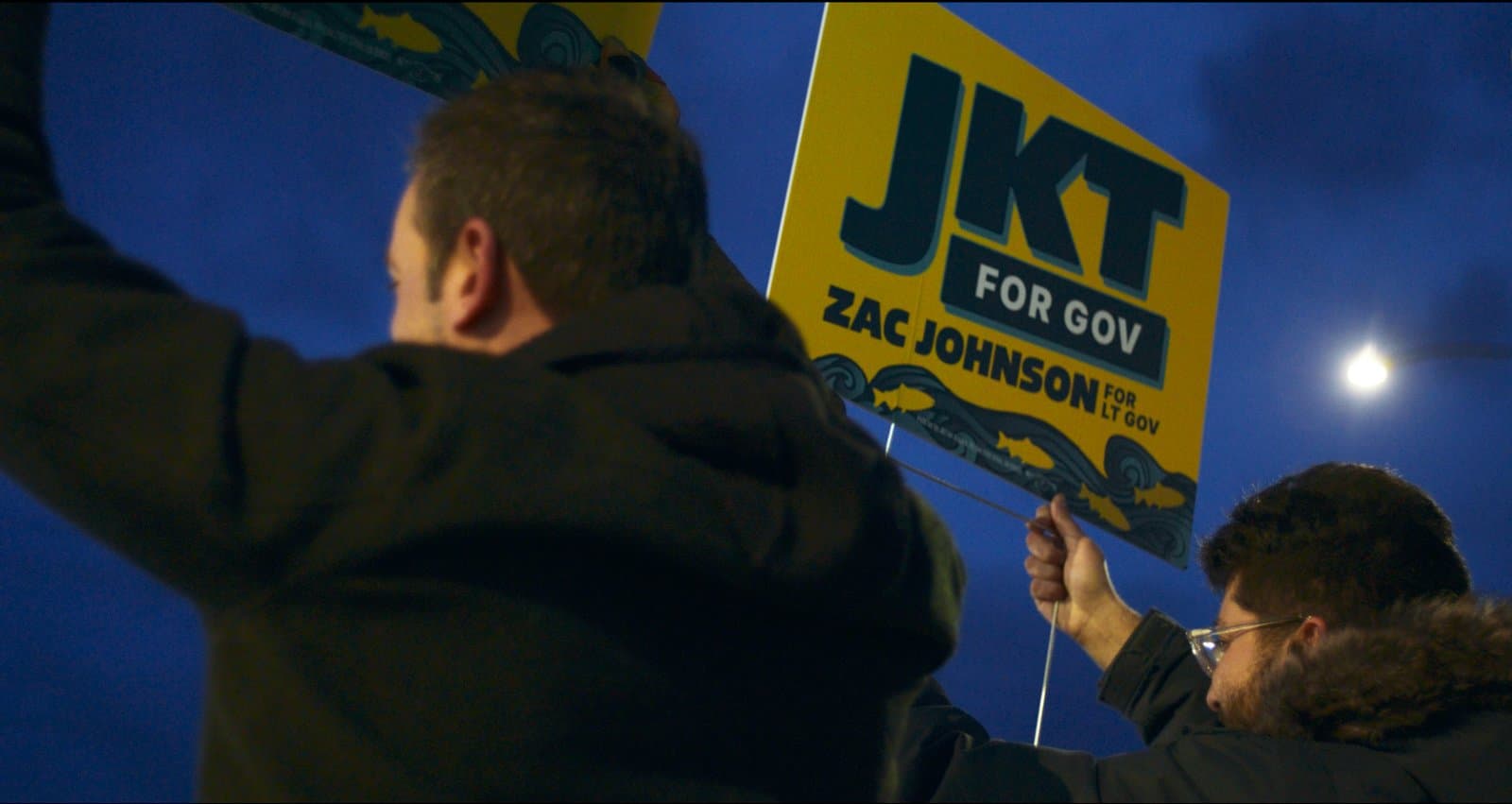
AI generated illustration
Analysis: What 17 years of Kreiss-Tomkins' writing shows about how he thinks
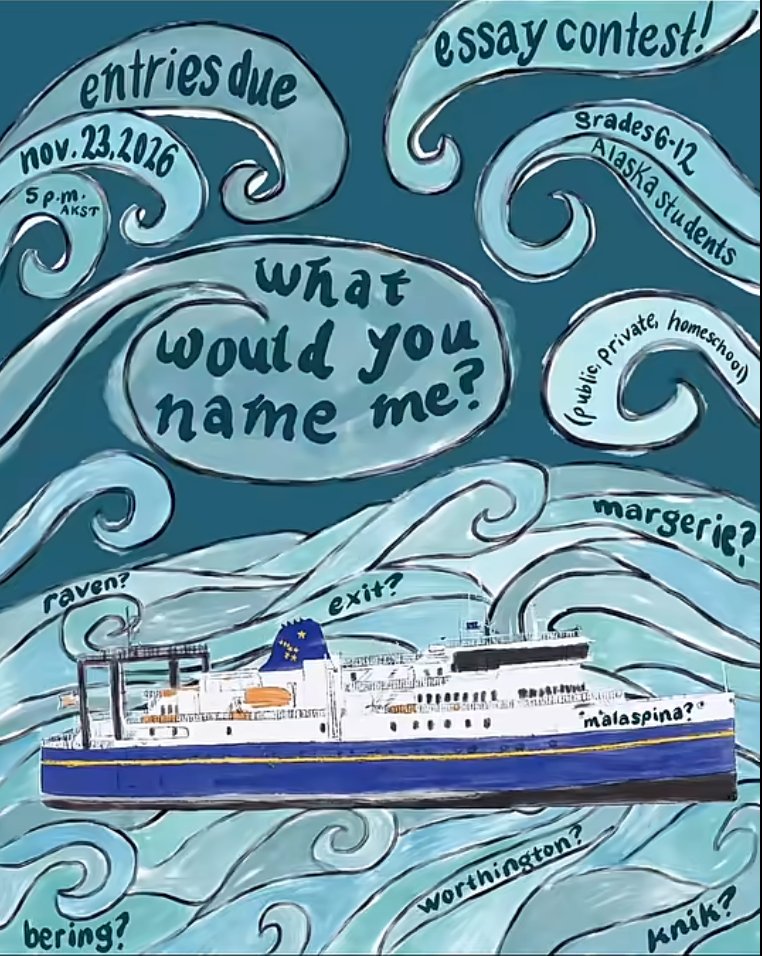
Jonathan Kreiss-Tomkins urged Alaska students Sunday to enter a state contest to name the ferry that will replace the Tustumena. His Facebook page added that he wrote the first Wikipedia article on the Tustumena in 2005, as a high school junior in Sitka.
Wikipedia's records match his claim. An account named Jonathan.s.kt created the Tustumena article in late November 2005 with the note "done with all the ferries!" Four months later, after writing up the Tustumena Glacier, it added: "Now every glacier for the AMHS vessels has been written!"
The account made more than 13,000 edits from 2005 to 2011, most of them small fixes, on topics from Baranof Island trails to Sitka's jazz festival. Its user page describes a Sitka resident named Jonathan who attended Yale, with interests ranging from mountaineering and glaciology to politics and "modes of transportation." The account went quiet in June 2011, the year before his first campaign.
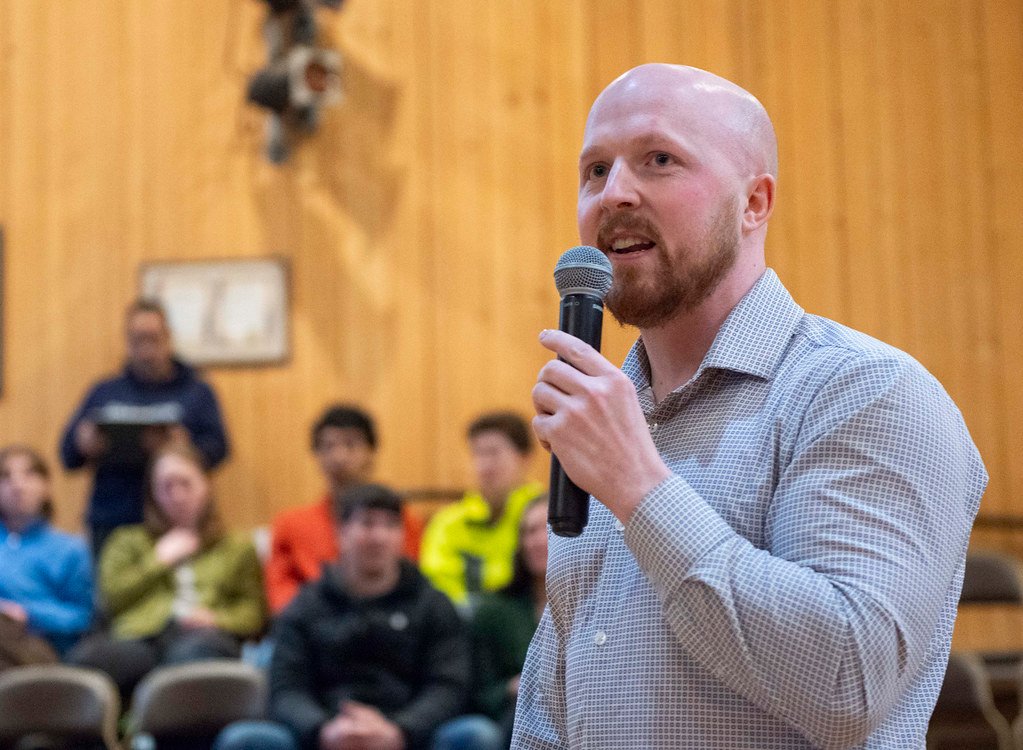
A campaign shows voters a candidate through debates, ads and short interviews built for the moment. To see how Kreiss-Tomkins thought before he ran for governor, Alaska News reviewed more than 30 pieces of his public writing from 2011 to 2022, along with that Wikipedia trail, and looked at which ideas have lasted and which arrived with the campaign.
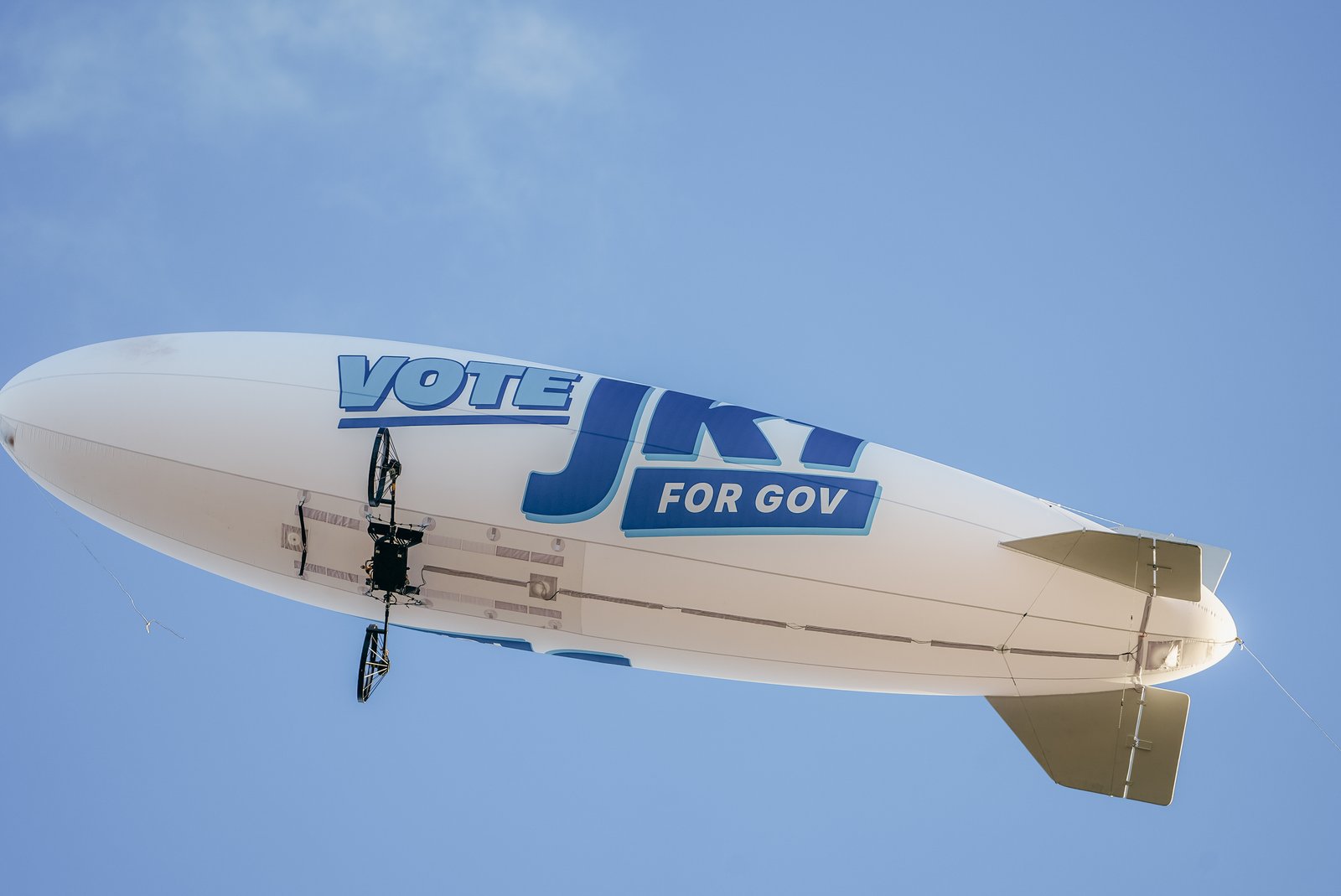
The most pointed piece is from 2019. Kreiss-Tomkins argued that Alaska's governor holds too much power over the state budget, and he introduced a proposed constitutional amendment to make the governor's budget vetoes easier to override. He is scheduled to take office at noon Dec. 7.
Power
Kreiss-Tomkins, then a Democratic state representative from Sitka, made the case in a July 2019 op-ed written the day after legislators failed to override Gov. Mike Dunleavy's 182 line-item vetoes, which cut $444 million from the operating budget.
Under Article II, Section 16 of the Alaska Constitution, overriding a veto of a budget or revenue bill takes three-fourths of the Legislature, or 45 of 60 members. Other vetoes take two-thirds, or 40. His resolution, HJR 15, would have set the bar at two-thirds for all of them. His sponsor statement said Alaska is the only state that requires three-fourths for budget vetoes.
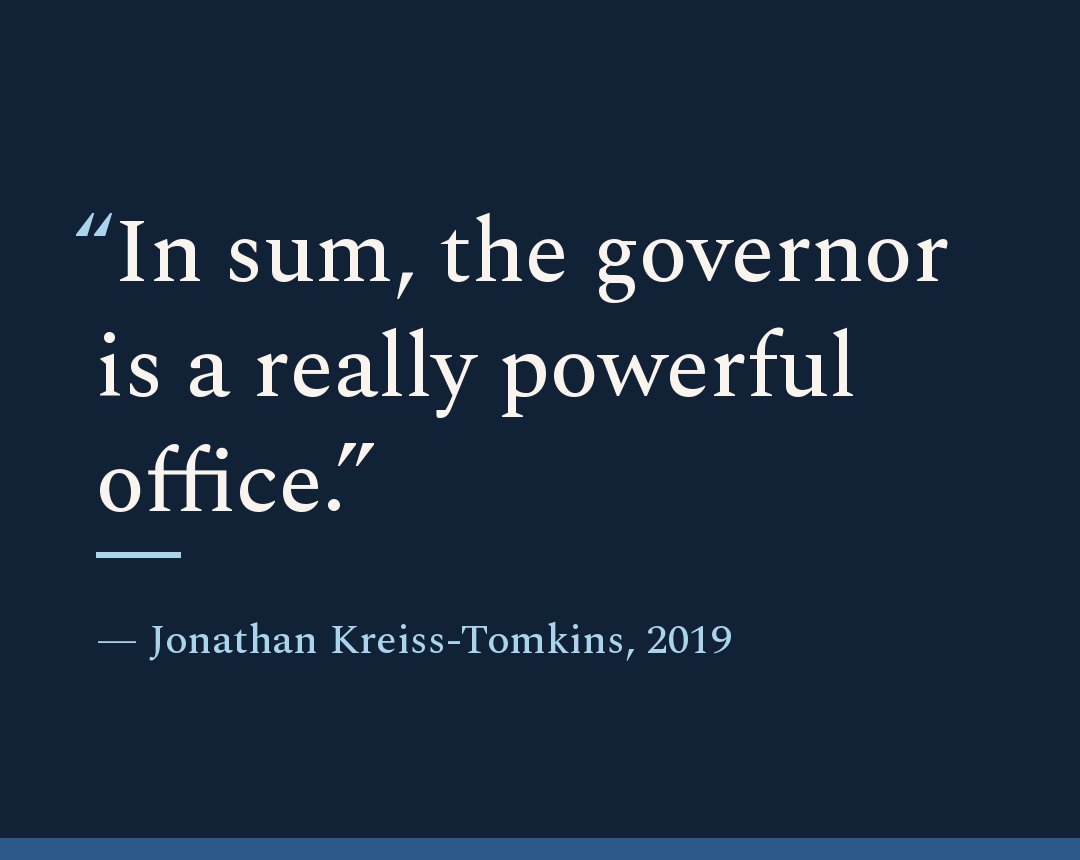
"In sum, the governor is a really powerful office," he wrote, pointing to the governor's power to appoint the entire cabinet and state boards and commissions and to have the biggest say over redistricting. He wrote that about 38 legislators supported an override; the joint session's official tally was 37, eight short of the 45 needed. He argued the rule lets a quarter of legislators keep a governor's cuts in place against the will of the majority.
He traced the rule to the minutes of Alaska's Constitutional Convention. Delegate George Sundborg of Juneau warned that a three-fourths bar would mean budget vetoes were never overridden, and he moved for a uniform two-thirds threshold. Steve McCutcheon of Anchorage argued that a strong executive needs strong control of the purse. Sundborg's motion failed on a voice vote. Kreiss-Tomkins wrote that he asked Vic Fischer, then the last surviving delegate, about HJR 15, and Fischer said he supported it.
The op-ed was also pointed. Kreiss-Tomkins wrote that governors of both parties had kept their use of the office's powers within normal bounds until Dunleavy, who he said got through most of the 2018 campaign without real public scrutiny.
HJR 15 reached the House Rules Committee in 2020 but never got a floor vote. He refiled it as HJR 9 in 2021. Sen. Matt Claman, an Anchorage Democrat who co-sponsored the 2019 version, introduced the same change in 2025 as SJR 2, with Republican Sens. Bert Stedman and Cathy Giessel among its co-sponsors. It passed the Senate 14-6 this March and went to the House Finance Committee in May, but the House never voted on it before the session ended. Claman's sponsor statement said that if the Legislature passed it, voters would have decided it in this month's election.
Governors have no formal role in amending the constitution. Under Article XIII, an amendment needs a two-thirds vote in each chamber and then a majority of voters at a general election.
Legislators have cleared the three-fourths bar before. They overrode Dunleavy's vetoes in the 2025 operating budget that August.
Kreiss-Tomkins' first budget is due Dec. 15, eight days after he takes office, as Alaska News reported when he named his transition co-chairs. Whether he still wants a governor's budget vetoes to be easier to override, now that they'll be his, is the most direct question his writing raises.
Roots
The review covered 18 constituent newsletters from 2013 to 2016, eight newspaper op-eds, most of them co-written, sponsor statements for his bills, a 2021 fiscal report he helped lead and two pieces from his years at Yale.
Alaska News compared that writing with his official candidate statement for this year's race. He told readers in an August 2013 newsletter that he writes his newsletters himself; sponsor statements come out of a legislator's office and may be written by staff. Most of it is writing he chose to publish, so it is not a full record of his decade in the House.
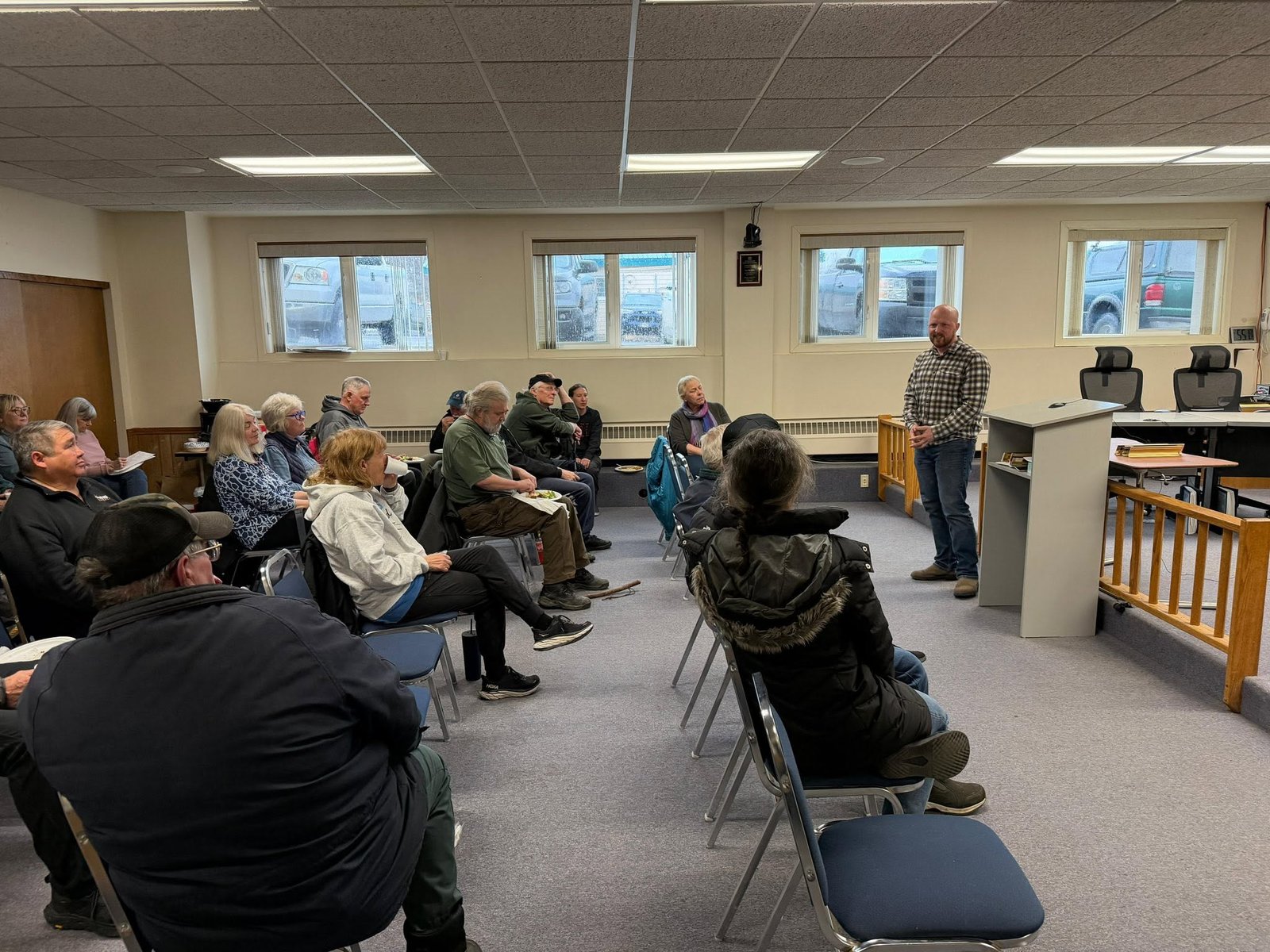
A few habits run through the writing. He checks other people's math, including governors' and oil companies'. He treats how a decision gets made as a question of fairness. He builds alliances one issue at a time, often with Republicans, while holding Democratic positions on oil taxes, Medicaid expansion and school vouchers. And the figures he leans on are mostly Alaskans: former Govs. Jay Hammond and Wally Hickel, Sundborg and Fischer. In a July 2013 newsletter, he called Hammond "a statesman" and his role model.
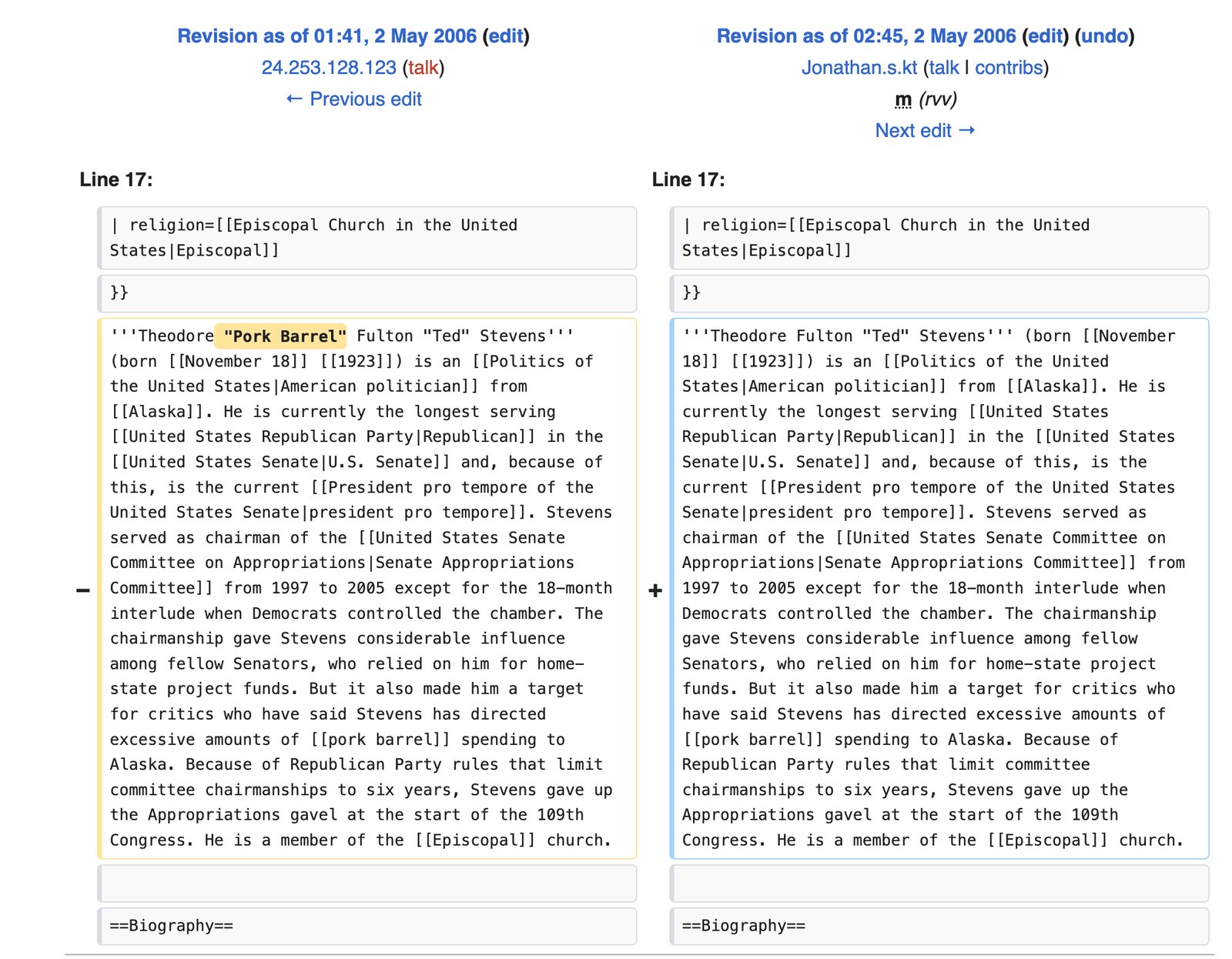
Some of those habits show up in his Wikipedia work as a teenager. In 2006 and 2007, he repeatedly cleaned vandalism off the page of Republican U.S. Sen. Ted Stevens, removing a "Pork Barrel" nickname slipped into Stevens' name, jokes about his 2006 description of the internet as a series of tubes, and plain insults. He left the page's criticism of Stevens in place and tidied its criticism section.
He did the same on Gov. Sarah Palin's page, removing a vandal's line about her looks and, in 2007, what he called "rampant speculation" that she might run for higher office. When he got something wrong himself, his edit notes said so. Fixing a page title he had misspelled, he wrote: "Typo in title. My bad!"
Several of his campaign promises have deep roots in his legislative writing. His candidate statement this year promised a "fish first" governor who would reduce bycatch, fish such as halibut that trawlers catch by accident while targeting something else, and stop the Pebble Mine.
He wrote against trawl bycatch in his third newsletter, in March 2013, and that July he wrote that he was no fan of Pebble. His pledge to protect Medicaid expansion goes back to 2015, when he named the lack of it as his loss in that year's budget compromise. Other promises don't appear in the writing Alaska News found, including getting cellphones out of classrooms, making child care businesses easier to start and lowering electric bills. The 2019 veto proposal isn't in the statement.
Money
His writing on paying for state government holds steady for most of a decade: he argued that Alaska gave oil producers too much through tax cuts and credits, and that new revenue had to accompany budget cuts. In 2013, he opposed the oil tax cut known as SB 21 and called its passage by the Senate a tragedy
In a June 2013 newsletter, he wrote that the state's surplus years were over: "This is unwelcome yet inescapable arithmetic." That December, when the state expected $2 billion less in oil revenue than forecast, he wrote that the 3% drop in oil through the pipeline and 5% drop in prices Gov. Sean Parnell pointed to couldn't add up to $2 billion, and that the bigger reason was oil companies reporting higher expenses.
The exception is a 2014 candidate questionnaire from his House reelection race, in which he said the state should wait to see whether a natural gas pipeline got built before turning to taxes or the Permanent Fund, and tighten its belt in the meantime. Three months later, after the price of Alaska oil fell to $47.28 a barrel, his newsletter called the state's position "fiscal apocalypse." It showed that eliminating state money for K-12 schools, Medicaid and the university would still leave a $500 million gap, and it said the state needed both cuts and new revenue.
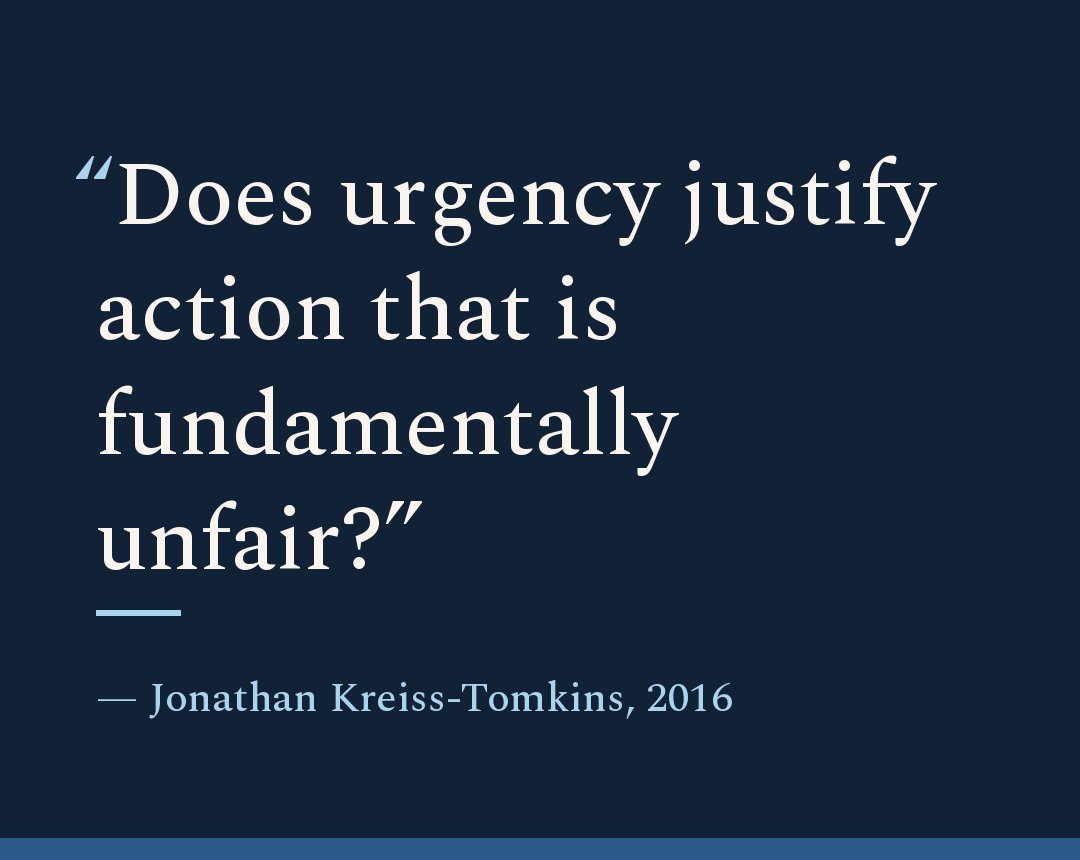
In 2016, he and Reps. Andy Josephson and Ivy Spohnholz, both Anchorage Democrats, wrote that the $775 million in cash oil and gas tax credits the state would pay that year was more than the combined budgets of the court system and the departments of Corrections, Military and Veterans Affairs and Fish and Game. In a June 2016 newsletter, he called the Legislature's failure to pass Gov. Bill Walker's fiscal plan, which included an income tax, bad for Alaska. He argued the credits had to be cut too, as a matter of fairness, and wrote that the same objection would apply to subsidies for any industry, organic farmers included.
In 2021, he and Sen. Lyman Hoffman of Bethel co-led a bipartisan Fiscal Policy Working Group whose final report recommended the Legislature work toward $500 million to $775 million a year in new revenue as part of a comprehensive plan. Instead of handing lawmakers a finished plan, the group set out what it called a "solution strike zone."
His campaign this year kept the oil piece but was less specific about the rest. At a September forum, he paired budget cuts with targeted revenue: applying the corporate income tax consistently across major oil producers, collecting tax on online sales and discussing broader-based revenue with the Legislature, Alaska News reported. He also supported targeted royalty reductions and called for a dividend that doesn't overdraw the Permanent Fund. He didn't propose an income tax or name a revenue target, according to that account, and his candidate statement doesn't mention taxes at all. Its pitch on money is lowering everyday costs.
Cooperation
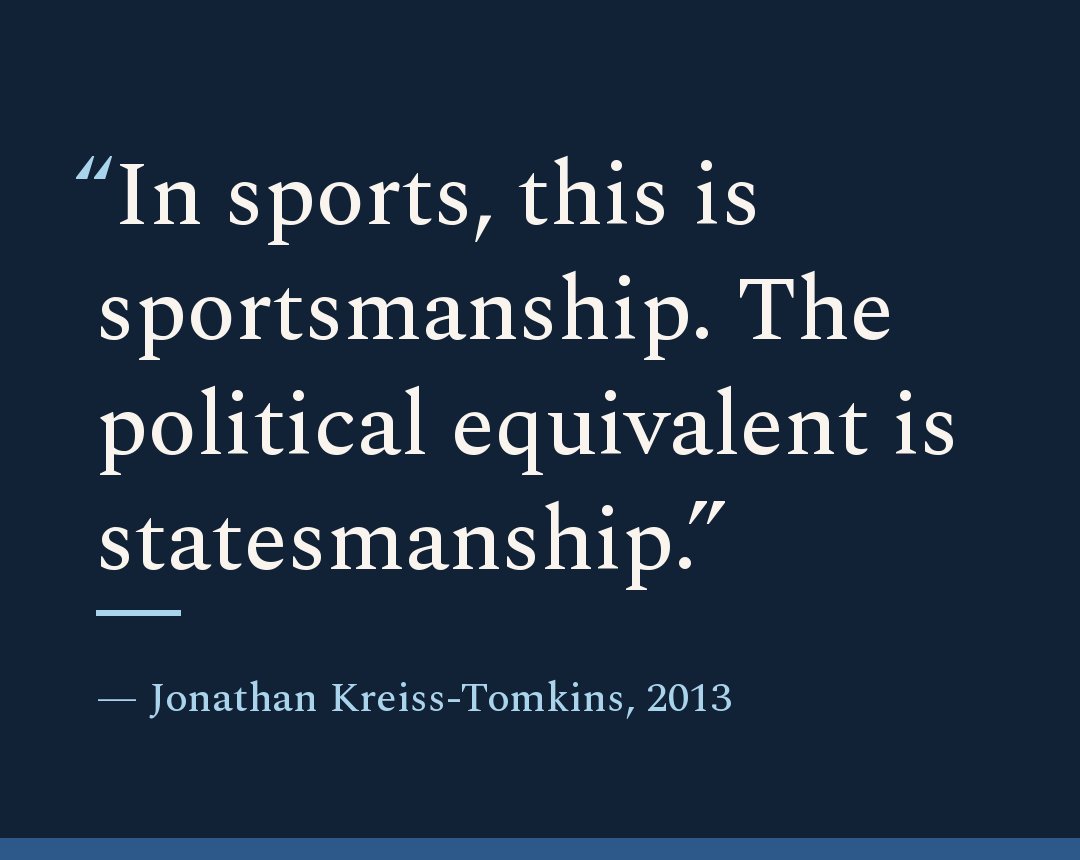
He writes about political process in moral terms. In a November 2013 newsletter on the federal government shutdown, he held up Larry Bird and Michael Jordan as rivals who battled in the playoffs and then teamed up for McDonald's commercials. He compared the shutdown to the 1994 attack on figure skater Nancy Kerrigan, and he argued politics needs its own version of sportsmanship.
During the 2015 budget standoff, he apologized to Alaskans on behalf of the Legislature, promised to explain the impasse without assigning blame and laid out the three blocs whose votes a budget needed: House Republicans, House Democrats and Senate Republicans. "If both sides are unhappy, that means progress," he wrote. His own loss in the deal, he added, was Medicaid expansion.
He found Republican partners issue by issue. In a 2016 op-ed on civil asset forfeiture with Rep. Tammie Wilson, R-North Pole, the two wrote that they regularly cancel out each other's votes: "We are expert agreeable disagreers." In 2021, he wrote against halibut bycatch with Reps. Kevin McCabe, R-Big Lake, Sarah Vance, R-Homer, and Dan Ortiz, I-Ketchikan. In his first session, he joined the Bush Caucus, then seven Democrats and five Republicans from rural and coastal Alaska. Now down to six rural legislators, the caucus endorsed him for governor this month. In 2014, he praised Parnell's education bill by name while opposing school vouchers, writing that education politics are "wonderfully, perplexingly gray."
Trust
Weeks into his first session in 2013, he found that legislators could take their annual office allowance, $16,000 for House members, as personal income. He said he wouldn't take any of it and asked the Legislature to either give itself an explicit raise, which he said he wouldn't support, or make the accounts fully accountable. In 2018, he and Rep. Jason Grenn, I-Anchorage, credited the nearly 50,000 Alaskans who signed an ethics initiative petition for pushing the Legislature to pass HB 44, which cut off legislators' per diem when a budget is late and closed the exemption that let lobbyists buy them meals and drinks. "We think we as legislators are perfectly capable of picking up our own tab," they wrote.
He tends to measure before he argues. In January 2014, after alarming headlines about radiation from Japan's Fukushima nuclear disaster, he sat in on a congressional briefing by Ken Buesseler of the Woods Hole Oceanographic Institution and compared the radiation measured off Japan with the EPA's limit for drinking water and the natural radiation in a banana. His conclusion: "the solution to pollution is in fact dilution." In 2013, he opposed a voter ID bill, noting that the director of the Division of Elections had said Alaska has no history of voter fraud.
Place
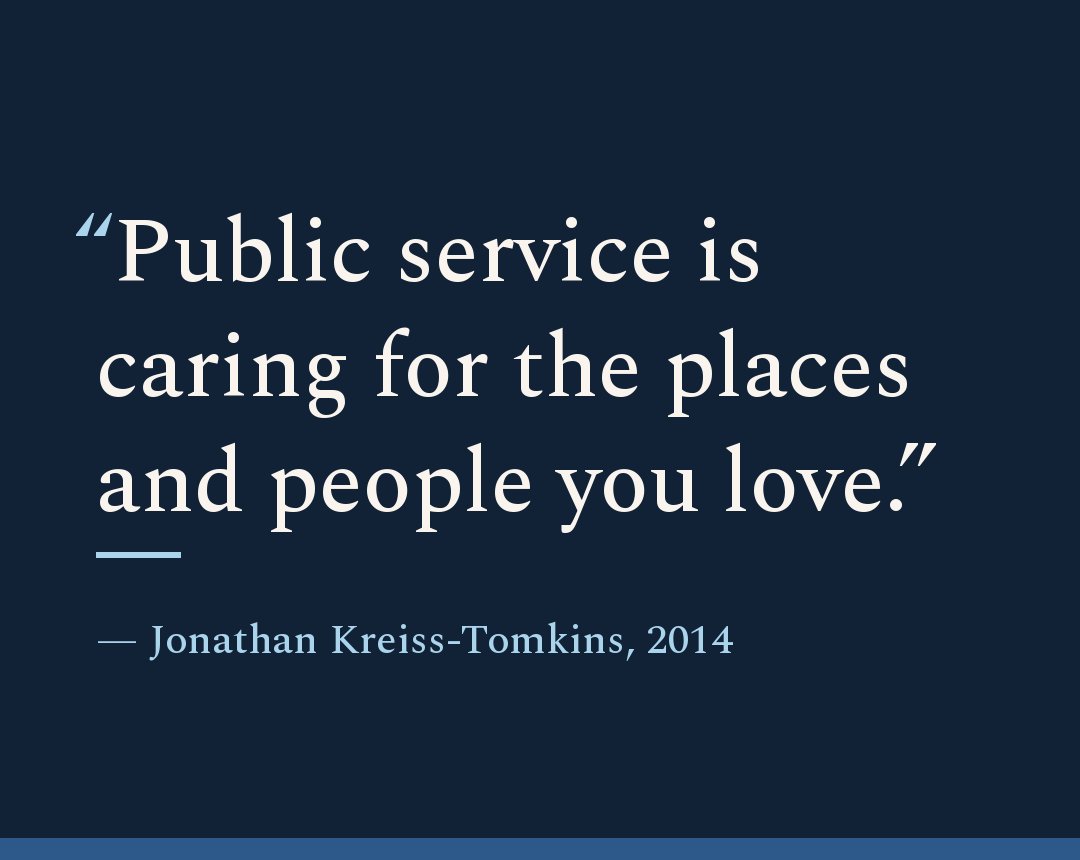
His clearest statement of why he serves came in a December 2014 newsletter. He described his motive as a kind of utilitarianism: how one person can do the most good with limited time and effort. He granted that business and nonprofits offer other answers, then said his answer was Southeast Alaska, and closed with a one-line definition of public service.
His bills also returned often to Alaska Native languages and history. HB 216, which became law in 2014, made 20 Alaska Native languages official languages of the state along with English; its sponsor statement called them "living, breathing, Alaska Native languages." In 2019, the House passed his HR 11, supporting a proposal from Kake to rename Saginaw Bay as Skanáx̱ Bay. The bay was named for the U.S. Navy ship that shelled Kake in 1869, destroying three villages. HB 19, which became law in 2022, created limited teaching certificates so language immersion programs can hire fluent speakers.
Altitude
The most personal piece is Measuring Mountains, a 2011 essay in the Yale Globalist written when he was 22. It opens with him admitting a lifelong pull toward superlatives, the fastest, hardest and highest, then recounts climbing Ojos del Salado, the world's tallest volcano, on the Argentina-Chile border with Chandler Kemp of Haines.
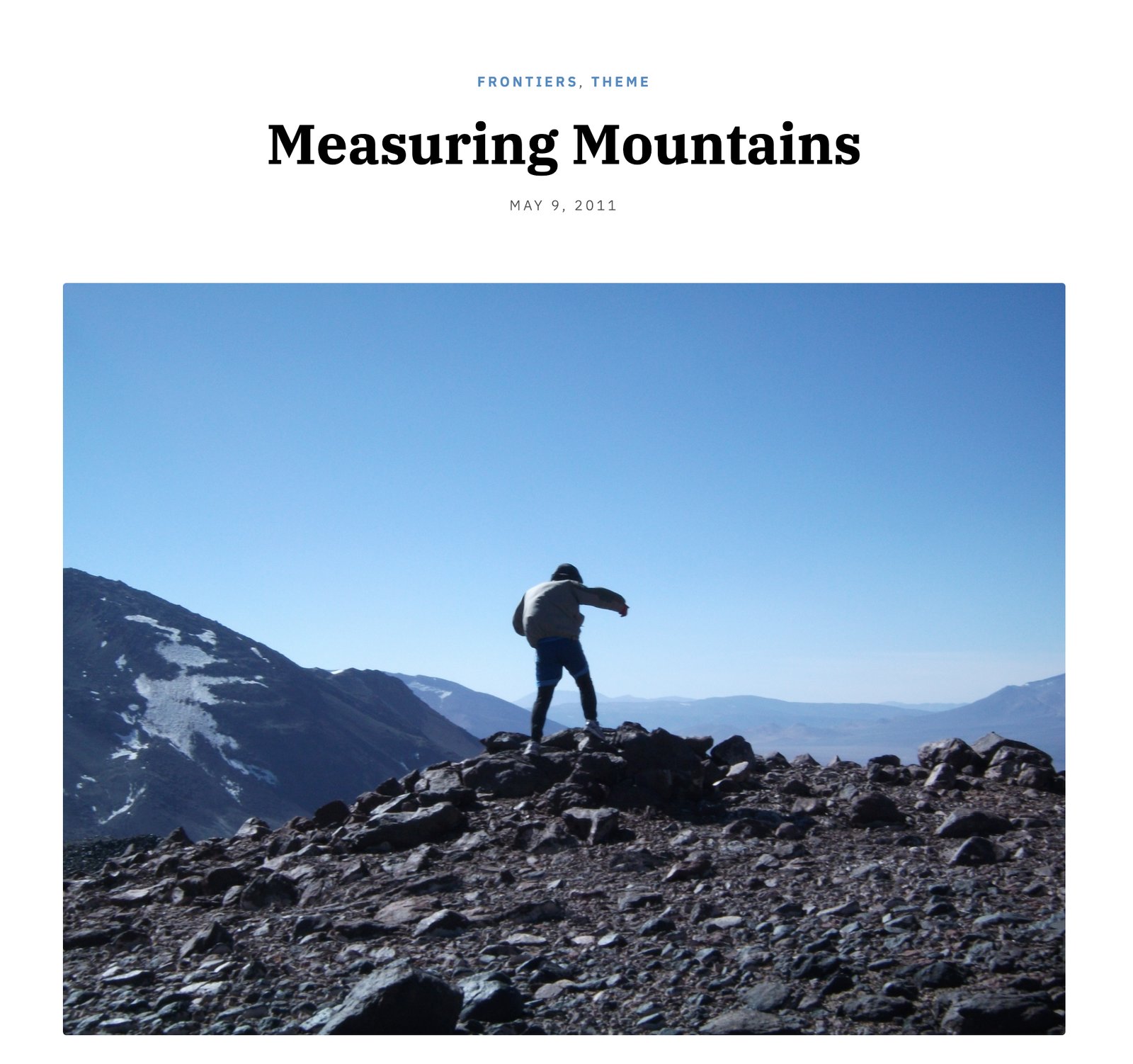
The trip was a measuring job. Ojos has two summits of nearly equal height, and he wrote that Chile's government sponsored expeditions from the 1950s into the 1970s that inflated the mountain's height so it would top Argentina's Aconcagua, the tallest peak in the Americas. He and Kemp carried GPS gear supplied by Trimble and worked with a geophysicist who had helped measure Mount Everest, aiming for a number no one could argue with. He wrote that their data put the Argentine summit 31 centimeters higher. It's the same instinct that led him, two years later, to check Parnell's explanation for a $2 billion drop in oil revenue.
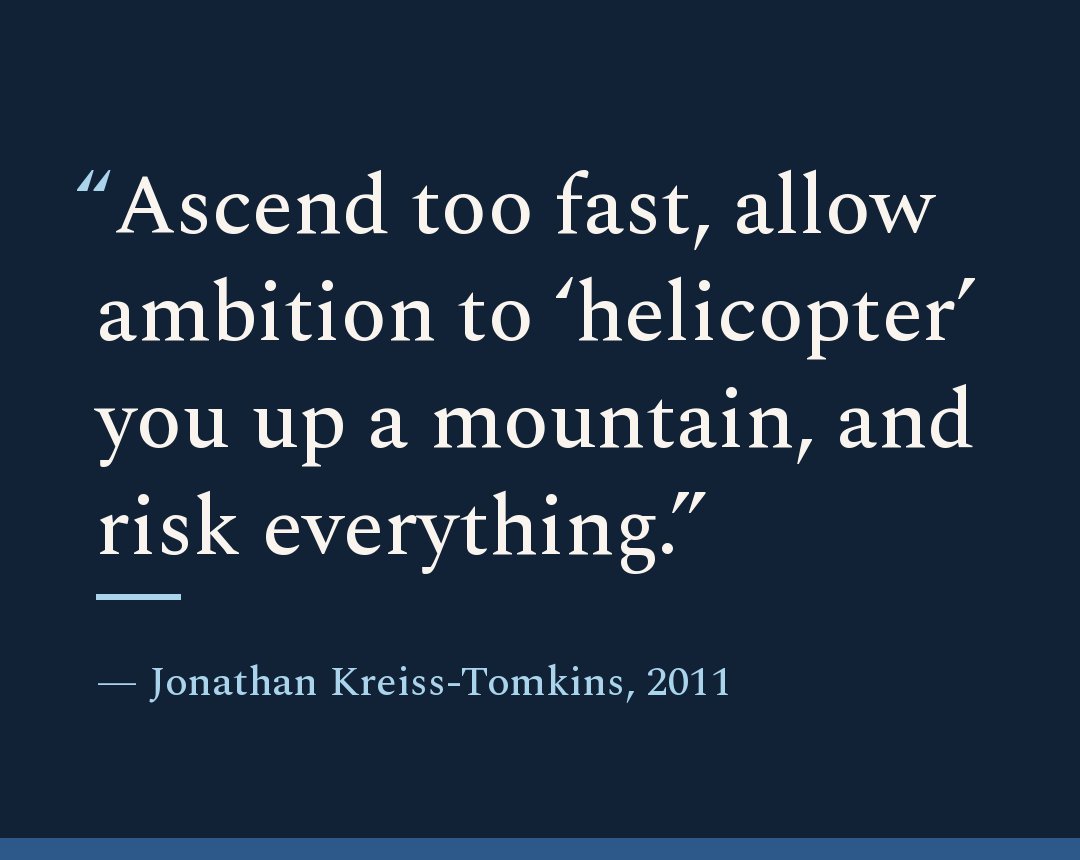
It's also an essay about limits. He wrote that he had turned back alone on the same mountain at 18, after nine days of near-total solitude. On the second climb, he wrote, he was the weak link: badly dehydrated, he lay down on the Argentine summit while Kemp made the exposed crossing to the Chilean one, and Kemp stayed up that night worrying that he had cerebral edema, a sometimes fatal altitude illness. He credited Kemp's friendship with getting him to the top. Along the way, he passed along a lesson, checked with an altitude medicine doctor, about a climber flown by helicopter straight to a summit.
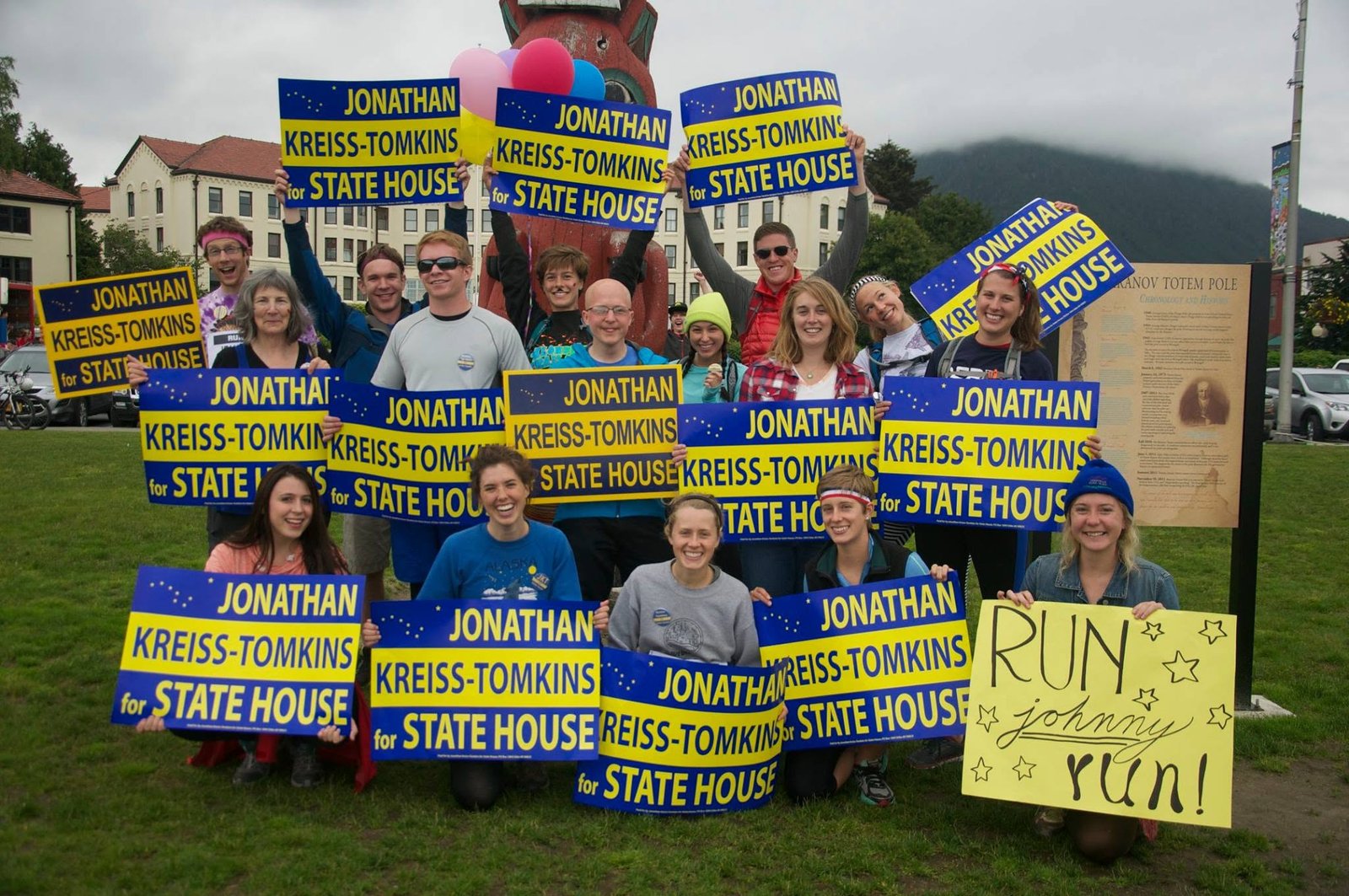
The next year, he left Yale one course credit short of his degree to run for the Legislature. His campaign statement this year says he dropped out after Southeast Alaska's longtime representative voted to give oil companies a big tax break. He beat that incumbent, Republican Bill Thomas, by 32 votes after a recount.
What did you make of this story? (no account needed)
Keep Alaska News free for everyone.
No paywall, ever. Members pay so everyone can read the meetings and records Alaska News covers.
Get Alaska News in your inbox
Create your free account and get the day’s top stories around 6 each morning, in a few minutes’ read.
Top stories, around 6 each morning.
Stories on what you follow, on Sundays.



Comments
Sign in to leave a comment.
No comments yet. Be the first to share your thoughts.