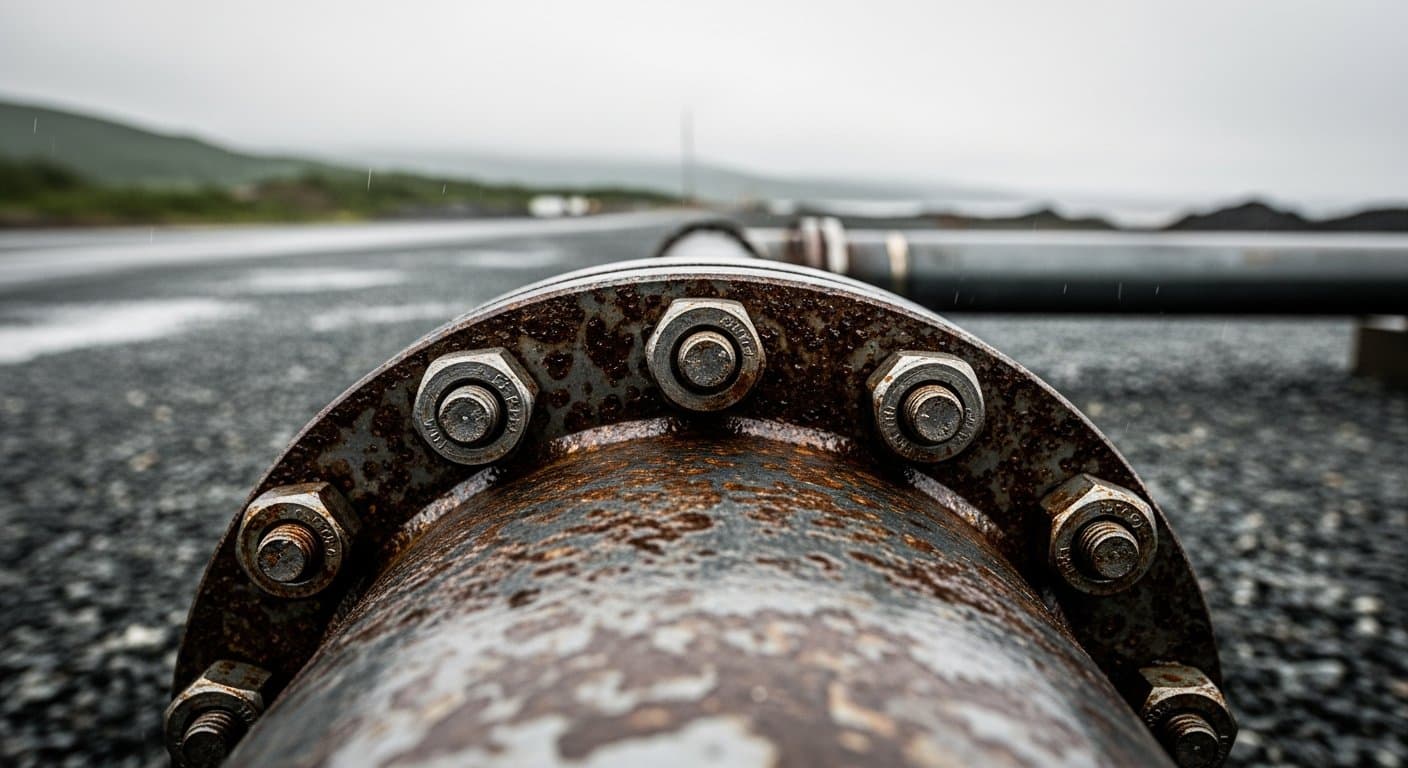
AI-generated (Gemini Imagen)
Alaska's LNG tax bill is stuck in conference over legal doubts and who pays
The Senate's version of the bill that would tax Alaska's proposed LNG pipeline is hung up in a conference committee, caught between two competing concerns: making the megaproject financeable, and making sure it is legally sound and fair to local taxpayers. At its center is HB 381, which would swap the usual state property tax on the pipeline's infrastructure for an "alternative volumetric tax" pegged to how much gas actually flows through it.
Backers see that new structure as essential. Senate Republican leadership argues the volumetric tax gives the project's developers the tax certainty they need to line up financing for a decades-sought, tens-of-billions-of-dollars undertaking — a predictable bill tied to throughput, rather than a fluctuating property-tax valuation on an enormous asset. Without that certainty, they contend, Alaska LNG may never pencil out.
On the other side are questions about whether the Senate's version holds up. Three memos from the Legislature's own nonpartisan legal staff flagged possible constitutional problems — among them, whether a clawback provision in the state's confidential deal with developer Glenfarne would be impaired, and whether letting the state's gasline corporation spend project revenue without annual appropriation runs afoul of the constitution's dedicated-funds rules. But these are advisory opinions, not rulings, and the lawyers were careful to note their limits: the underlying agreement is confidential, so, as the chief counsel put it, it is "difficult to fully analyze the potential claims."
The other flashpoint is money — specifically, whether Kenai Peninsula Borough taxpayers could end up covering more school costs. The Senate Finance version folds part of the new tax revenue into the formula that sets local school-funding obligations, which modeling suggests could add up to roughly $9.4 million to the borough's burden by 2040. Sen. Jesse Bjorkman, who represents much of the Kenai, objects that it shifts costs onto local taxpayers who weren't part of the original deal. "That simply wasn't the deal," he said. But the Senate also attached a sunset to that exposure, which state finance analysts modeled as likely preventing any of it from being charged at all, given the project's timeline — meaning the projected $9.4 million may never actually come due.
For now, both the legal questions and the cost provisions remain unresolved, splitting the conference committee with no deadline set.
AI-assisted, reviewed by editors. Spot an error?
Comments
Sign in to leave a comment.
No comments yet. Be the first to share your thoughts.