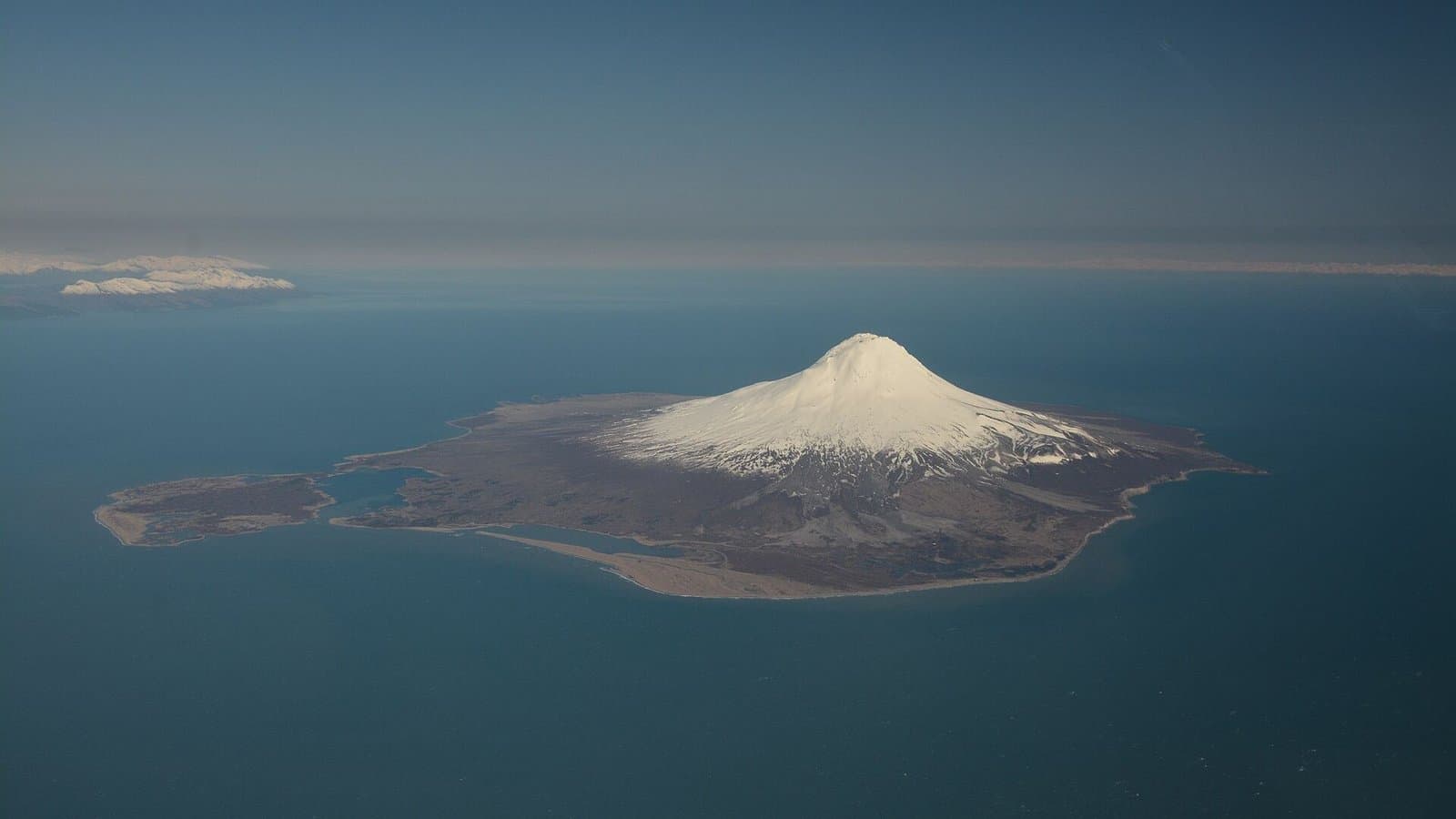
Photo: Robert Game McGimsey (Alaska Volcano Observatory in collaboration with the United States Geological Survey) via Wikimedia Commons · Photo source · Public domain
AIDEA board member voted for geothermal stake he said could benefit his employer
Rick Solie, a member of Alaska's state development authority board, voted Nov. 4 to put up to $10 million into a geothermal power company after telling the board the project could materially benefit the gold mine project he works for.
Board Chair Bill Kendig thanked him and, in the words of the signed minutes posted Thursday, "noted that it is at Mr. Solie's discretion to make his decision." Under state ethics law, the chair decides in writing whether a member taking part would be a violation. The minutes record no written ruling and no vote by the other members on Solie's disclosure. The roll call on the investment was unanimous.
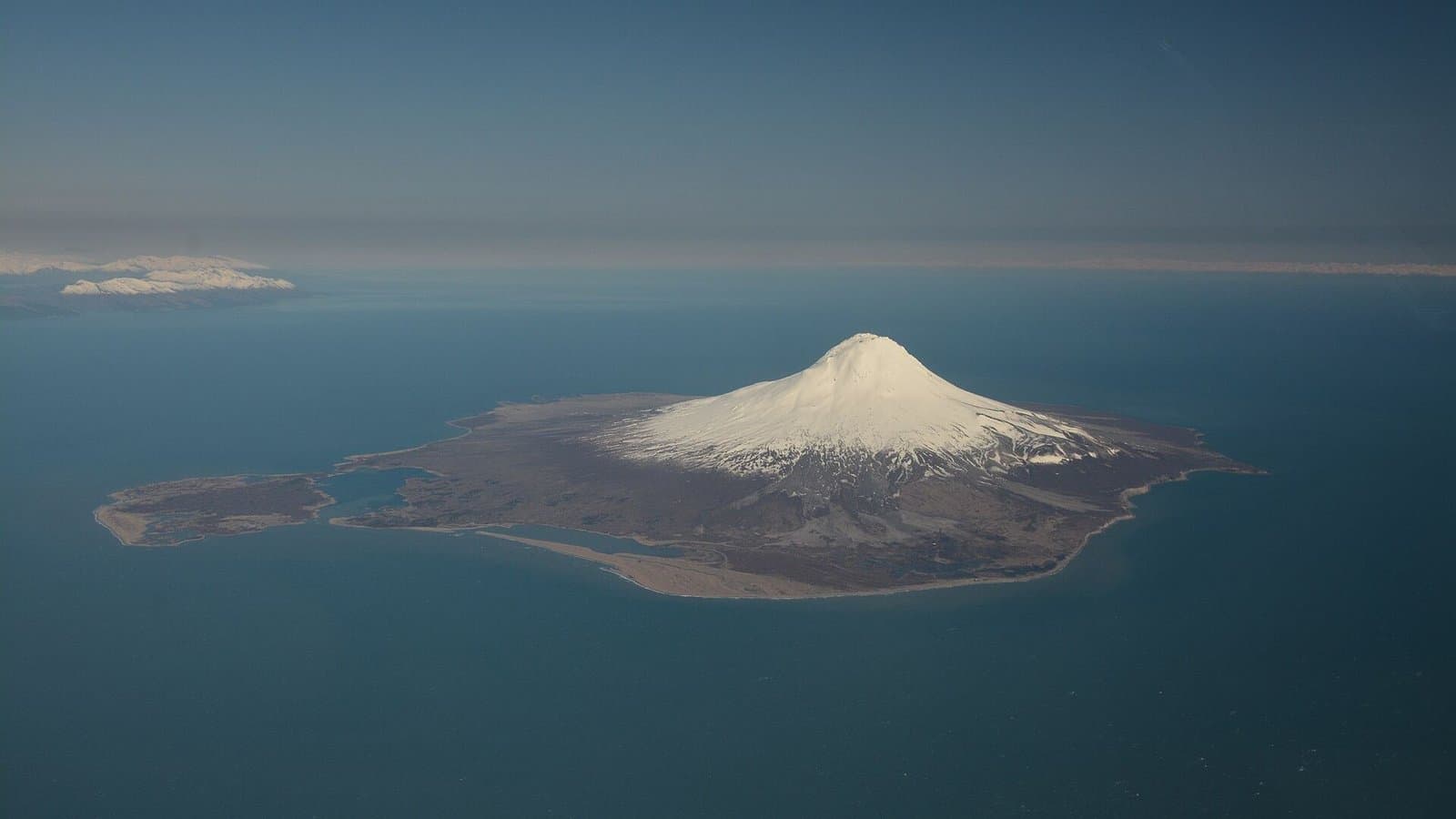
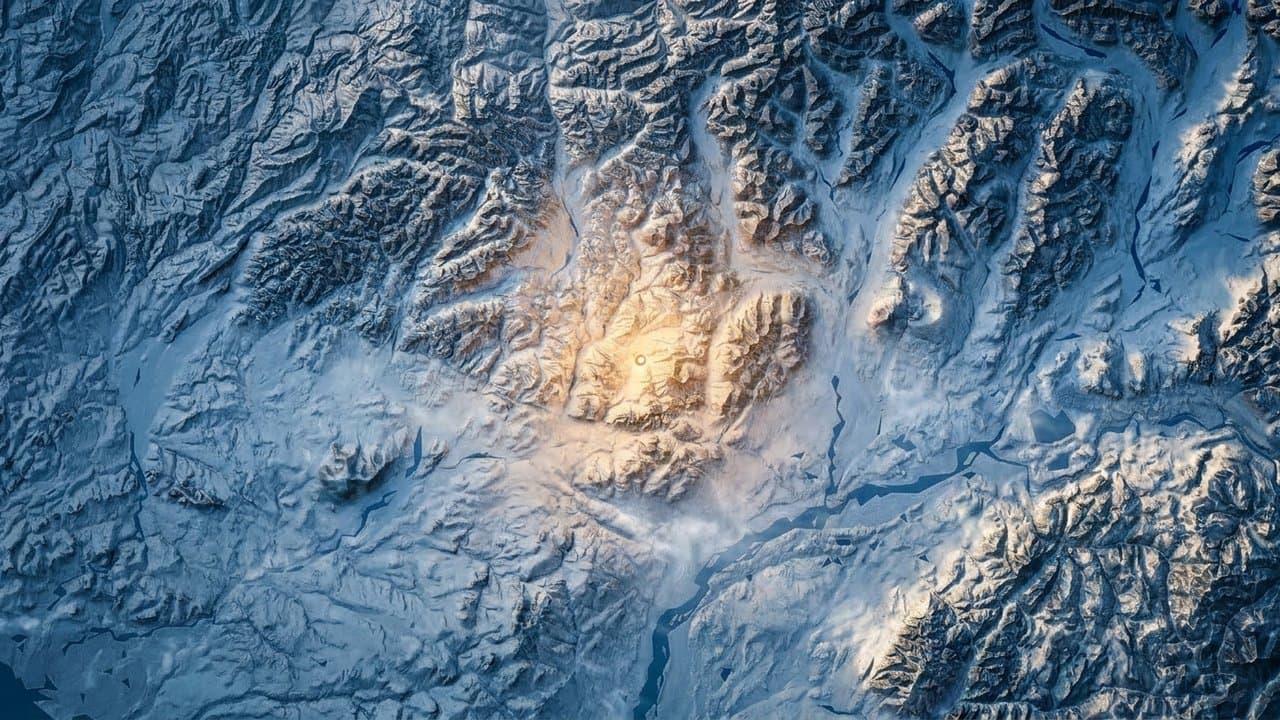
The board of the Alaska Industrial Development and Export Authority, or AIDEA, approved the stake in GeoAlaska, a company that wants to turn the heat under Augustine Island, an active volcano in lower Cook Inlet, into electricity.
Solie told the board he works for Tower Hill Mines and its Livengood Gold Project, which he said would use 50 to 100 megawatts if the geothermal project is built. That is a quarter to half of the 204 megawatts GeoAlaska Chief Executive Paul Craig told the board the project would deliver. International Tower Hill Mines lists Solie as its investor and community relations manager.
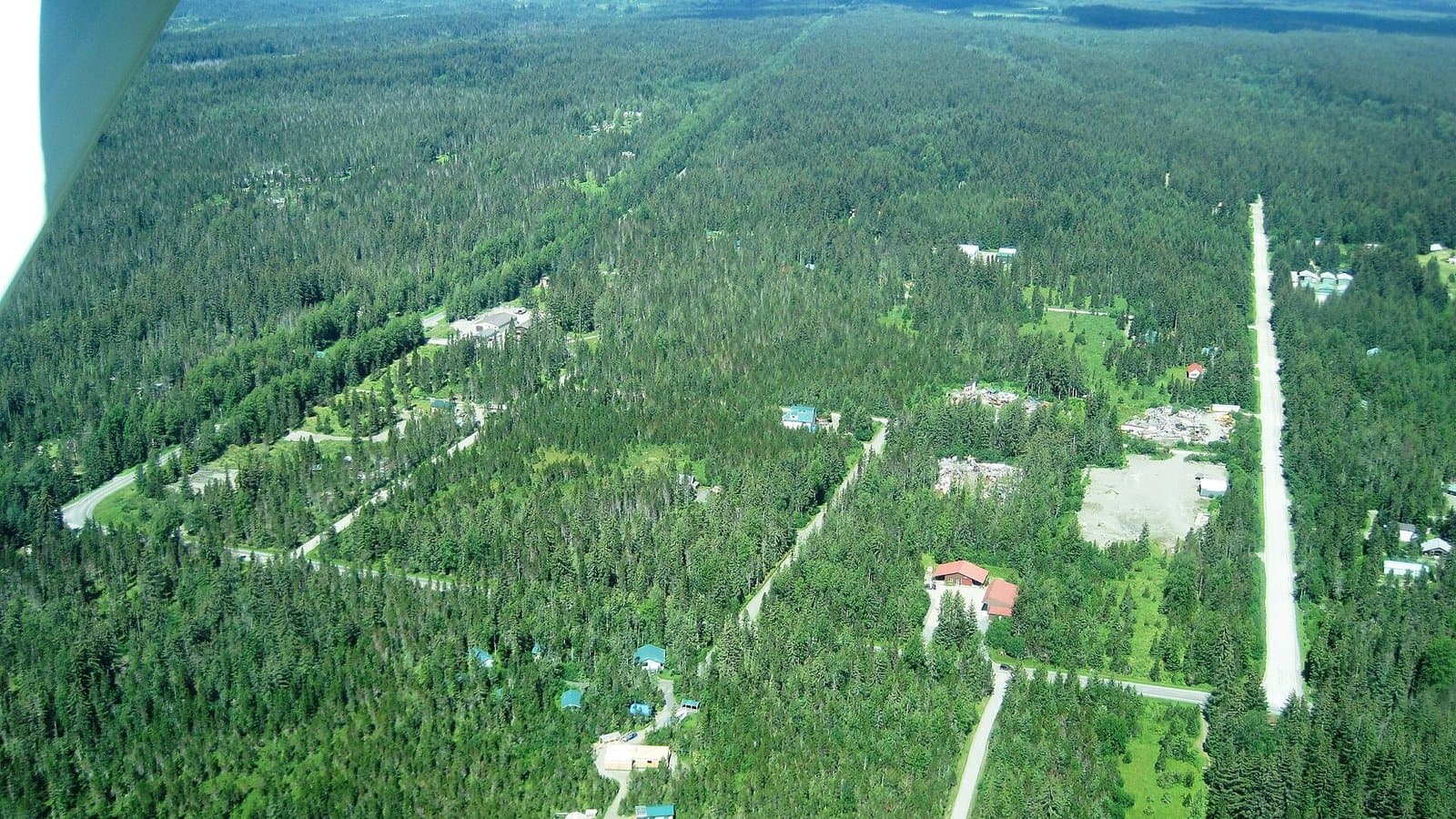
Livengood is not yet a mine. The company's annual report calls it a development-stage project about 70 miles north of Fairbanks that has not begun mining or reached commercial production. It says Golden Valley Electric Association, the Fairbanks utility, has indicated in preliminary, non-binding talks that 50 to 60 megawatts could be available to the project.
Earlier, Solie said Golden Valley has concerns about its ability to generate enough power, and asked about getting Augustine's electricity to Fairbanks and Cook Inlet.
Alaska's Executive Branch Ethics Act bars a board member from taking official action to affect a matter in which the member has a financial interest, and it counts being a business's employee as one. The law finds no substantial impropriety when the interest is insignificant or shared by the public or a large group, or when the member's action would have an insignificant or conjectural effect, under AS 39.52.110.
Under AS 39.52.220, a member involved in a matter that may result in a violation must disclose it on the public record and in writing to the chair and the attorney general. The other members vote only if one of them objects to the chair's ruling or the chair discloses a potential conflict. If the chair or most of those voting find that taking part would be a violation, the member must not vote or take part.
The minutes do not say whether Solie filed a written disclosure, and they record no finding of a violation. Board chairs must keep members' disclosure statements on file and send the Department of Law an ethics report each quarter, according to the department's guidance for ethics supervisors. The report covering October through December is due in January.
AIDEA cannot commit any of the $10 million until Executive Director Randy Ruaro finishes reviewing GeoAlaska, gets legal advice and finds the deal protects the authority's interests, and its chief financial officer confirms the money is available, under Resolution G26-13.
What did you make of this story? (no account needed)
Made by our human newsroom with AI. How humans and AI work here · Grow with our newsroom ·
Keep Alaska News free for everyone.
No paywall, ever. Members pay so everyone can read the meetings and records Alaska News covers.
Get Alaska News in your inbox
Create your free account and get the day’s top stories around 6 each morning, in a few minutes’ read.
Top stories, around 6 each morning.
Stories on what you follow, on Sundays.
Source: Alaska Industrial Development and Export Authority, AIDEA board member said the Augustine geothermal project could benefit the gold mine he works for, then voted for the $10 million investment.








Comments
Sign in to leave a comment.
No comments yet. Be the first to share your thoughts.