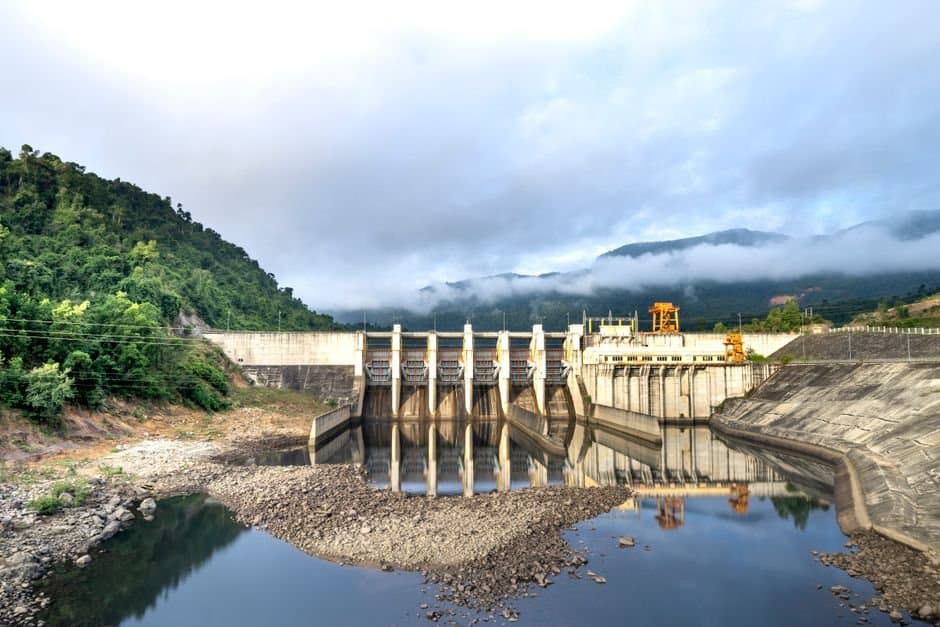
Photo by Quang Nguyen Vinh on Pexels · Source
AEA tells legislators $400 million Bradley Lake expansion targets 2031
A $400 million expansion of the state-owned Bradley Lake Hydroelectric Project would add enough electricity for about 30,000 homes and offset 1.5 billion cubic feet of natural gas a year, the Alaska Energy Authority told the House Resources Committee and Senate Resources Committee on Thursday.
The figures do not all agree. AEA's presentation listed two without reconciling them: an estimated annual output of 180,000 megawatt-hours and, elsewhere, about 167,000 megawatt-hours of added renewable generation. AEA describes the expansion as increasing production by more than 40 percent at a plant averaging 392,000 megawatt-hours a year from 1995 to 2020; the Federal Register notice put it at approximately 38 percent. The cost figure is a Class IV estimate, an early-stage number with a wide error band.
Curtis W. Thayer, the authority's chief executive officer and executive director, presented the project. The notice lists three components: a dam diverting Dixon Glacier meltwater, from the Martin River headwaters, into Bradley Lake through a 4.6-mile tunnel; a 16-foot rise in the lake's operating pool; and a 0.3-megawatt micro-hydro turbine in a fishwater release valve. It is a non-capacity amendment: installed capacity would rise only from 119.7 to 120.0 megawatts, the gain coming through the existing powerhouse, in service since 1991. AEA lists the project as shovel-ready with a 2031 target.
The gas offset equals 7.5 percent of unmet Southcentral demand projected for 2030. Tony Izzo, CEO of Matanuska Electric Association and a member of AEA's own board, told the Alaska Gasline Caucus this month the expansion "will offset 1.5 BCF out of a demand in the inlet of 70."
The financing package went to the five utilities that buy Bradley Lake power. Ratepayers would repay up to $100 million, with up to $200 million in federal tax credits. AEA's filing materials identify potential effects on Martin River aquatic habitat and water quality from the diverted flow.
AEA filed the application June 30. FERC takes comments, protests and motions to intervene under P-8221-124 until 5 p.m. Eastern on Aug. 28, 1 p.m. in Alaska. Comments up to 6,000 characters can be filed without registration through eComment, longer ones through eFiling; email to staff does not count.
AI-assisted, reviewed by editors. Spot an error?
Stay informed. Support what matters.
Free, permanent access to local news you can verify. Subscribe to support Walter AlaskaNews and go ad-free.
Related Coverage
Bradley Lake expansion has carried three price tags in four months as the comment window closes
Alaska News · 3w ago · 90% match
As Cook Inlet gas runs short, Alaska moves to squeeze 38% more power from an existing dam
Alaska News · 3w ago · 88% match
Railbelt ratepayers will repay up to $100M for a Bradley Lake expansion built around federal tax credits
Alaska News · 2d ago · 87% match
Alaska Energy Authority lifts ban on consecutive chair terms
Alaska News · 6mo ago · 80% match
Legislators to hear the case for a gas line as the effort stalls
Alaska News · 2w ago · 79% match
Comments
Sign in to leave a comment.
No comments yet. Be the first to share your thoughts.