Photo by Beth Fitzpatrick on Pexels · Source
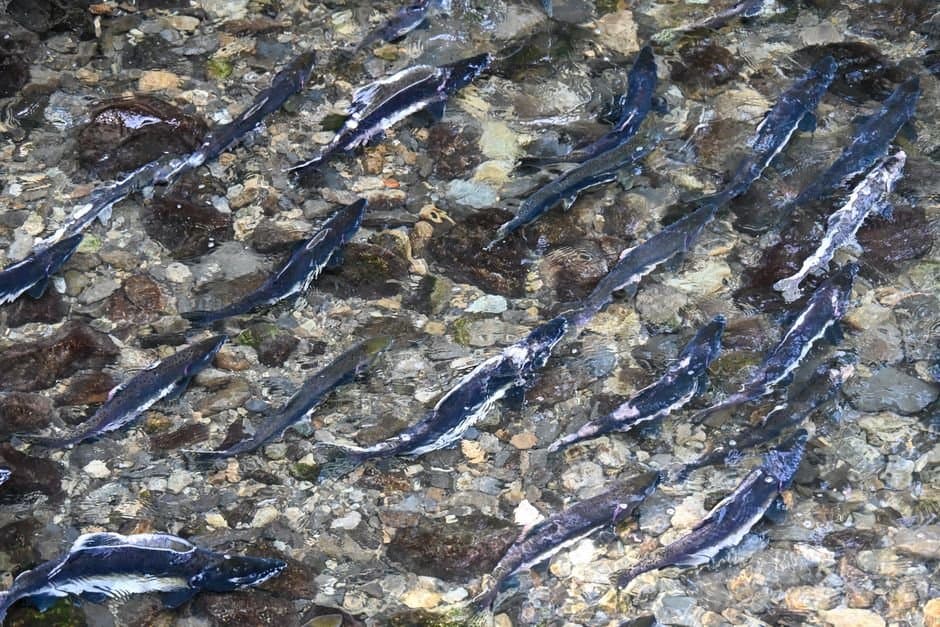
ADF&G reports salmon die-offs in Thorne River and Staney Creek amid low water
Salmon are dying off in several Prince of Wales Island drainages, most notably the Thorne River and Staney Creek, where low, warm water has killed fish and very low levels are concentrating survivors in pools and deeper runs. ADF&G area management biologist Craig Schwanke reported the die-offs in the department's Aug. 20 sport fishing report. The report gives no mortality estimate, nor temperature, flow or dissolved-oxygen readings.
Rivers and creeks across the island remain very low for lack of rain, according to the report, and pink salmon entering fresh water are stacking up as a result. Sockeye have already started spawning in some systems, including the Thorne, Sarkar and Karta rivers and Hatchery, Ratz and Eagle creeks.
Die-offs on this island are not new. ADF&G Technical Paper 308, a 2011 study of subsistence sockeye harvest in Klawock Inlet, records that large die-offs occur periodically in the Klawock River and other island streams during "dry hot weather, low water levels and large salmon runs," including events in 1993 and 1999. Klawock subsistence harvesters have asked the Board of Fisheries to further limit harvest in the estuary over concerns about the sockeye run's strength. Alaska News has previously covered a separate strain this season: kings, coho and pink salmon all running below average.
Research describes mechanisms that can produce such die-offs, though without site-specific measurements here. A USDA Climate Hubs presentation by research fisheries scientist Ryan Bellmore says drought-induced changes in stream flow and temperature affect all freshwater salmon life stages, limiting river access and reducing wetted spawning surfaces. The Alaska Climate Research Center writes that low water, high temperature and high fish density are linked to a dissolved-oxygen drop into a range it calls "potentially ecosystem-altering." Warming rivers and summer drought pose the same risk to salmon across Alaska.
The same drainages carry the island's resident fisheries. Schwanke's report lists the Thorne River and Ratz Creek among productive waters for rainbow trout, cutthroat trout and Dolly Varden.
AI-assisted, reviewed by editors. Spot an error?
Stay informed. Support what matters.
Free, permanent access to local news you can verify. Subscribe to support Bill AlaskaNews and go ad-free.
Related Coverage
Three salmon runs are down at once on Prince of Wales
Alaska News · 4w ago · 86% match
Weak sockeye run tightens fishing at Saltery Creek, twice in two days
Alaska News · 3w ago · 78% match
Craig and Klawock anglers must keep their catch whole until the dock
Alaska News · 2w ago · 77% match
Situk River sockeye fishery has all but ended, ADF&G says
Alaska News · 1w ago · 77% match
Craig, Klawock anglers face new ban on filleting fish at sea
Alaska News · 3mo ago · 76% match
Comments
Sign in to leave a comment.
No comments yet. Be the first to share your thoughts.