AI image
ADF&G issues four commercial salmon emergency orders across Alaska Peninsula, Kuskokwim, and Kotzebue areas in three days
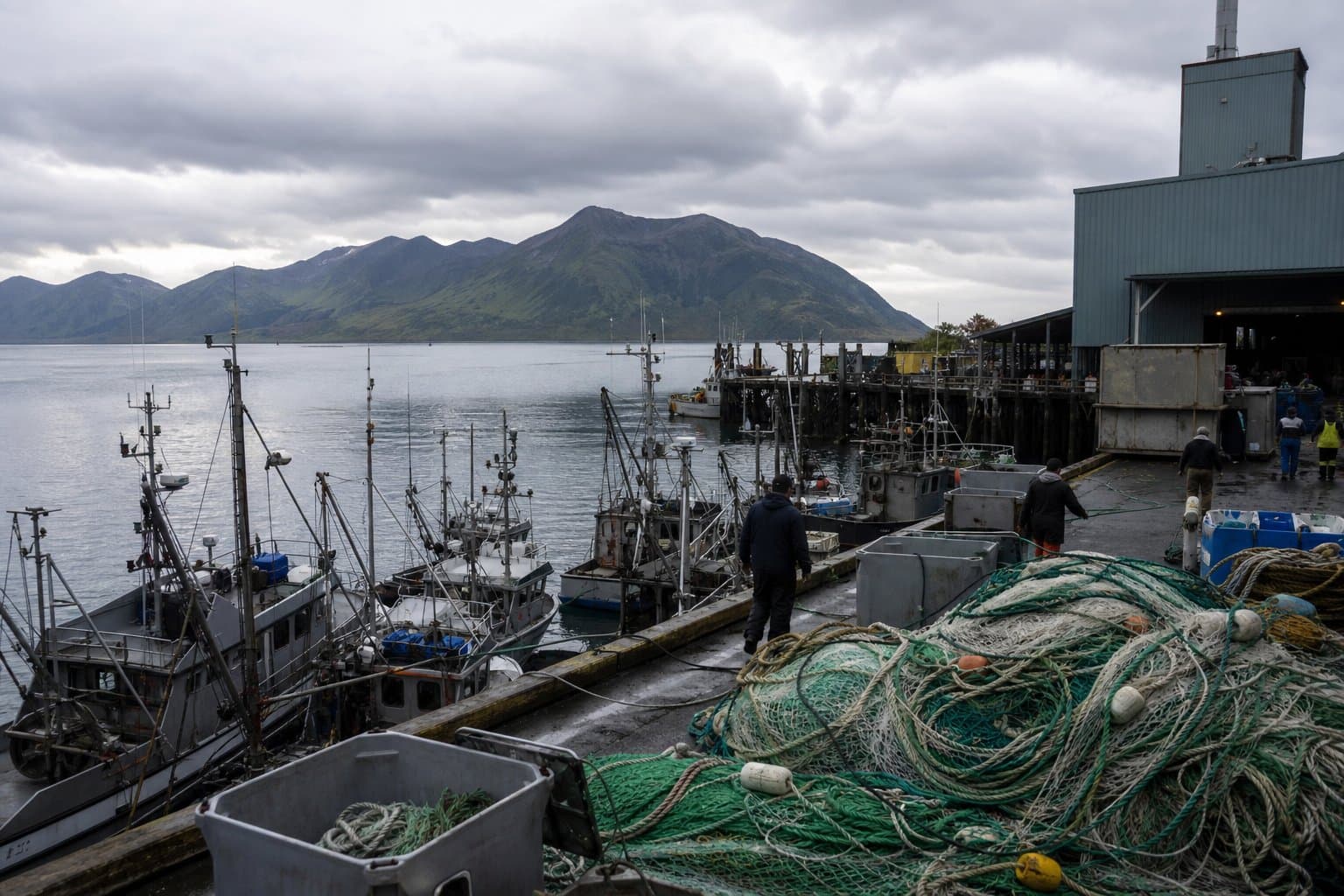
Commercial salmon permit holders and processors across the Alaska Peninsula, Kuskokwim, and Kotzebue areas are navigating a rapidly shifting schedule after the Alaska Department of Fish and Game's Division of Commercial Fisheries filed four emergency orders in three days, opening or extending fishing periods at Sand Point, Port Moller, Kuskokwim Bay, and Kotzebue Sound.
The orders were filed between July 15 and July 17 and posted on ADF&G's Emergency Orders and Press Releases portal for Commercial Fisheries. They cover Emergency Order 4-FS-E-10-26 (Alaska Peninsula Area, Registration Area M, Sand Point), Emergency Order 3-FS-K-07-26 (Kuskokwim Area, Registration Area W, Kuskokwim Bay), Emergency Order 1-FS-K-06-26 (Kotzebue Area, Registration Area E, Kotzebue Sound), and Emergency Order 4-FS-E-11-26 (Alaska Peninsula Area, Registration Area M, Port Moller). Together they set specific dates, times, and gear restrictions for commercial salmon openings, including directed chum and sockeye fisheries, and reference management objectives for escapement and processor capacity. The Kotzebue Sound order targets chum salmon; the others address directed sockeye and mixed-salmon commercial periods. Each order remains contingent on escapement goals and can be modified or rescinded if run conditions shift.
ADF&G describes emergency orders as a normal part of Alaska fisheries management and critical for long-term sustainability. The department uses them to respond in real time to run strength, escapement needs, conservation priorities, and inseason fishery performance. Area management biologists in Sand Point, Bethel, Kotzebue, and Cold Bay serve as real-time contacts as conditions evolve.
The pace of these orders reflects a broader 2026 pattern of rapid inseason management across the state, which has included both commercial openings and restrictions elsewhere: Copper River closures tied to below-anticipated sockeye and Chinook returns, and Kuskokwim River subsistence openings after management returned to ADF&G from the U.S. Fish and Wildlife Service on July 13 following a surge in chum salmon counts.
The presence of multiple emergency orders within a short window reflects active management rather than a single, unified policy shift. That distinction matters for affected communities, which must plan around schedules that can change without notice.
Source: ADF&G issues multiple July 2026 commercial salmon fishery emergency orders.
Made by our human newsroom with AI. How humans and AI work here · Grow with our newsroom
Stay informed. Support what matters.
Free, permanent access to local news you can verify. Subscribe to support Bill AlaskaNews and go ad-free.
Related Coverage
Bristol Bay Eastside salmon fishery under rapid-sequence emergency orders
Alaska News · 3mo ago
Strong escapement at one weir is driving long Alaska Peninsula openings
Alaska News · 2mo ago
ADF&G extends Northwest Stepovak commercial salmon fishing 48 hours
Alaska News · 2mo ago
Sand Point fishermen get 61 hours on the water — in a fishery the rest of Alaska watches closely
Alaska News · 2mo ago
Commercial fishing opens in Kuskokwim Bay as subsistence fishing closes
Alaska News · 3mo ago
Comments
Sign in to leave a comment.
No comments yet. Be the first to share your thoughts.