AI image
Senate panel advances water bill with Alaska Native village sanitation, Nome port, and Juneau flood provisions
The Senate Environment and Public Works Committee unanimously advanced the Water Resources Development Act of 2026 on July 15, directing $60 million a year toward sanitation in Alaska Native villages, fast-tracking Juneau's glacial flood response, and shielding Nome's Arctic port from full local cost-sharing.
The bill directs the Army Corps of Engineers to skip earlier study phases and move directly to preconstruction planning for Juneau's glacial lake outburst flooding. For Nome, it classifies the port's supporting infrastructure as a federal national security interest, potentially reducing the local cost share for the nation's only Arctic deep-draft port. The sanitation authorization expands eligibility to cover emergency operations and maintenance repairs, not just new construction. Direct authorizations include $13.7 million for drinking water and wastewater projects in Sitka, Nelson Lagoon, Ouzinkie, and Soldotna.
Other Alaska provisions designate western Alaska's coast as a federal priority area for erosion and storm surge work, authorize new feasibility studies for Kodiak Harbor, Scow Bay Harbor, Kodiak Island Borough, Talkeetna, and Unalaska, mandate that the Corps adequately staff and resource its Alaska District permitting operations, and require a report on incorporating commercial fish landings into the Corps' benefit-cost metrics for Alaska harbor projects.
Sen. Dan Sullivan said the bill cuts "right through the red tape" on Juneau flooding and noted more than 30 communities still rely on honey buckets. "We are cutting right through the red tape to fast-track a permanent engineering solution for Juneau, Alaska, which is currently preparing for yet another devastating glacial lake outburst flood," Sullivan said. "We are keeping our foot on the gas in this bill to build America's very first Arctic deepwater port in Nome."
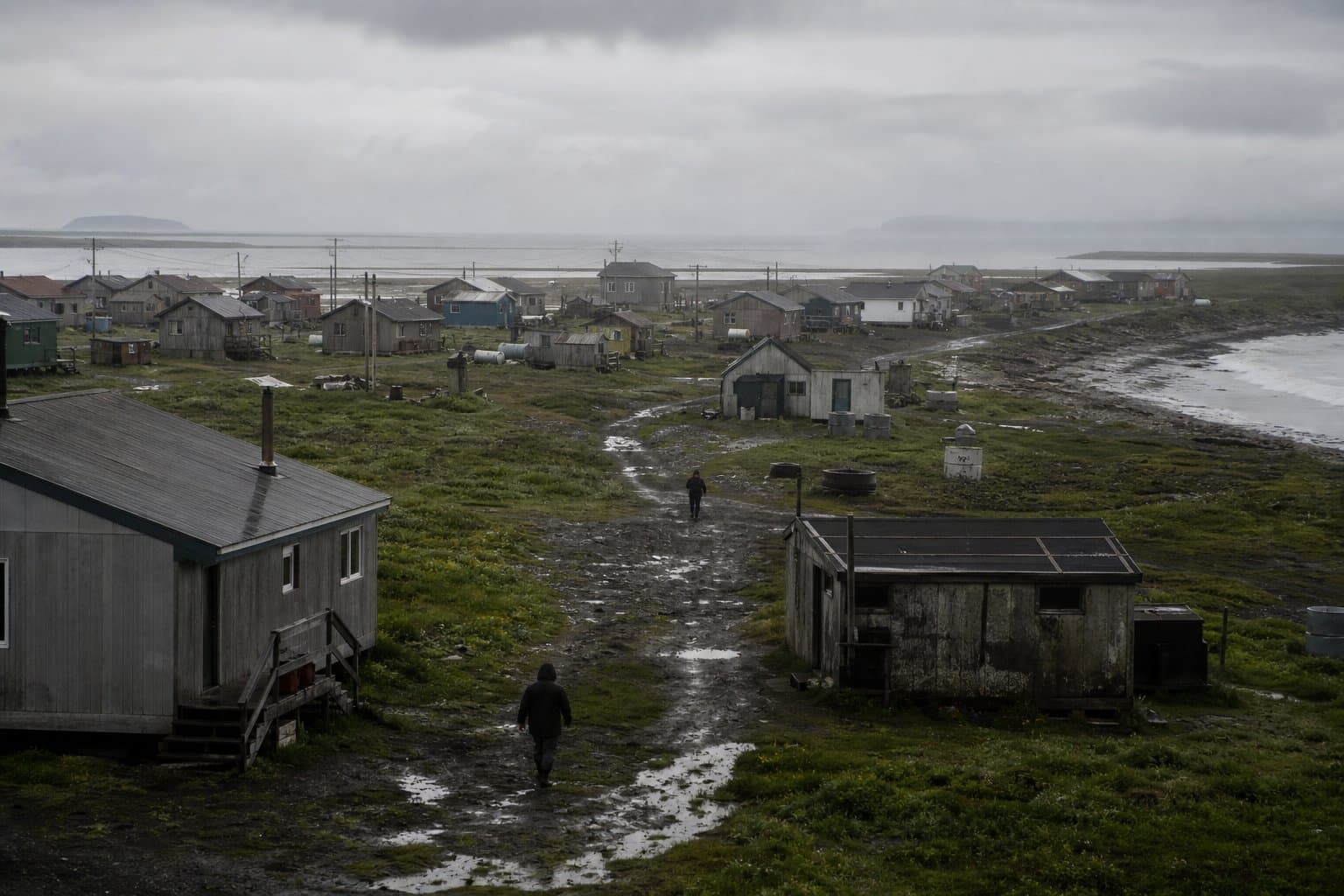
On sanitation, Sullivan was direct. "Imagine that. The richest country in the world and people use honey buckets to, uh, take out their sewage. That's just unacceptable in America. And we're trying to get that done."
The bill must still pass the full Senate and clear Congress before becoming law.
Assembled from public records the newsroom collected.
Made by our human newsroom with AI. How humans and AI work here · Grow with our newsroom
Stay informed. Support what matters.
Free, permanent access to local news you can verify. Subscribe to support Walter AlaskaNews and go ad-free.
Related Coverage
Senate bill would fast-track Army Corps engineering for Juneau's glacial flooding
Alaska News · 2mo ago
House passes water bill naming Alaska harbor, flood and water projects; Senate still has to act
Alaska News · 2w ago
Nome port's national security designation could save city $132 million in construction costs
Alaska News · 2mo ago
A Record Alaska Defense Bill Clears Its First Hurdle
Alaska News · 3mo ago
Senate committee advances hydropower bill backed by Murkowski
Alaska News · 4mo ago
Comments
Sign in to leave a comment.
No comments yet. Be the first to share your thoughts.