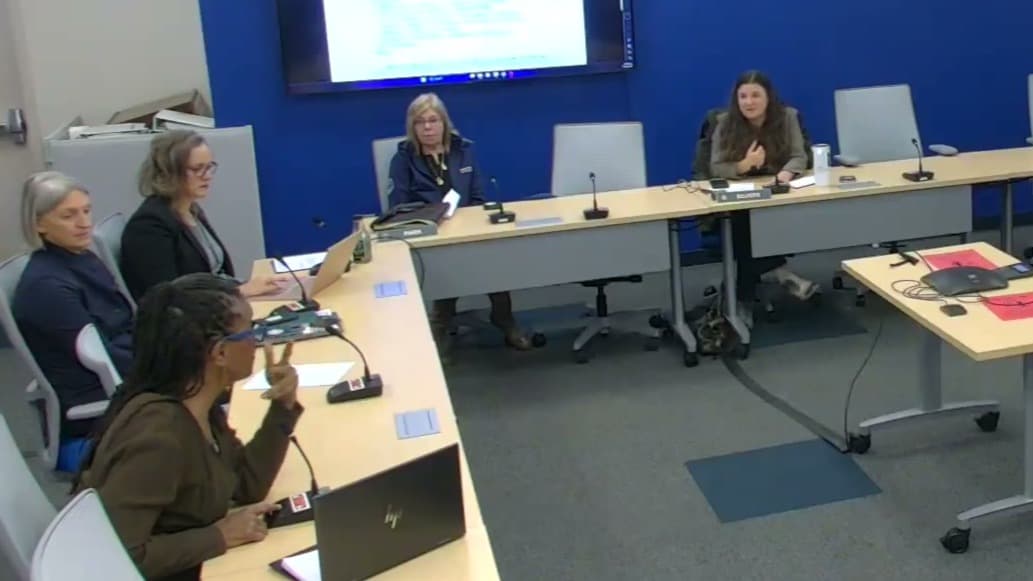
Thea Agnew-Bemben
35:52 - 36:38
“the reason that Willow Commons has the operating model that it does, like Director Rasch was saying, is that we didn't have operating funds to add another 32 transitional living units to our inventory. But when we operate them using a behavioral health treatment provider, beyond that startup cost, they are covering the cost because they are billing for their services.”
- Speaker
- Thea Agnew-Bemben
- Timestamp
- 35:52 – 36:38
- Community
- Alaska News
- Location
- Anchorage
- Captured at
- October 21, 2026
From the transcript
So the reason that Willow Commons has the operating model that it does, like Director Rasch was saying, is that we didn't have operating funds to add another 32 transitional living units to our inventory. But when we operate them using a behavioral health treatment provider, beyond that startup cost, they are covering the cost because they are billing for their services. And then that is what covers the staffing and the, you know, all the things. That said, they have to be— the people staying there are participating in treatment, so that it's not the same as I think what people mean when they say sanctioned camping, which I think what they mean is anyone can be there. I guess I'm— that's unclear to me.
Related Coverage
Willow Commons stays full in its first six months, health department says
Willow Commons' 32 units have stayed full since March, and 27 of 58 residents finished treatment. The city's startup money for the operator ran out in July.

East 56 shelter will reach 200 beds by Nov. 30, a month earlier than last year
Anchorage will add East 56 shelter beds every other week to hit 450 citywide by Nov. 30, about a month before it reached 200 at East 56 last winter.