Jonathan Kreiss-Tomkins
95:47 - 96:29
“salmon don't observe, you know, as though they were, you know, lines on the map that, you know, we've drawn international boundaries and borders, and what happens in the high seas and beyond US federal waters is a little bit of a black box.”
- Speaker
- Jonathan Kreiss-Tomkins
- Timestamp
- 95:47 – 96:29
- Community
- Alaska News
- Location
- Kodiak, AK, USA
- Captured at
- September 9, 2026
From the transcript
One of the conclusions is they're really struggling when they leave their natal rivers, and we need to learn a lot more, but it's very clear that changing ocean conditions are a factor. And a third factor that's surfaced that, you know, again, I can't claim to speak to with any authority, but, you know, salmon don't observe, you know, as though they were, you know, lines on the map that, you know, we've drawn international boundaries and borders, and what happens in the high seas and beyond US federal waters is a little bit of a black box. And, you know, there are high seas fishing fleets. What happens in Russian waters, what happens in Japanese waters is a bit of a black box. And I think that's another sort of unknown factor that we can't really assess.
Related Coverage
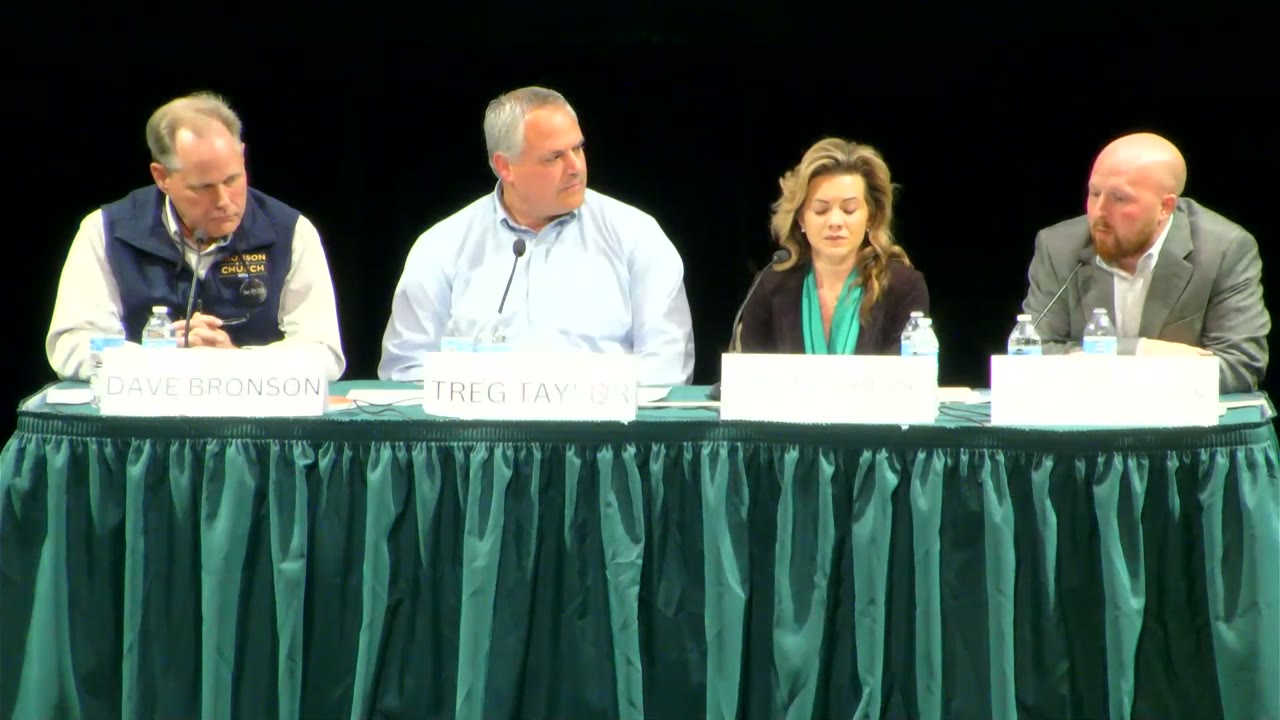
Bronson calls for bottom trawling ban in state waters at Kodiak fisheries debate
Dave Bronson called for banning bottom trawling in Alaska's three-mile state waters, the only gubernatorial candidate to propose the measure at a Kodiak debate.

Gubernatorial candidates split on Board of Fisheries overhaul
Proposals range from expanding the board to nine or eleven members to stricter recusal rules and industry-conflict guidelines.