Eva Gardner
39:10 - 39:34
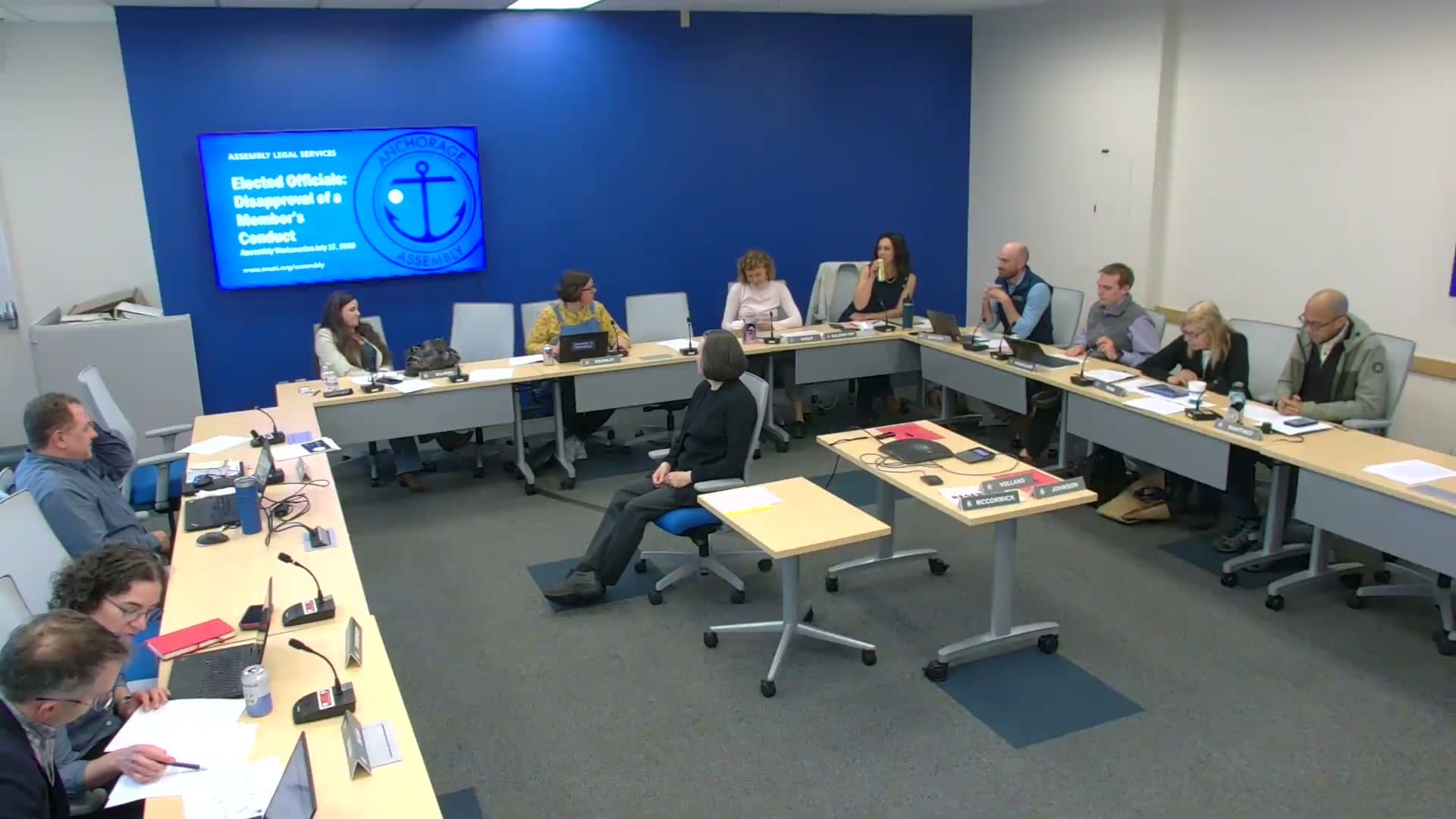
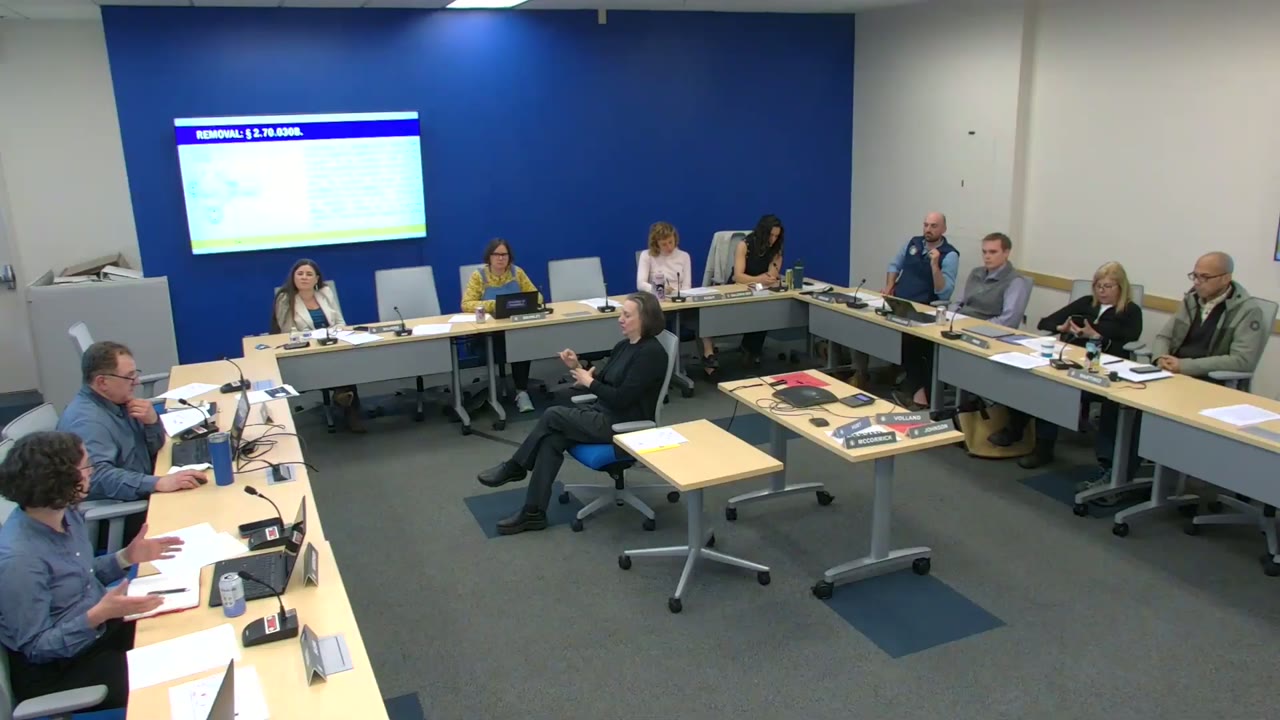
"that process should end once it becomes a formal accusation, because the Assembly should protect itself and preserve— really protect the universe of information it's looking at. Because at the ultimate end of this process, the Assembly will be called upon to review hearing officer's decision, and at that point you should only be looking at what's in the record there. So this is the point where we kind of drop the gate on Assemblymember investigation."
“that process should end once it becomes a formal accusation, because the Assembly should protect itself and preserve— really protect the universe of information it's looking at. Because at the ultimate end of this process, the Assembly will be called upon to review hearing officer's decision, and at that point you should only be looking at what's in the record there. So this is the point where we kind of drop the gate on Assemblymember investigation.”
- Speaker
- Eva Gardner
- Timestamp
- 39:10 – 39:34
- Community
- Alaska News
- Location
- Anchorage
- Captured at
- July 17, 2026
From the transcript
But that process should end once it becomes a formal accusation, because the Assembly should protect itself and preserve— really protect the universe of information it's looking at. Because at the ultimate end of this process, the Assembly will be called upon to review hearing officer's decision, and at that point you should only be looking at what's in the record there. So this is the point where we kind of drop the gate on Assemblymember investigation. Information should flow through the investigation and the hearing process.
Related Coverage
Anchorage Assembly studies removal process it has never used
The Anchorage Assembly held a dedicated worksession Friday to walk through the full legal framework for disciplining or removing a member, a process first enacted in 1993 for Assembly and school board members and expanded in 2022, that no current member has ever seen applied.
 by Walter AlaskaNews3mo ago2 min read