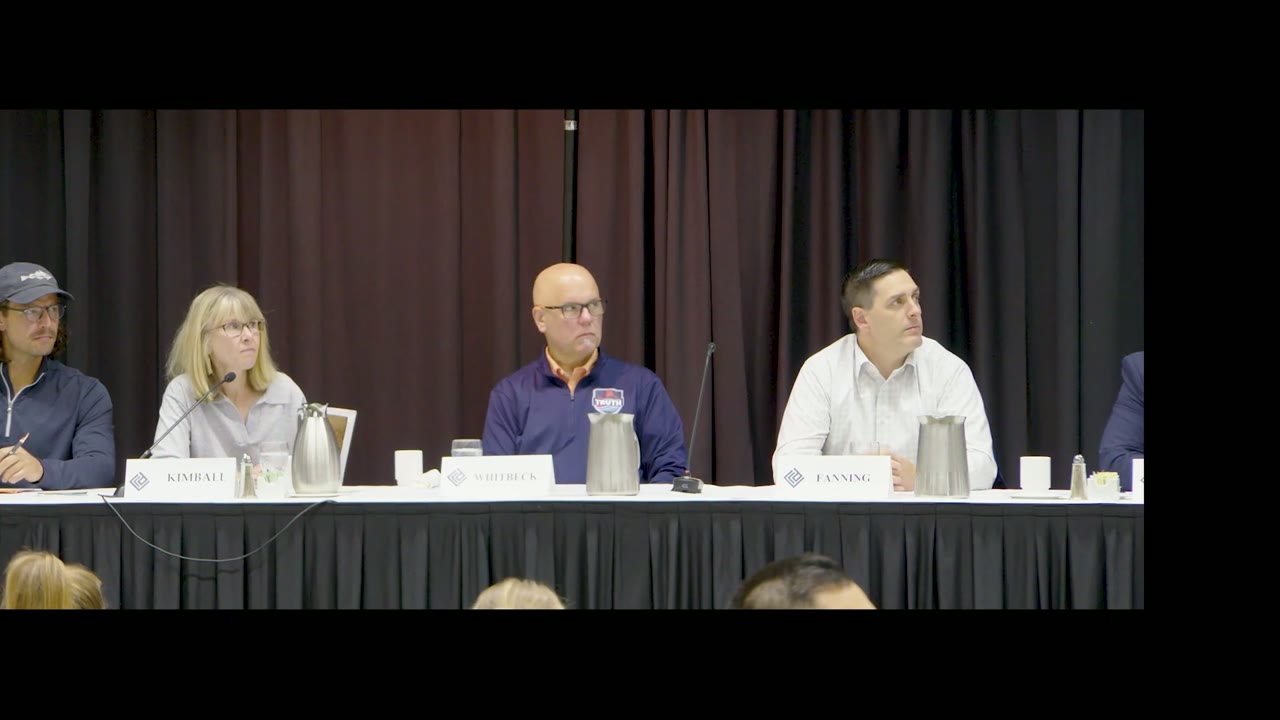
Nicole Kimball
11:54 - 12:33
“this is pretty important in understanding how the fishery works and why we can say things about habitat impact or bycatch impact or what's caught in the pollock fishery, and that's because there's 100% monitoring required by law. So we have transitioned, or the fisheries transitioned, in both the Bering Sea and the Gulf of Alaska to electronic monitoring. So there's multiple cameras on every trip, every pollock trip.”
- Speaker
- Nicole Kimball
- Timestamp
- 11:54 – 12:33
- Community
- Alaska News
- Location
- Alaska
- Captured at
- September 8, 2026
From the transcript
This is a big flashy slide for a very boring topic, but this is pretty important in understanding how the fishery works and why we can say things about habitat impact or bycatch impact or what's caught in the pollock fishery, and that's because there's 100% monitoring required by law. So we have transitioned, or the fisheries transitioned, in both the Bering Sea and the Gulf of Alaska to electronic monitoring. So there's multiple cameras on every trip, every pollock trip. And then for catcher vessels, vessels that are delivering into Alaska, that— all those cameras do is make sure that nothing is discarded overboard. That everything's retained on the vessel.
Related Coverage
Pollock official puts bycatch impact on Western Alaska runs at 1.9%
Pollock fishing in the Bering Sea reduces Western Alaska salmon returns by 1.9% on average, but a proposed cap on chum bycatch won't take effect until 2028 and tribal groups say it's still not enough.