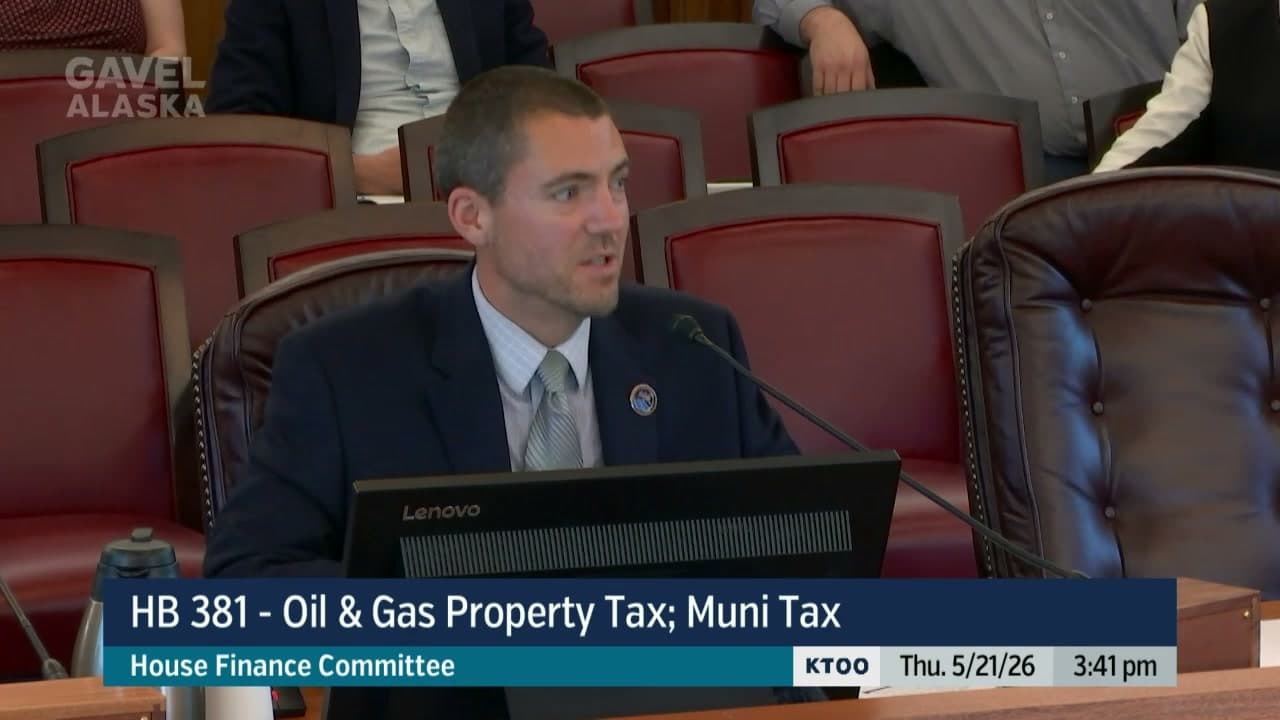
“what is the capital cost of the project? As we all know, that, that cost has not been released publicly. There's been speculation that the capital cost is higher than the $46.2 billion that we've modeled. And so what we've done here is we've started with our base CAPEX, which is the $46.2 $6.2 billion assumption, and we've modeled out up to a 100% higher cost.”
- Speaker
- Dan Stickel
- Timestamp
- 63:17 – 63:55
- Community
- Alaska News
- Captured at
- May 21, 2026
From the transcript
And then what is the capital cost of the project? As we all know, that, that cost has not been released publicly. There's been speculation that the capital cost is higher than the $46.2 billion that we've modeled. And so what we've done here is we've started with our base CAPEX, which is the $46.2 $6.2 billion assumption, and we've modeled out up to a 100% higher cost. We've heard from AGDC and Glenfarm that that 100% is probably too high, but so this gives a range that we're pretty confident that the capital cost is within this range.
Related Coverage
Alaska gas line faces economic challenge even with tax breaks
The Alaska LNG project would struggle to compete in global markets even under the governor's proposed tax relief, with breakeven prices at the high end of current futures markets, according to state modeling presented to the House Finance Committee on Thursday.
 by Walter AlaskaNews1mo ago3 min readAI
Juneau, Alaska