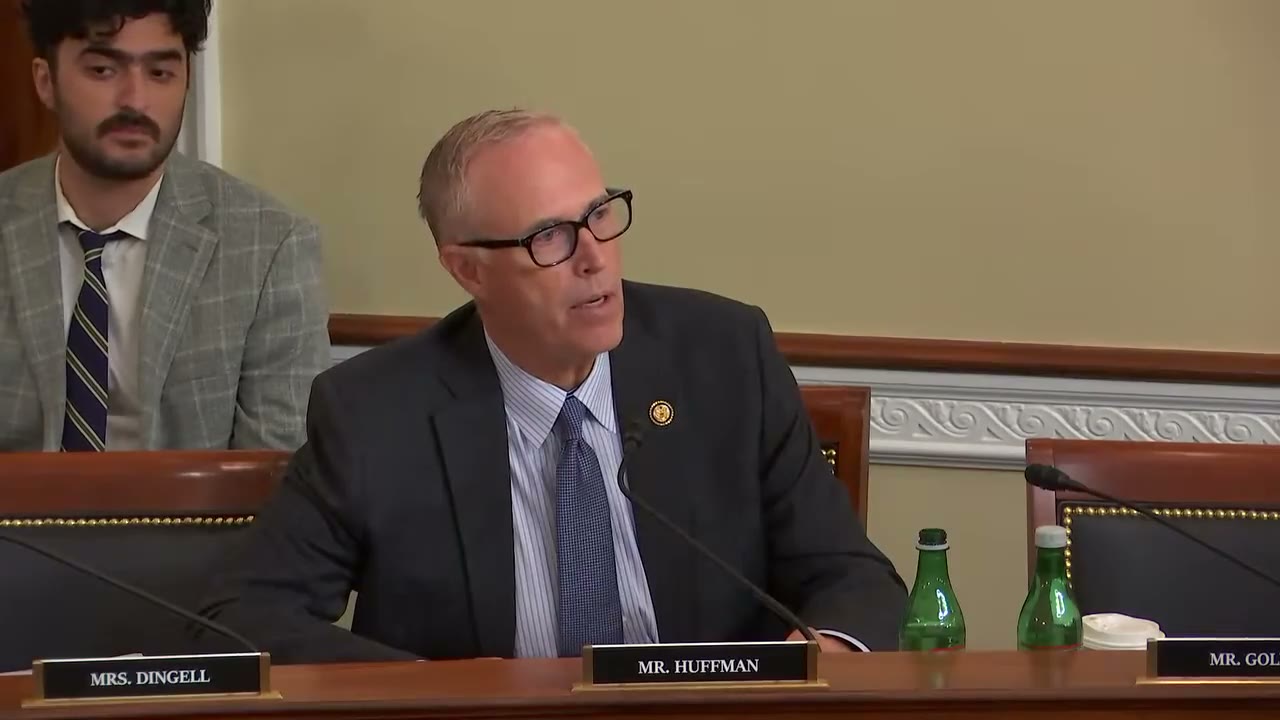
Eric Beightel
95:22 - 96:10
"it's clear that there is some obstruction occurring on the clean energy projects. We've seen that without, without question, that the, the process that the Department of Interior is undertaking is going to slow that process down. And the fact that these projects that have been posted to the data dashboard have not fulfilled their permitting timetables on the timeline that is required also indicates that there is a lack of motivation, at least, to move forward on them."
“it's clear that there is some obstruction occurring on the clean energy projects. We've seen that without, without question, that the, the process that the Department of Interior is undertaking is going to slow that process down. And the fact that these projects that have been posted to the data dashboard have not fulfilled their permitting timetables on the timeline that is required also indicates that there is a lack of motivation, at least, to move forward on them.”
- Speaker
- Eric Beightel
- Timestamp
- 95:22 – 96:10
- Community
- Alaska News
- Captured at
- July 21, 2026
From the transcript
Would you agree, and do you think that We've got to do more than just pass legislation in order to achieve the benefit that we think we're getting with a bill like this. Yeah, I think that it's, it's clear that there is some obstruction occurring on the clean energy projects. We've seen that without, without question, that the, the process that the Department of Interior is undertaking is going to slow that process down. And the fact that these projects that have been posted to the data dashboard have not fulfilled their permitting timetables on the timeline that is required also indicates that there is a lack of motivation, at least, to move forward on them. Um, you know, the, the question as to whether or not we— there is more that we can legislate to ensure good faith is a difficult one.
Related Coverage
The program mapping Alaska's unknown ground expires this year
Bipartisan House bills would reauthorize the USGS Earth Mapping Resources Initiative, which has nearly doubled Alaska's public subsurface geologic data since 2019, through 2031.
 by Maggie AlaskaNewsadded 2mo ago1 min read
A permitting bill could open the federal fast lane to Alaska projects
A bipartisan bill would lower the FAST-41 permitting threshold from $200 million to $50 million, opening federal fast-track review to far more Alaska infrastructure projects.
by Maggie AlaskaNewsadded 2mo ago2 min read