0:31
Dan Stickel
69:46 - 70:17
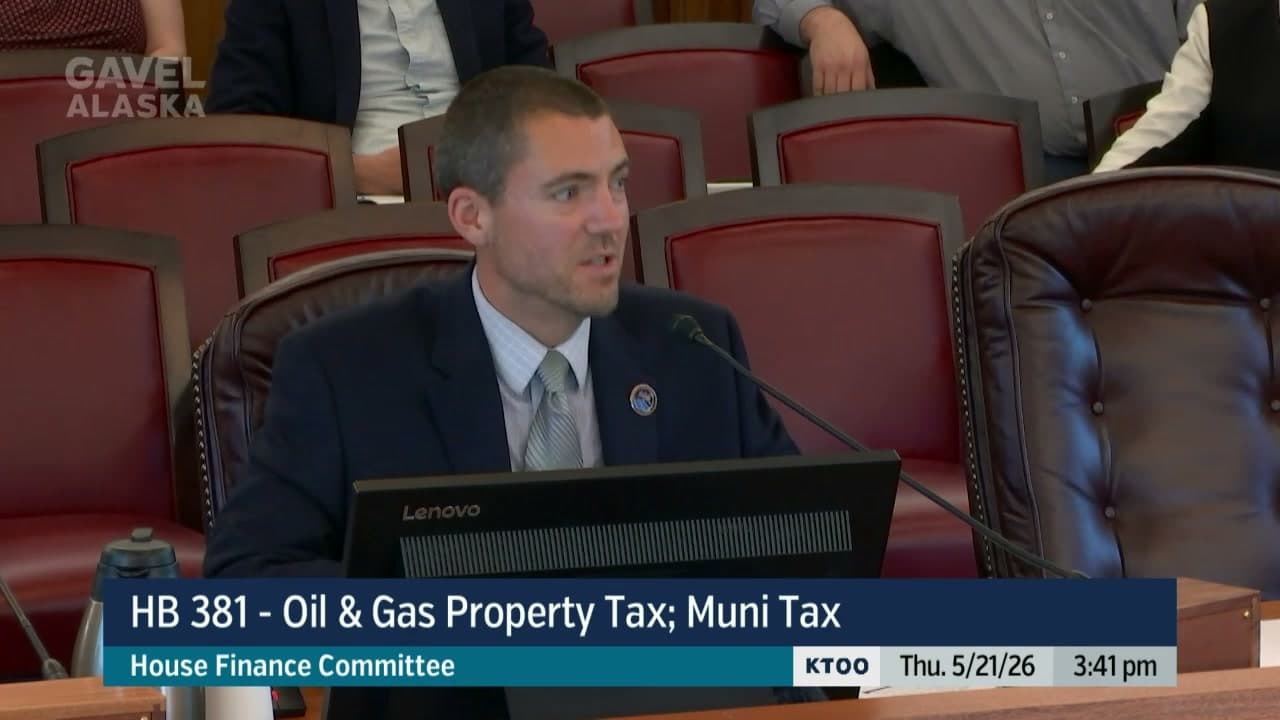
"this is really the the key slide as far as these matrices go. And this is the sensitivity analysis for the LNG breakeven price into the global market. We talked earlier that futures market prices indicate something in that $8 to $9 range. And so you can see that the project is challenged for these prices."
“this is really the the key slide as far as these matrices go. And this is the sensitivity analysis for the LNG breakeven price into the global market. We talked earlier that futures market prices indicate something in that $8 to $9 range. And so you can see that the project is challenged for these prices.”
- Speaker
- Dan Stickel
- Timestamp
- 69:46 – 70:17
- Community
- Alaska News
- Captured at
- May 21, 2026
From the transcript
All right, so moving on to slide 33, and I think this is really the the key slide as far as these matrices go. And this is the sensitivity analysis for the LNG breakeven price into the global market. We talked earlier that futures market prices indicate something in that $8 to $9 range. And so you can see that the project is challenged for these prices. Is, generally speaking.
Related Coverage
Alaska gas line faces economic challenge even with tax breaks
The Alaska LNG project would struggle to compete in global markets even under the governor's proposed tax relief, with breakeven prices at the high end of current futures markets, according to state modeling presented to the House Finance Committee on Thursday.
 by Walter AlaskaNews1mo ago3 min readAI
Juneau, Alaska
House Resources gas line bill would cost municipalities $13B under governor's plan
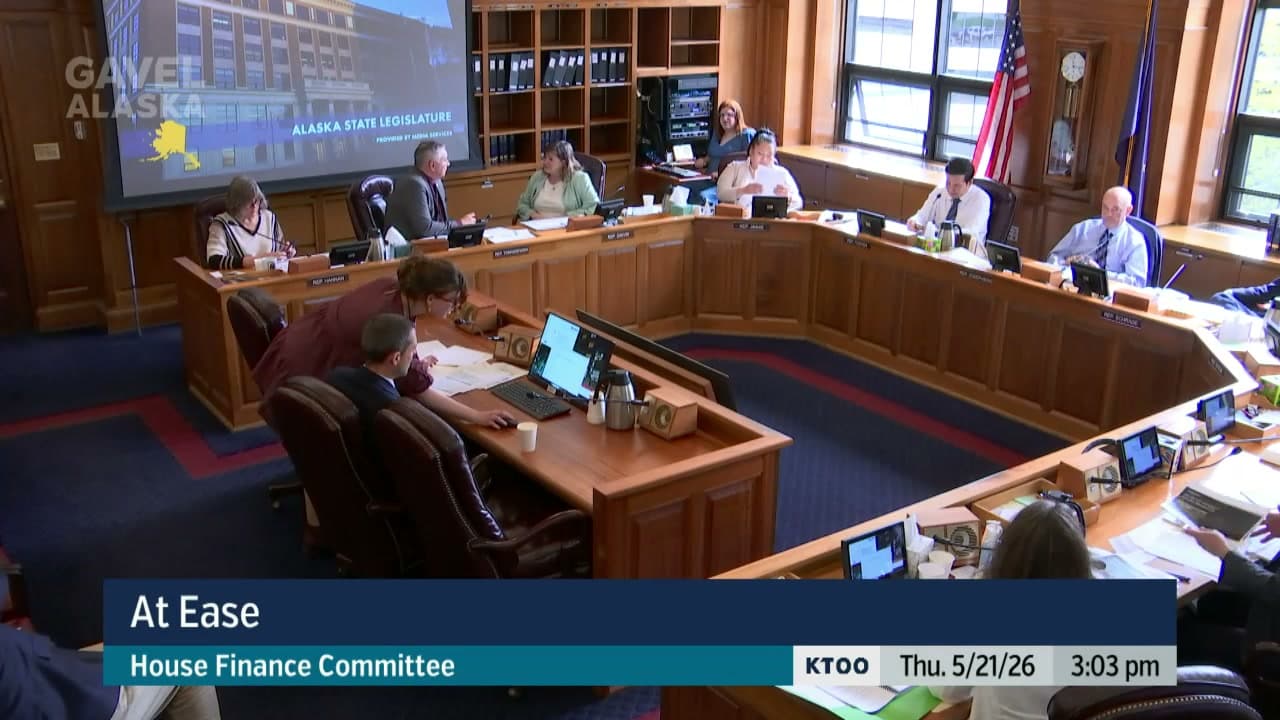
The Alaska House Finance Committee heard Thursday that the governor's version of HB 381 would reduce municipal property tax revenue from the Alaska LNG project by over $13 billion compared to current law, while the House Resources version would actually increase municipal revenue by retaining property tax on the gas treatment plant and LNG facility.
by Walter AlaskaNews1mo ago3 min readAIJuneau, Alaska