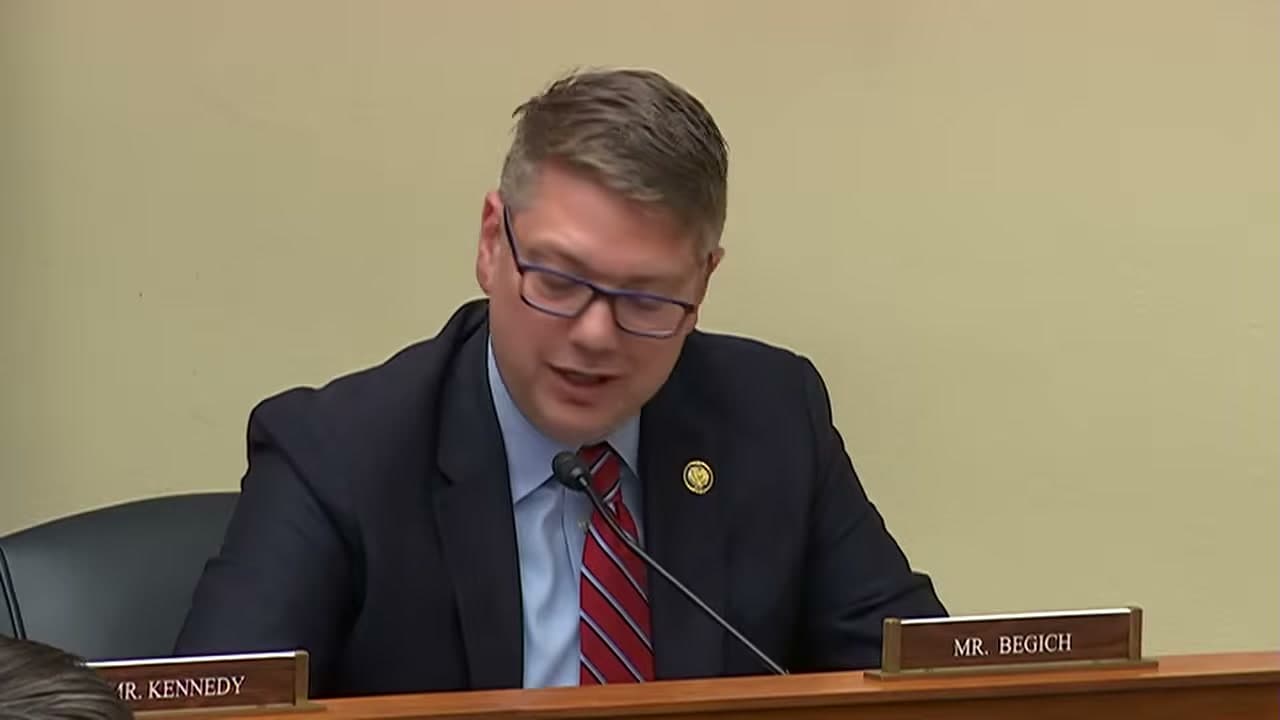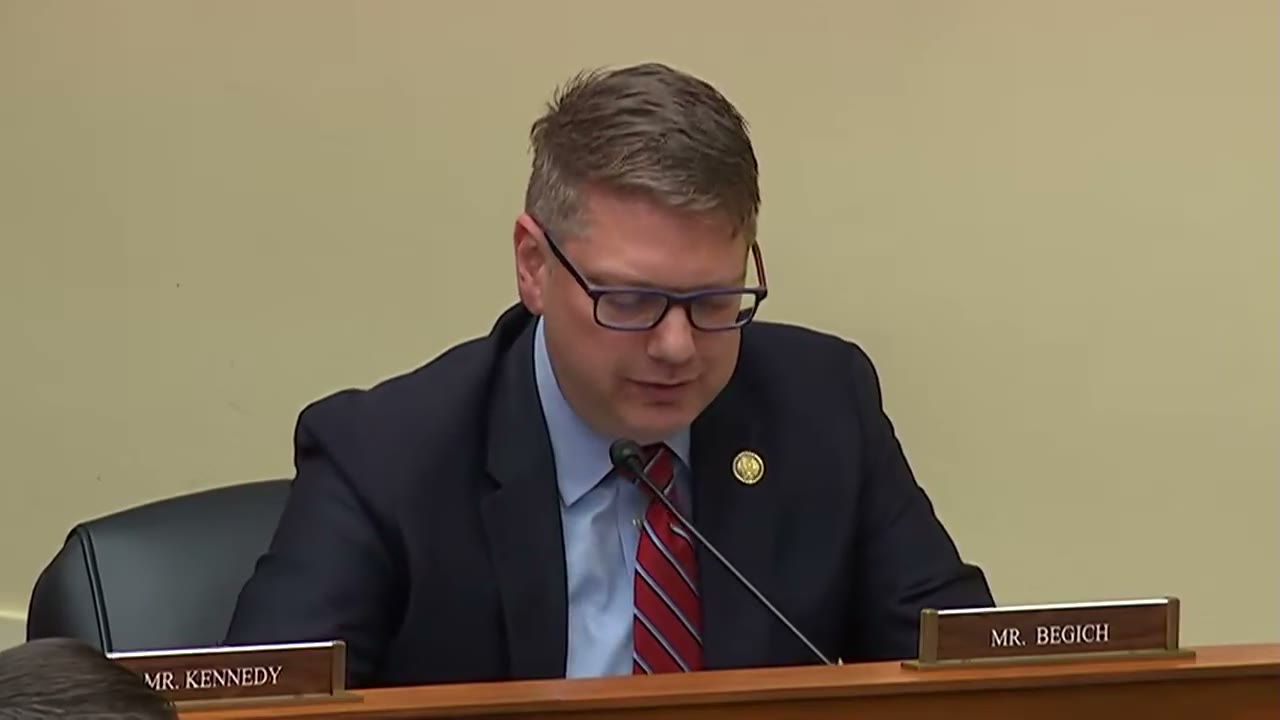
Nick Begich
43:53 - 44:41
"The Geopower Act takes that on directly. It sets up a milestone-based geothermal demonstration program at the Department of Energy aimed at next-generation geothermal systems in low permeability and impermeable reservoirs.— the kind of geology that falls outside the traditional hydrothermal zones we've relied on out in the West. Financing is tied to technical and financial milestones rather than upfront grants, which protects taxpayers."
“The Geopower Act takes that on directly. It sets up a milestone-based geothermal demonstration program at the Department of Energy aimed at next-generation geothermal systems in low permeability and impermeable reservoirs.— the kind of geology that falls outside the traditional hydrothermal zones we've relied on out in the West. Financing is tied to technical and financial milestones rather than upfront grants, which protects taxpayers.”
- Speaker
- Nick Begich
- Timestamp
- 43:53 – 44:41
- Community
- Alaska News
- Captured at
- July 21, 2026
From the transcript
The resource itself has never been the problem. The problem has been the cost and risk of drilling into geologies where no one has previously proven a resource. The Geopower Act takes that on directly. It sets up a milestone-based geothermal demonstration program at the Department of Energy aimed at next-generation geothermal systems in low permeability and impermeable reservoirs.— the kind of geology that falls outside the traditional hydrothermal zones we've relied on out in the West. Financing is tied to technical and financial milestones rather than upfront grants, which protects taxpayers, and it requires at least 3 projects in at least 3 states with at least 3 separate sponsors generating data in diverse geologies.
Related Coverage
Alaska has the most earthquakes. The program that watches them expired in 2023.
A House committee voted to reauthorize the federal earthquake program, expired since 2023, along with a geothermal bill aimed at cutting diesel dependence in remote Alaska communities.
 by Melinda Communities.Newsadded 2mo ago2 min read