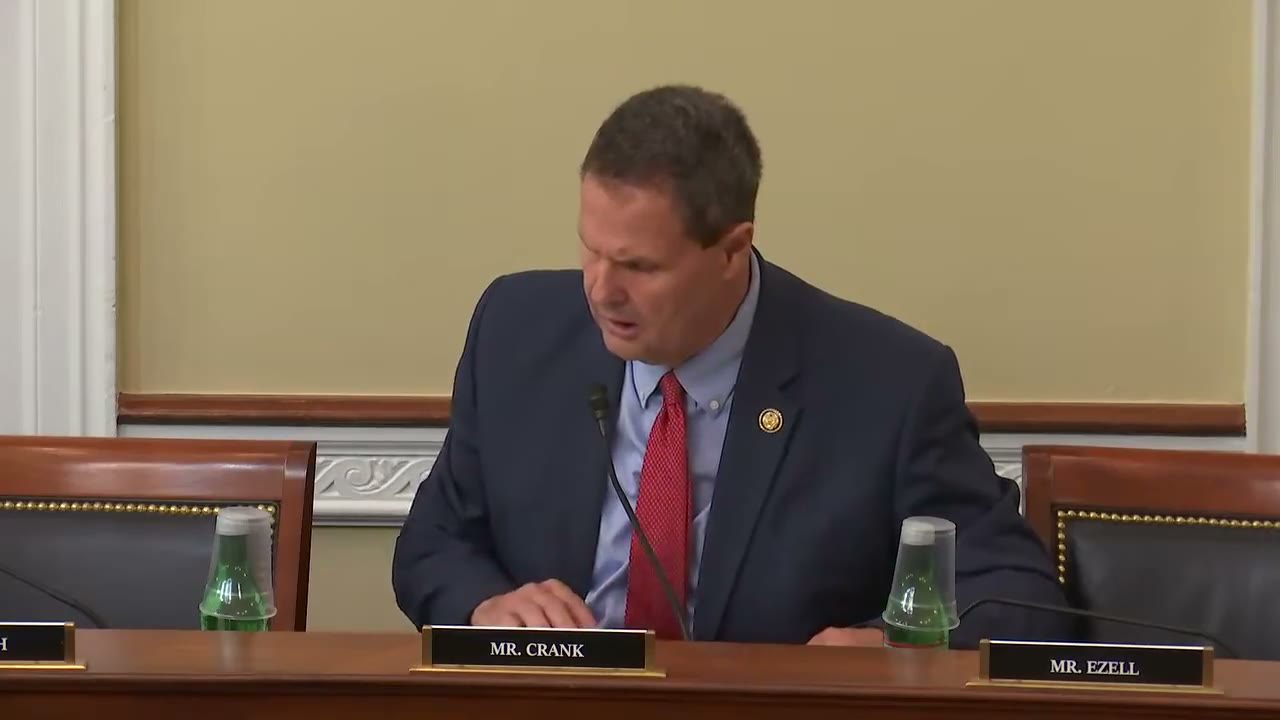
Emily Domenech
41:05 - 41:36
"I actually think it could allow us to serve sectors we've never served before. I mean, I think, you know, I use the water resources as an example, but that's a place where you can have smaller-scale projects, port developments, things like that. Broadband is another one where we've really only been able to serve those projects under our tribal exemption. So it'd be great to be able to get more of those small-scale, frankly very local and rural projects on the dashboard."
“I actually think it could allow us to serve sectors we've never served before. I mean, I think, you know, I use the water resources as an example, but that's a place where you can have smaller-scale projects, port developments, things like that. Broadband is another one where we've really only been able to serve those projects under our tribal exemption. So it'd be great to be able to get more of those small-scale, frankly very local and rural projects on the dashboard.”
- Speaker
- Emily Domenech
- Timestamp
- 41:05 – 41:36
- Community
- Alaska News
- Captured at
- July 21, 2026
From the transcript
A huge part of our work is, again, meeting with potential developers, meeting with folks in the community, meeting with members of Congress to establish where there's an opportunity for investment and development. I actually think it could allow us to serve sectors we've never served before. I mean, I think, you know, I use the water resources as an example, but that's a place where you can have smaller-scale projects, port developments, things like that. Broadband is another one where we've really only been able to serve those projects under our tribal exemption. So it'd be great to be able to get more of those small-scale, frankly very local and rural projects on the dashboard.
Related Coverage
The program mapping Alaska's unknown ground expires this year
Bipartisan House bills would reauthorize the USGS Earth Mapping Resources Initiative, which has nearly doubled Alaska's public subsurface geologic data since 2019, through 2031.
 by Maggie AlaskaNewsadded 2mo ago1 min read
A permitting bill could open the federal fast lane to Alaska projects
A bipartisan bill would lower the FAST-41 permitting threshold from $200 million to $50 million, opening federal fast-track review to far more Alaska infrastructure projects.
by Maggie AlaskaNewsadded 2mo ago2 min read