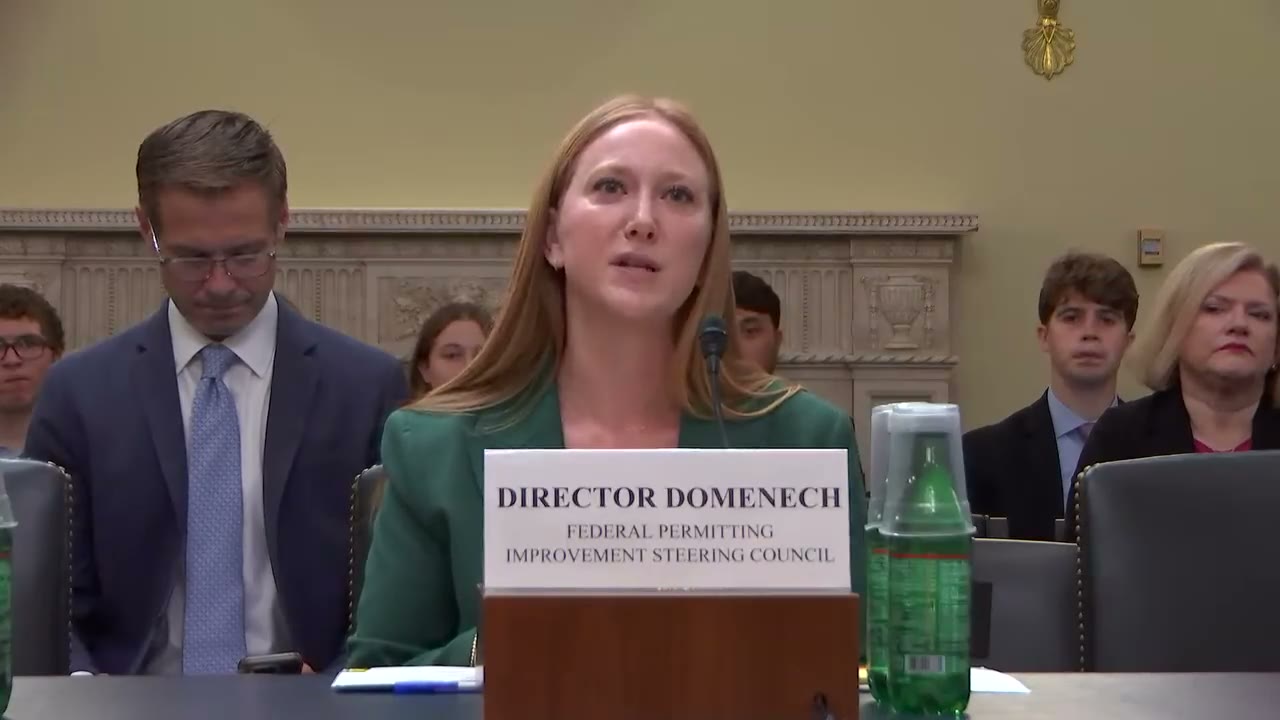
Emily Domenech
27:03 - 27:47
"where we see a lot of the questions about eligibility come from projects like broadband projects, like water resources projects, from things that bring online small energy projects or production in, frankly, the energy storage space sometimes can be smaller-scale projects. So my hope is that, you know, when I came in as executive director, I really wanted to ensure we were listing a project in every single one of our 19 sectors. We're at 13 right now."
“where we see a lot of the questions about eligibility come from projects like broadband projects, like water resources projects, from things that bring online small energy projects or production in, frankly, the energy storage space sometimes can be smaller-scale projects. So my hope is that, you know, when I came in as executive director, I really wanted to ensure we were listing a project in every single one of our 19 sectors. We're at 13 right now.”
- Speaker
- Emily Domenech
- Timestamp
- 27:03 – 27:47
- Community
- Alaska News
- Captured at
- July 21, 2026
From the transcript
By lowering the threshold for eligibility under FAST-41, we're opening these benefits to a broader set of projects, not just the large-scale projects we're trying to build across the United States. Can you highlight how enabling a greater number of mid-sized infrastructure projects would benefit our rural communities? So it's a great question, and I think where we see a lot of the questions about eligibility come from projects like broadband projects, like water resources projects, from things that bring online small energy projects or production in, frankly, the energy storage space sometimes can be smaller-scale projects. So my hope is that, you know, when I came in as executive director, I really wanted to ensure we were listing a project in every single one of our 19 sectors. We're at 13 right now.
Related Coverage
The program mapping Alaska's unknown ground expires this year
Bipartisan House bills would reauthorize the USGS Earth Mapping Resources Initiative, which has nearly doubled Alaska's public subsurface geologic data since 2019, through 2031.
 by Maggie AlaskaNewsadded 2mo ago1 min read
A permitting bill could open the federal fast lane to Alaska projects
A bipartisan bill would lower the FAST-41 permitting threshold from $200 million to $50 million, opening federal fast-track review to far more Alaska infrastructure projects.
by Maggie AlaskaNewsadded 2mo ago2 min read