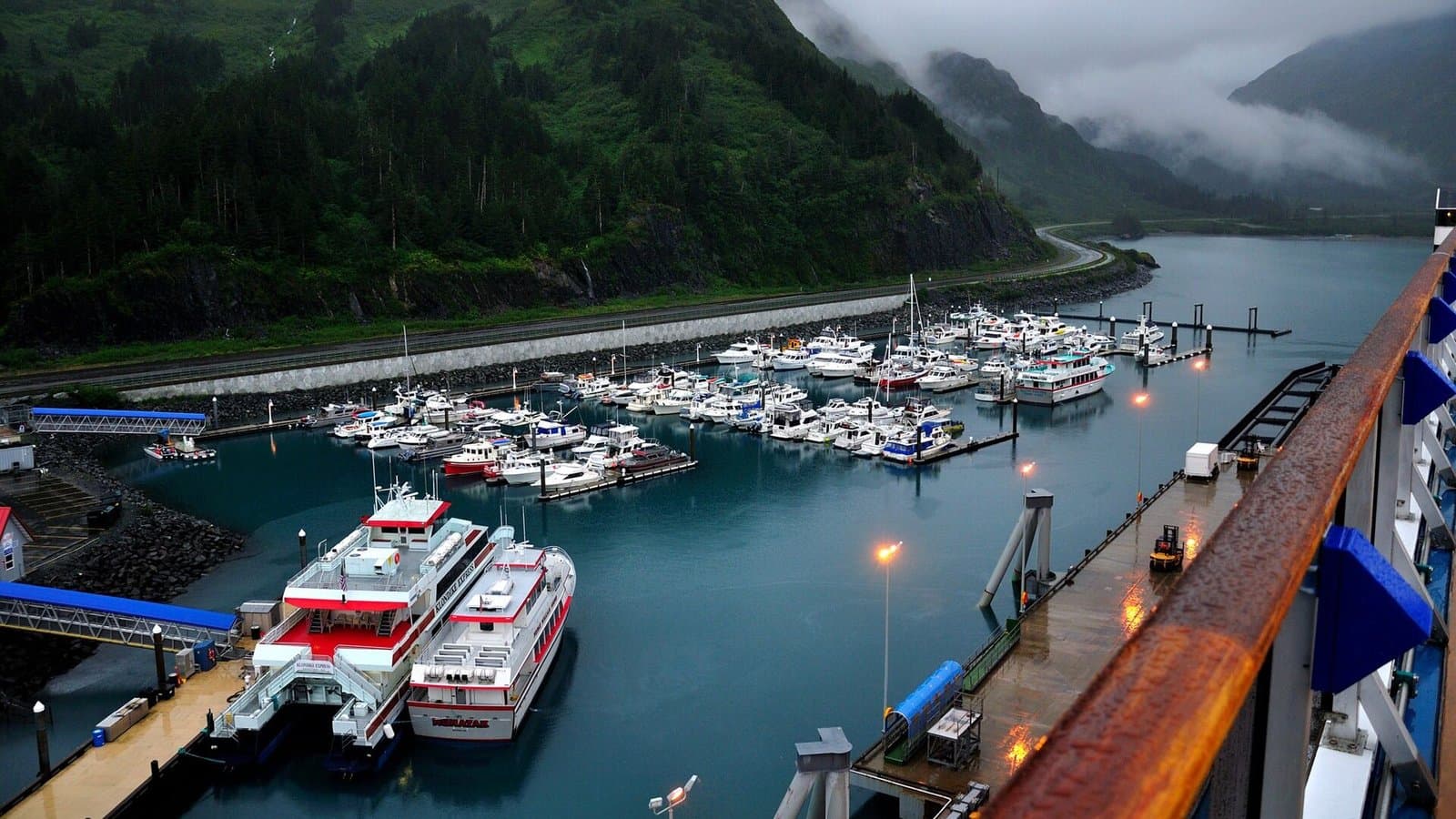
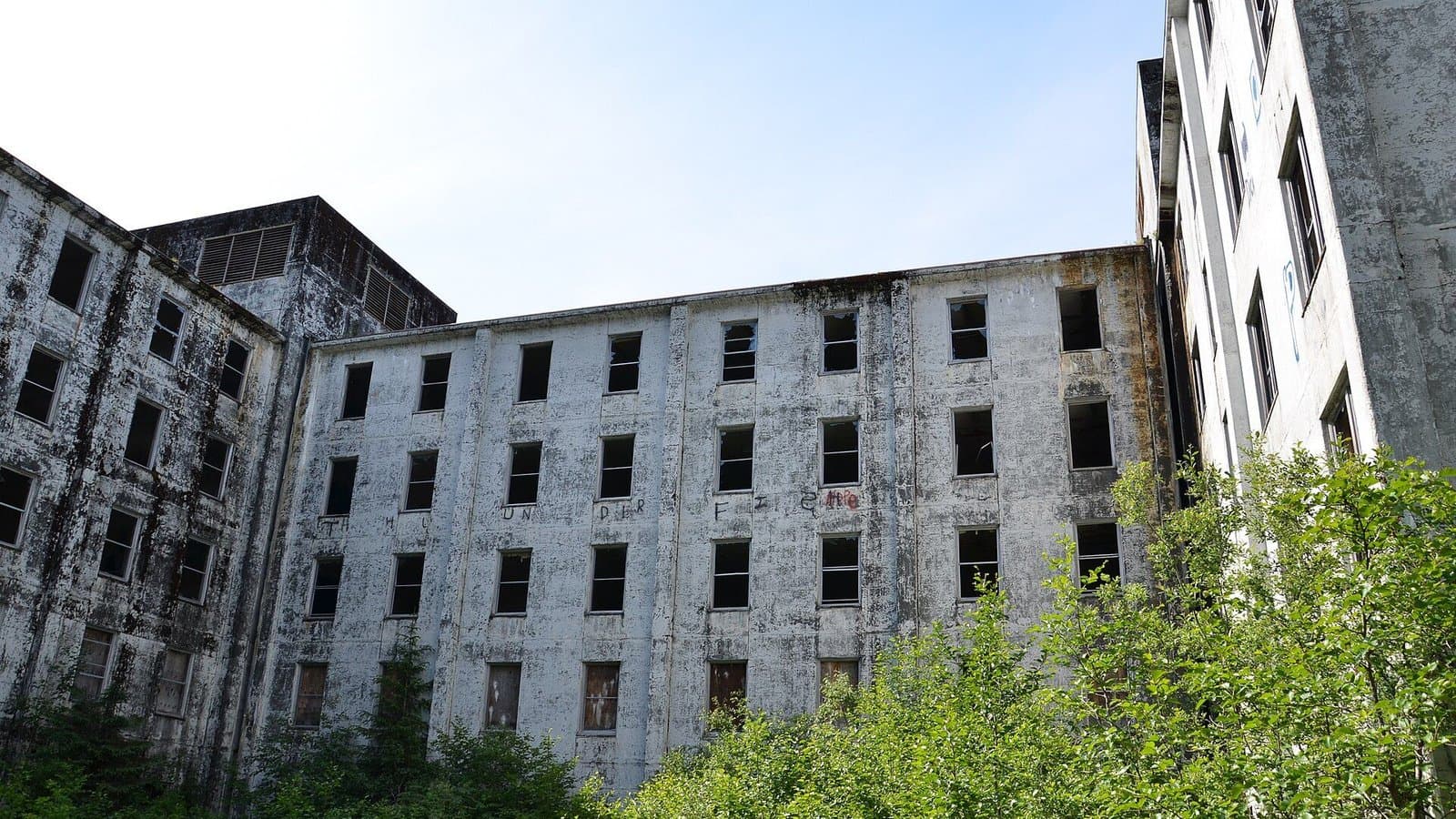
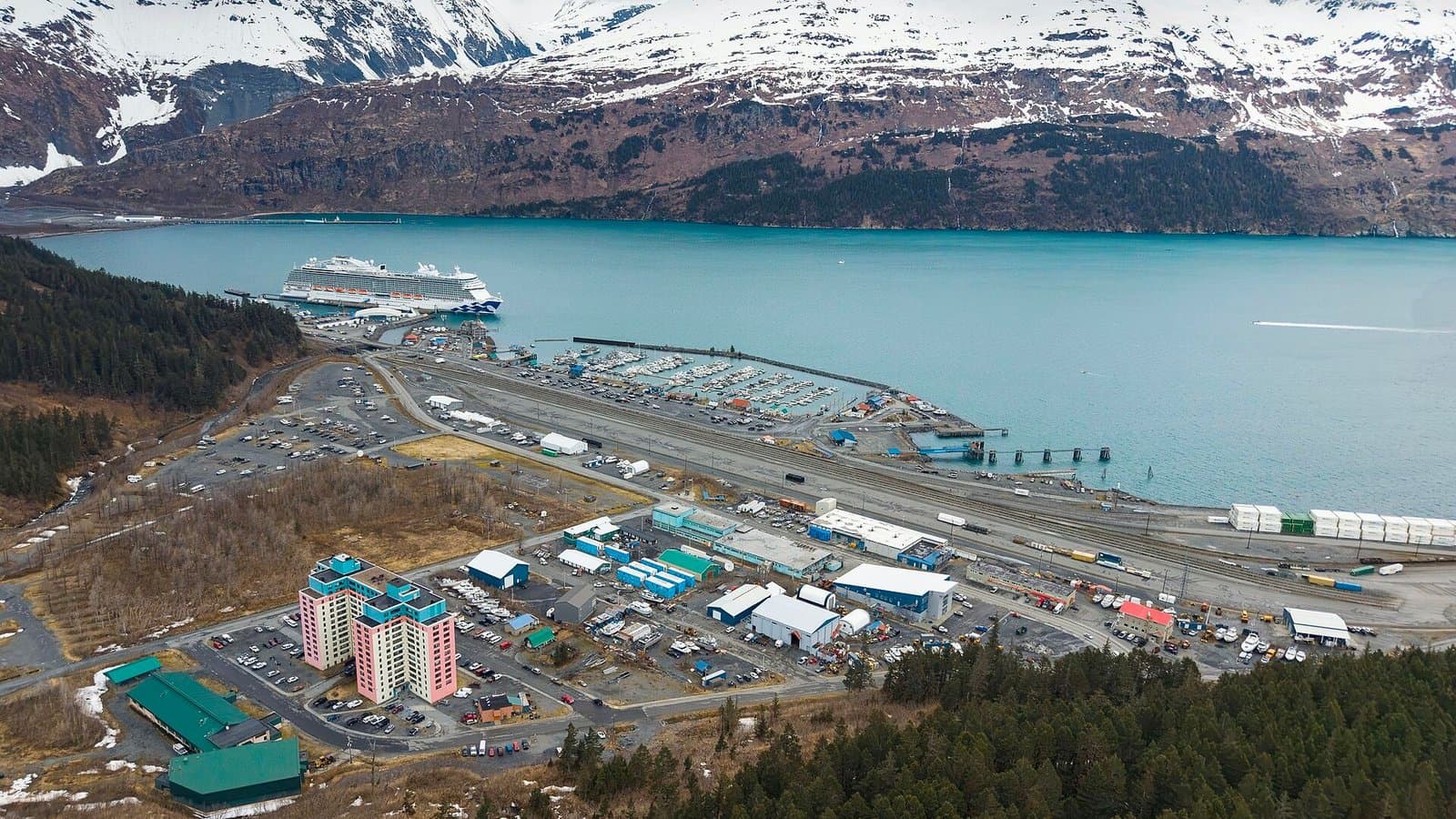
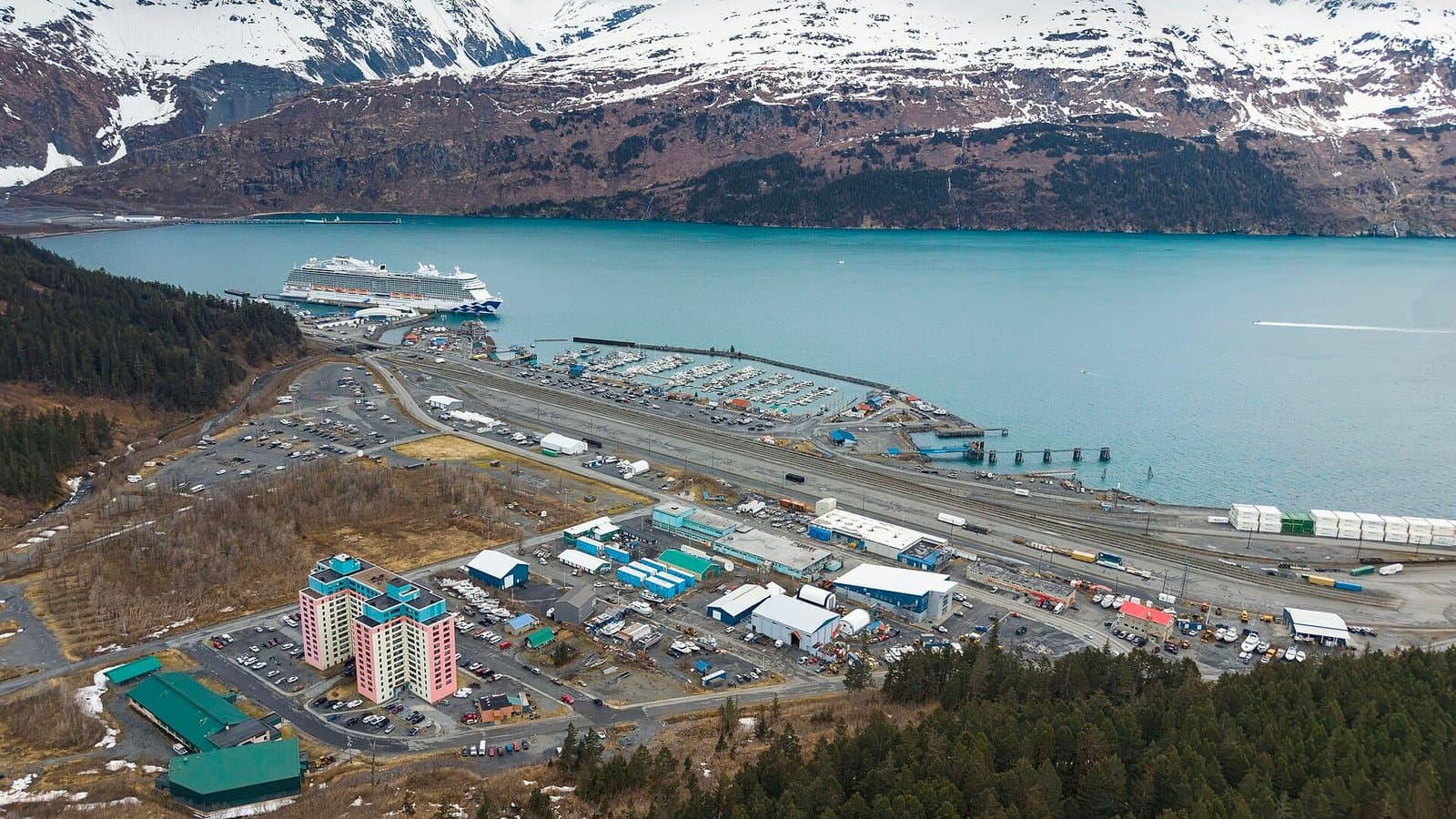
Photo: Len Turner via Wikimedia Commons · Photo source · CC BY 2.0
Whittier harbor's new meters produced $7,000 bills and its new floats cracked
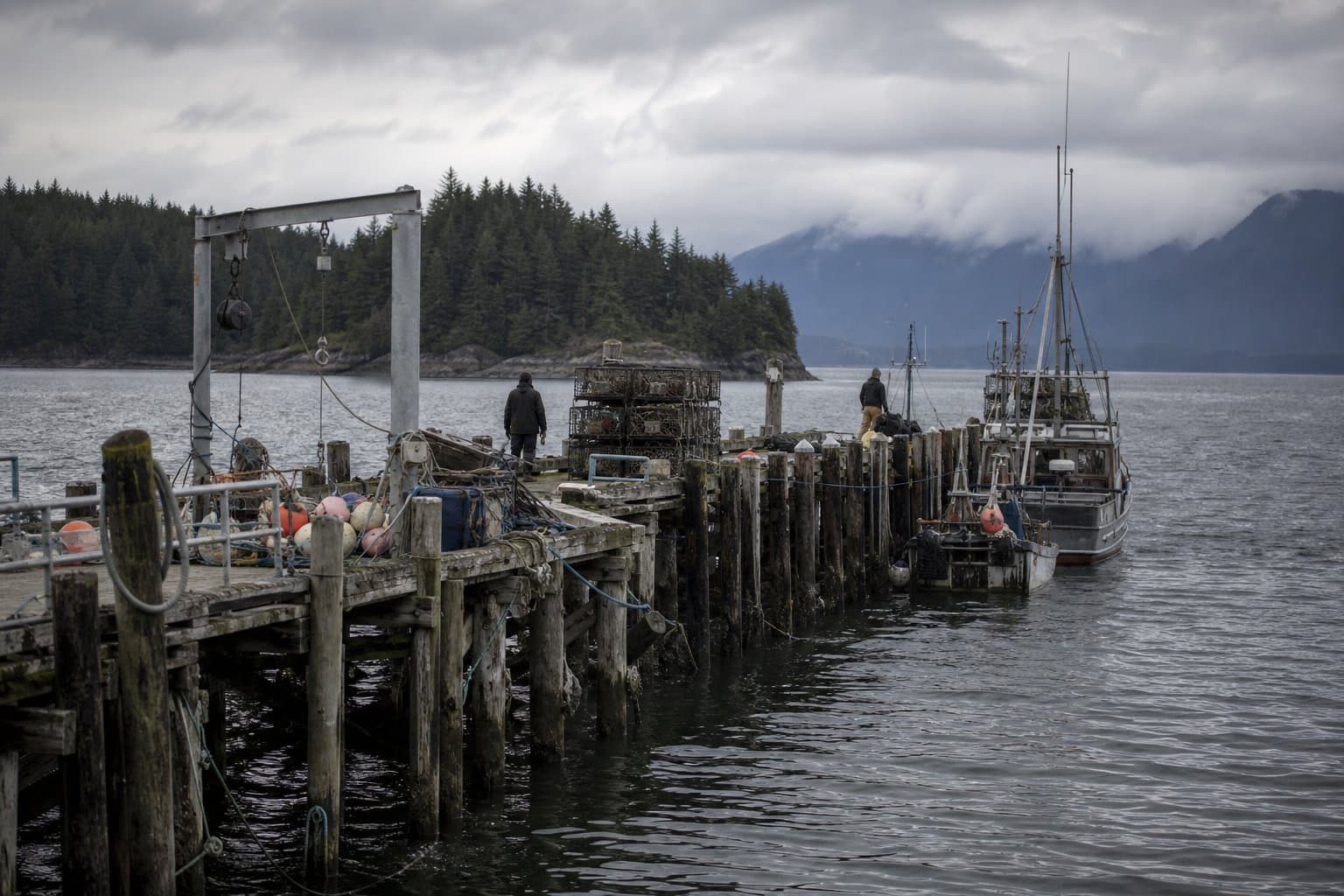
Whittier's Port and Harbor Advisory Commission will hear updates Tuesday on two problems with the harbor's new equipment: wireless power meters that produced some $7,000 bills, and new concrete floats that began cracking last winter.
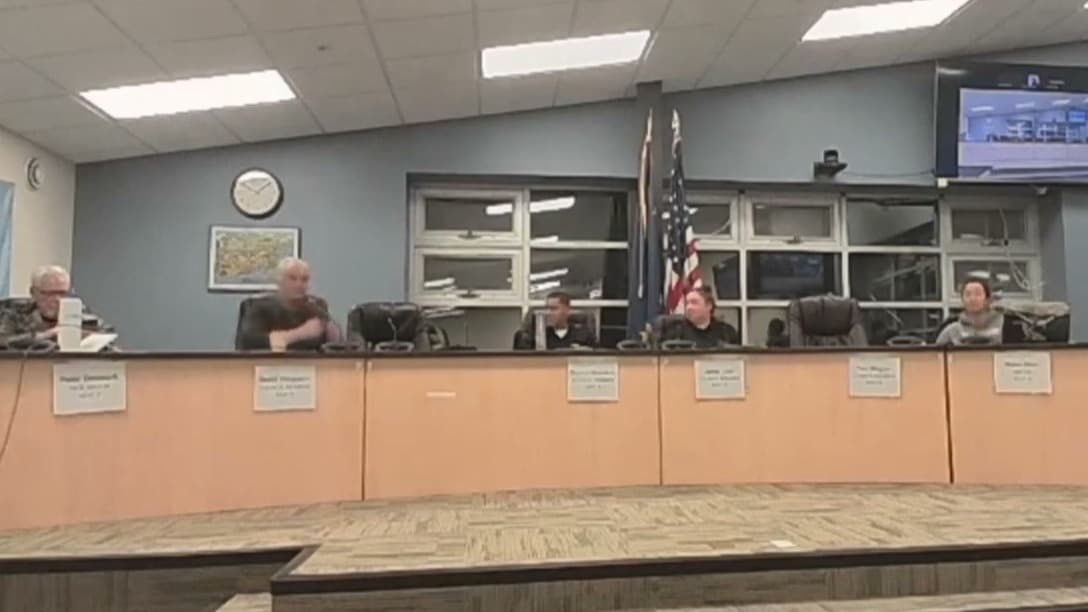
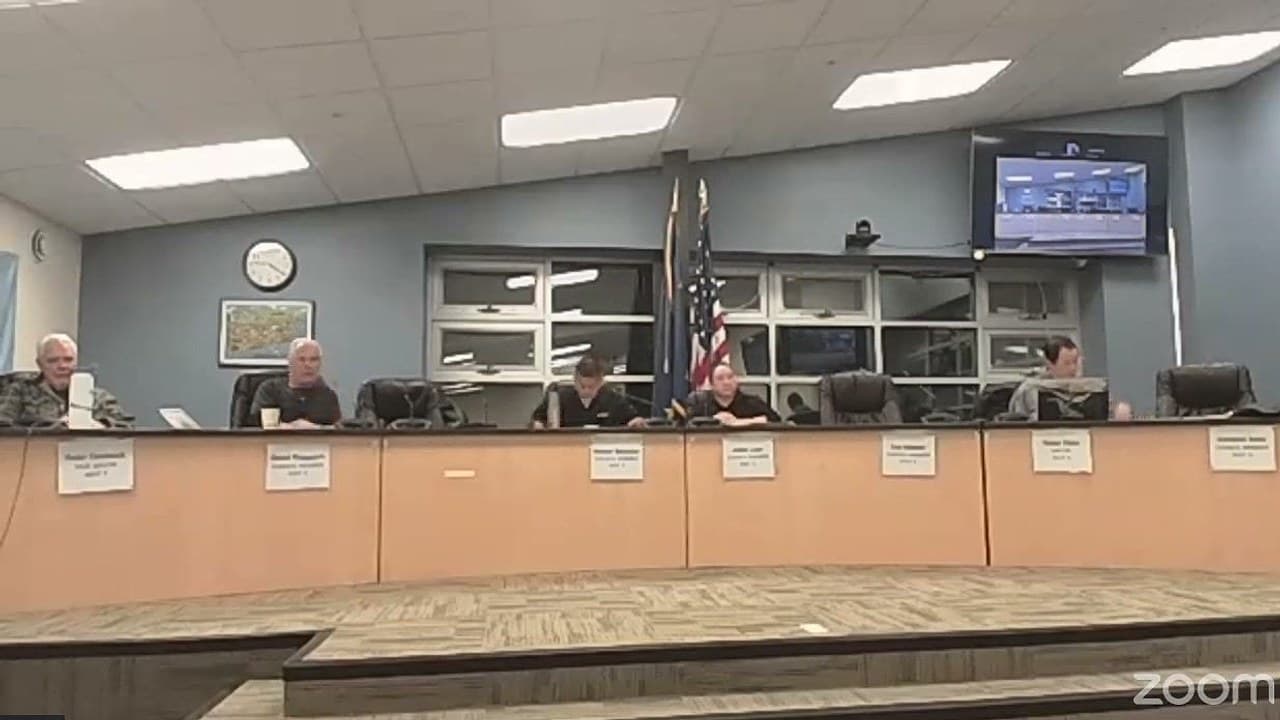
The meeting comes a week before the City Council's Nov. 17 public hearing on next year's fee schedule, which sets moorage and power rates.
Harbormaster Dave Borg told the council in August that the new digital meters read so badly that "some folks had $7,000 power bills," tied to "those six or seven meters." About 80% of the meters read correctly, he said. He suspected the meters' built-in software, with meters on B float relaying other meters' data.
The harbor stopped charging for power for about three months, Borg said, then billed boats at an estimated 30% of capacity, based on an electrical engineer's calculation of how much power a boat uses at full capacity. Customers who could show lower bills in the past could likely get adjustments, he said, though the old analog readers had long been unreliable, so they offered no check.
The harbor's October report says billing on recorded use began that month, with "excellent results" after software and antenna adjustments. City records don't show how many bills ran high, whether anyone paid one or how much the city has credited customers.
Harbor Rebuild Phase III replaced about a third of the harbor's floats. In November 2025, commission minutes have Borg describing "a stable, well-performing system." Five weeks later, a site walk found cracking, flaking and soft concrete.
In December, Borg read the council an email from the contractor, Harris Sand and Gravel, to the float maker, Bellingham Marine. It said the city had not accepted the float modules and raised the possibility of replacing them, citing a 50-year service life.
City reports since then have tracked the problem. In January, the flaking was called cosmetic. In April, a preliminary finding pointed to clumps of clay in the concrete mix that held moisture and froze. By August, no final fix had been chosen, and in September the city got a one-year extension on its grant to resolve "concrete quality control" issues. City records don't identify a remedy or who would pay for one.
Moorage and power rates are on Tuesday's agenda only for information. The proposed schedule lists preferential moorage at $87.84 a foot a year for 2027, up to $90.21 in 2028, and harbor power at 22 cents a kilowatt-hour in 2027 and 23 cents in 2028. The rates rise with a three-year average of the consumer price index. If the council adopts the fee schedule, the new rates would take effect Jan. 1.
What did you make of this story? (no account needed)
Made by our human newsroom with AI. Reviewed by Cale Green. How humans and AI work here · Grow with our newsroom ·
Get Alaska News in your inbox
Create your free account and get the day’s top stories around 6 each morning, in a few minutes’ read.
The day's top stories around 6 each morning. Unsubscribe in one click.
Source: Whittier harbor commission gets its first regular update in a year on $7,000 power bills and cracked new floats, a week before rates go to hearing.



Comments
Sign in to leave a comment.
No comments yet. Be the first to share your thoughts.