White House NEPA overhaul opens 13.1 million federal acres to coal leasing
Federal Permitting Overhaul Reaches Alaska's Federal Lands
The Trump administration marked one year of its National Environmental Policy Act overhaul Tuesday with a White House fact sheet detailing reforms it says have streamlined permitting across more than 60 federal agencies and departments. The administration describes the effort as ending what it calls unnecessary delays in energy and infrastructure approvals.
"In this Administration, NEPA's regulatory reign of terror has ended," said Council on Environmental Quality Chair Katherine Scarlett.
The administration says it has adopted 195 categorical exclusions since taking office — a "Categorical Exclusions-First Approach" that allows agencies to complete environmental reviews faster by bypassing more intensive analysis for qualifying projects. The Bureau of Land Management has approved more than 6,100 Applications for Permits to Drill, the highest number in 15 years, and opened 13.1 million additional acres of federal land for coal leasing. The Department of the Interior also implemented emergency NEPA procedures that allow domestic energy and critical mineral projects to be permitted in under 28 days.
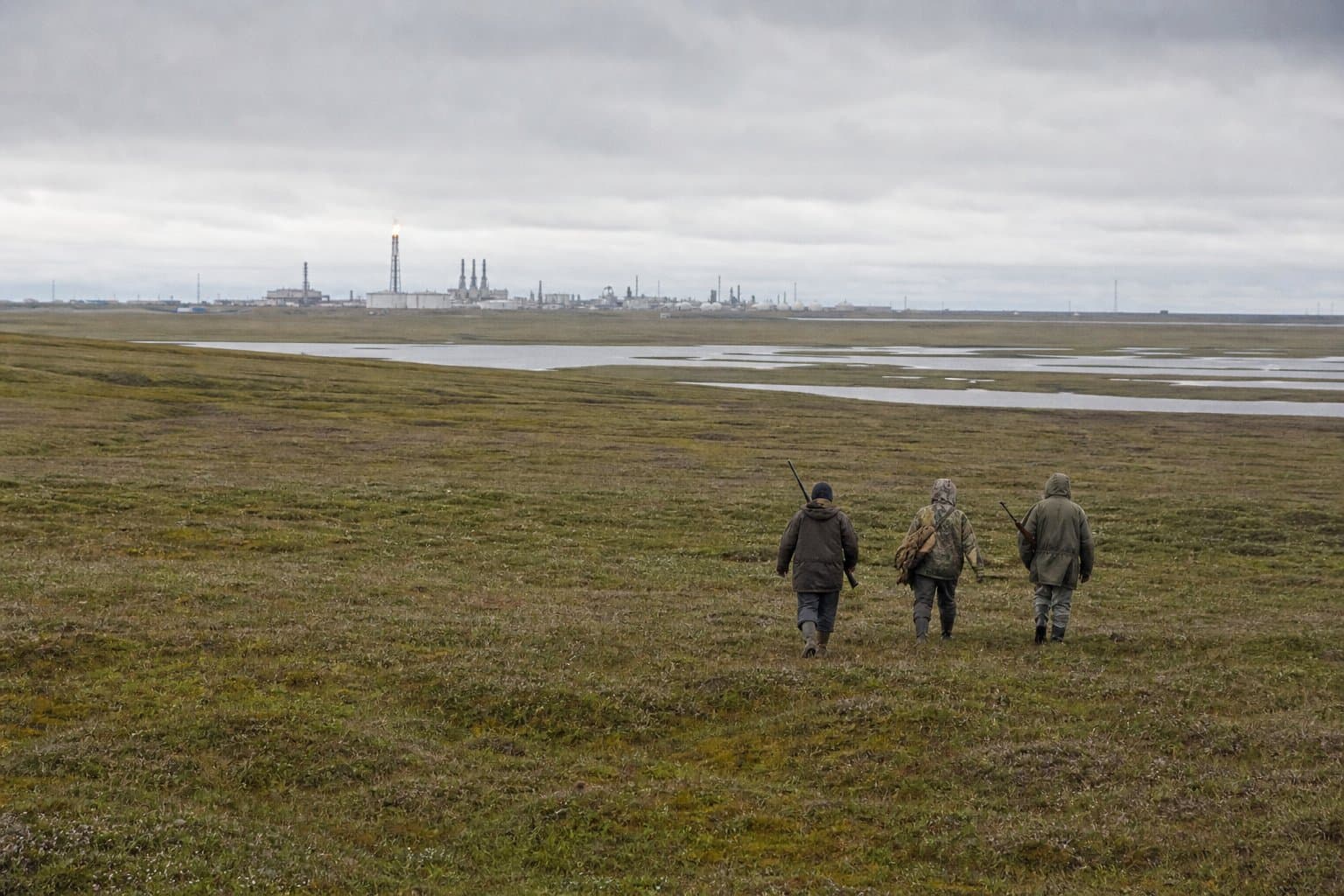
Because roughly 60 percent of Alaska is federal land, the changes carry weight here that they do not carry in most states. The emergency permitting procedures and expanded categorical exclusions apply broadly to DOI-managed lands, which include the National Petroleum Reserve-Alaska on the North Slope and areas near the proposed Ambler Mining District access road — though the administration has not specified which Alaska projects are currently subject to the emergency procedures.
Business groups have backed the reforms. The U.S. Chamber of Commerce has argued that lengthy NEPA reviews deter investment in energy infrastructure and critical minerals, and that more efficient permitting can maintain environmental protection while promoting economic growth.
Trustees for Alaska and the Native Village of Nuiqsut have argued in regulatory comments and public statements that reduced environmental review threatens subsistence resources and fails to account for cumulative impacts on Arctic communities, including effects on caribou migration, fish, and marine mammals central to subsistence hunting and fishing on the North Slope.
AI-assisted, reviewed by editors. Spot an error?
Comments
Sign in to leave a comment.
No comments yet. Be the first to share your thoughts.