AI image
The SAVE Act now rides on the defense bill Alaska wants
The voting bill Sen. Lisa Murkowski has pledged to oppose is now riding on the defense bill carrying Alaska's military construction money.
House Republicans attached the Safeguard American Voter Eligibility Act to the fiscal year 2027 National Defense Authorization Act, which passed the House 216-212 on Wednesday and moves to the Senate. The maneuver pairs a measure Murkowski has called too harsh for rural Alaska with legislation Sen. Dan Sullivan has described as the best defense bill the state has ever seen.
The SAVE Act would require anyone registering to vote in federal elections to present documentary proof of citizenship — a passport, birth certificate, naturalization papers, or REAL ID indicating citizenship — with their application. Supporters, including Rep. Nick Begich, who co-sponsored it, say the requirement is a straightforward guarantee that only citizens register, and polling has consistently shown broad public support for proof-of-citizenship rules. Sponsors note states retain latitude to set procedures for applicants who lack documents.
Murkowski, writing in a July 17 opinion piece, said she supports the goal but considers the bill "too draconian, especially for voters in remote parts of Alaska." She had already voted against advancing it in March.
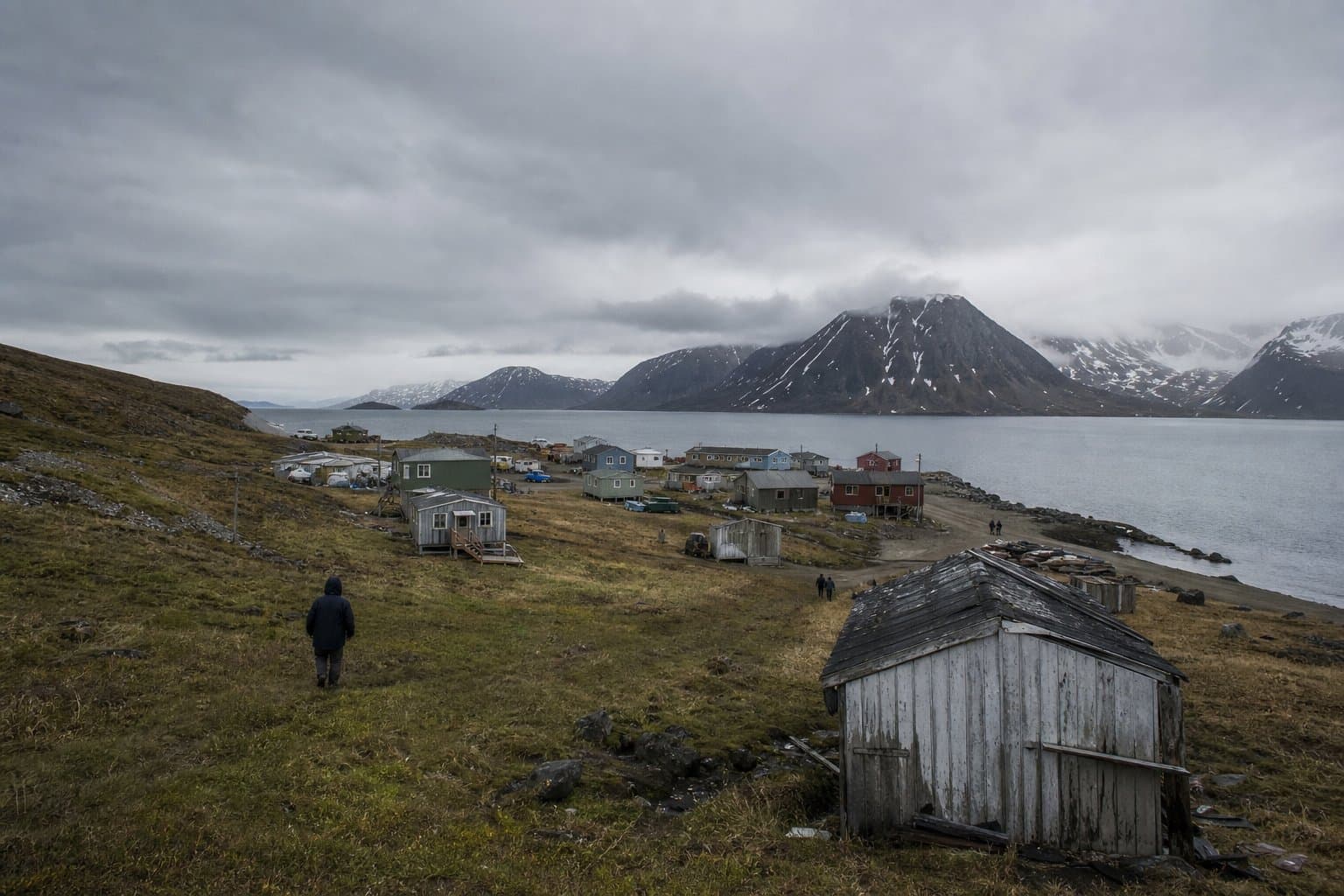
Her argument is geographic. Because proof would have to be presented in person, she wrote, online registration would effectively end in a state twice the size of Texas where roughly 80 percent of communities and a fifth of the population have no road connection. By her count, six offices statewide could clearly meet the requirement. An 18-year-old in Savoonga would face upward of $1,000 in airfare and lodging to reach Nome and register; an Unalaska fisherman would fly some 800 miles to Anchorage at roughly $1,500. An Alaska Native elder born at home before statehood might have no birth certificate to produce at all.
The evidence both sides cite is narrow. Utah reviewed more than two million registrations over a year and confirmed 27 noncitizens. Federal verification data flags a fraction of a percent of cases. Voting-rights groups estimate millions of Americans lack ready access to citizenship documents, while supporters counter that documented cases of noncitizen registration, however few, indicate a gap worth closing.
The requirement would land unusually hard on Alaska's registration system, which signs up most voters automatically through Permanent Fund dividend applications — a pathway that collects no citizenship documents.
Senate passage still requires 60 votes, a threshold the SAVE Act has not reached on its own.
Assembled from public records the newsroom collected.
Made by our human newsroom with AI. How humans and AI work here · Grow with our newsroom
Stay informed. Support what matters.
Free, permanent access to local news you can verify. Subscribe to support Alaska News and go ad-free.
Related Coverage
Savoonga's voting barriers surface in Senate election-integrity debate
Alaska News · 3mo ago
A Record Alaska Defense Bill Clears Its First Hurdle
Alaska News · 4mo ago
U.S. Senate stalls defense bill, freezing $2.6B for Alaska
Alaska News · 3mo ago
Murkowski votes no on reconciliation bill; Sullivan votes yes
Alaska News · 4mo ago
Senate passes immigration enforcement bill 52-47, splitting Alaska delegation
Alaska News · 4mo ago
Comments
Sign in to leave a comment.
No comments yet. Be the first to share your thoughts.