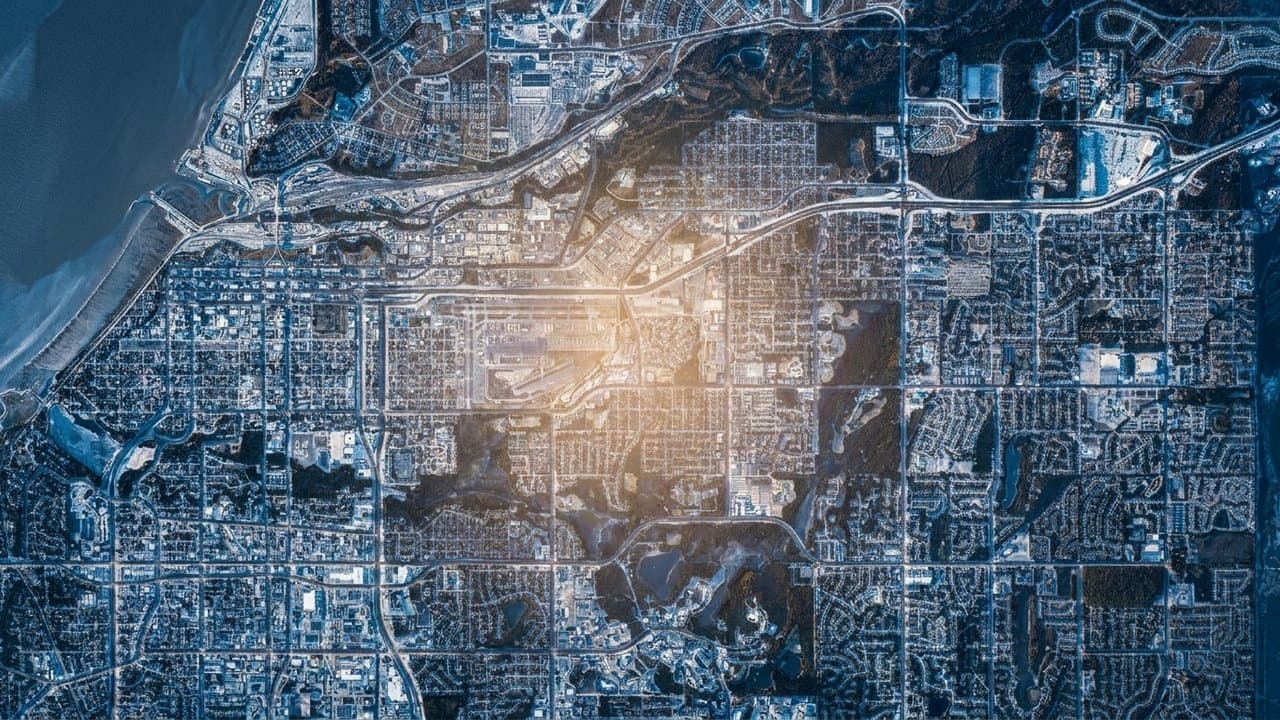
Editorial map (Gemini + Google Maps)
State asks Glenn Highway drivers to report wildlife close calls for collision study
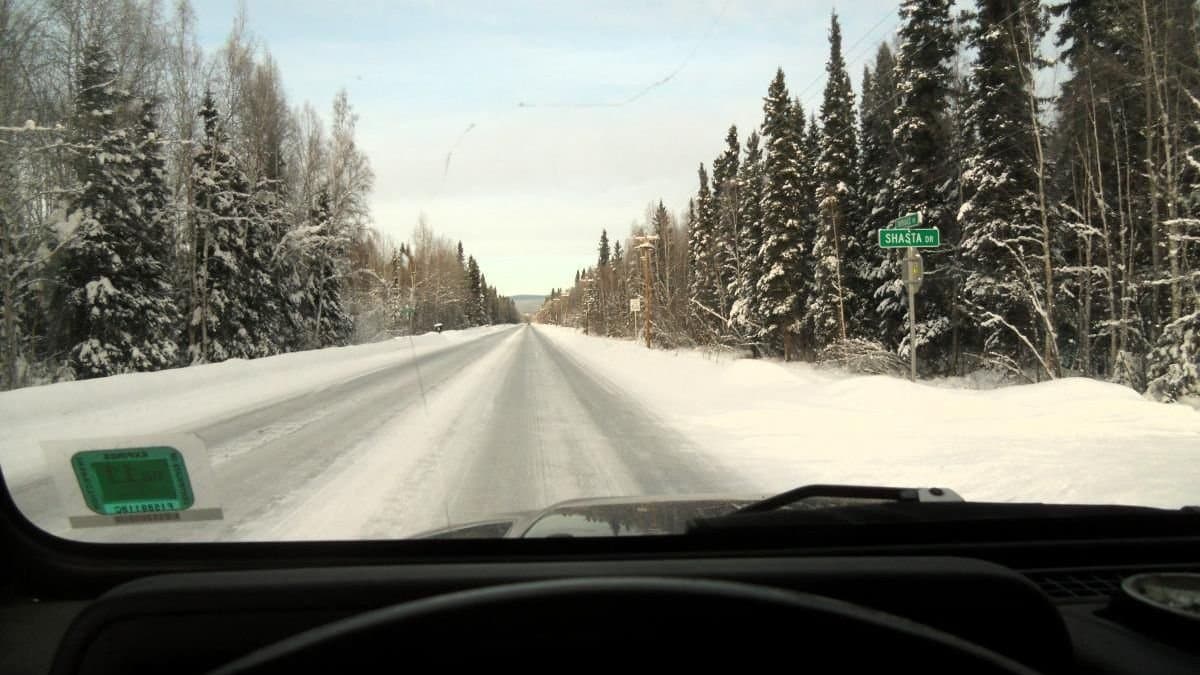
The Alaska Department of Transportation and Public Facilities opened its first public comment period Monday on a study of wildlife collisions along the Glenn Highway between Anchorage and the Mat-Su Valley. Through Jan. 12, it is asking drivers who have hit or nearly hit an animal there to mark where it happened.
The department says this stretch has more wildlife-vehicle collisions than any other highway corridor in Alaska. The study's website counts 274 crashes between 2013 and 2025 in the 35-mile study area, which runs from Airport Heights Drive in Anchorage to the Glenn-Parks interchange. The crashes involved 253 moose, 15 bears and two wolves, and killed one person and seriously injured six others.
Near misses often go unreported, the department says. Its online open house asks drivers to mark close calls on an interactive map. Comments go through the project website.
Earlier fixes have helped. The stretch from Muldoon Road to Hiland Road was once the worst in the state, with about 45 moose crashes a year. When it was widened in 1987, crews added moose fencing and continuous lighting. Crashes there fell more than 70% the next year, according to a DOT&PF report on moose-vehicle accidents on Alaska's rural highways.
Some of those protections have grown less effective over time, the open house says. Parts of the fencing have gaps, one-way moose gates no longer work as intended, and the Ship Creek wildlife underpass has had trouble with snow, ice and wildlife behavior.
Collisions have declined overall, from about 38 a year between 1988 and 2012 to about 21 a year between 2013 and 2025, according to the open house. The worst month has shifted too, from January in the earlier years to October, during the moose rut, since 2013.
The Alaska Moose Federation has long backed wildlife fencing and crossings in known collision corridors, including the Glenn Highway, according to its spring 2008 newsletter.
The study is in its first phase, gathering data. The team will begin identifying and evaluating possible fixes in 2027, which could include wildlife crossings, fencing and tracking programs, according to the Anchorage-area transportation improvement program, which lists the study's cost at $688,863, including a $626,659 grant.
A draft and final study, along with a second online open house, are planned for spring 2028, according to the project's fact sheet.
What did you make of this story? (no account needed)
Made by our human newsroom with AI. How humans and AI work here · Grow with our newsroom ·
Keep Alaska News free for everyone.
No paywall, ever. Members pay so everyone can read the meetings and records Alaska News covers.
Get Alaska News in your inbox
Create your free account and get the day’s top stories around 6 each morning, in a few minutes’ read.
Top stories, around 6 each morning.
Stories on what you follow, on Sundays.
Source: The Alaska Department of Transportation and Public Facilities (DOT&PF) is studyi.


Comments
Sign in to leave a comment.
No comments yet. Be the first to share your thoughts.