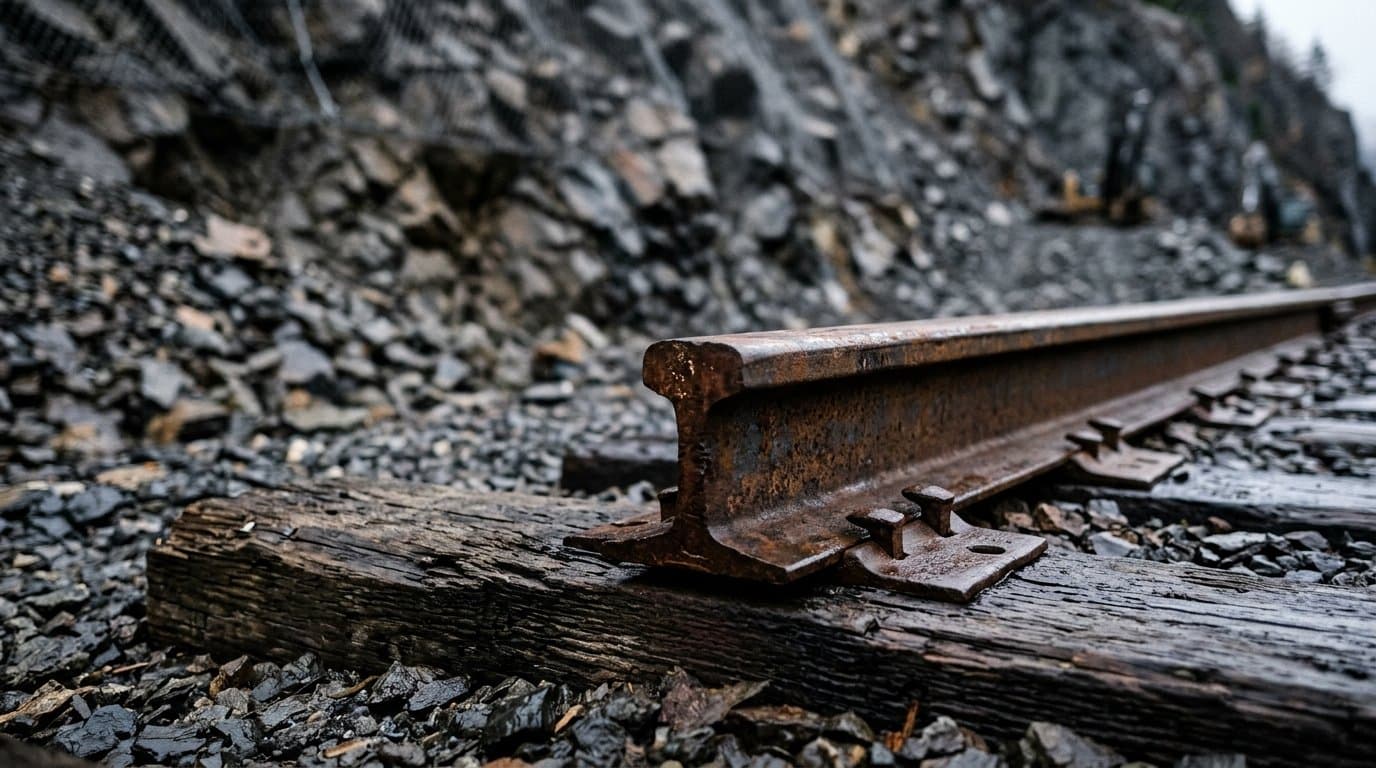
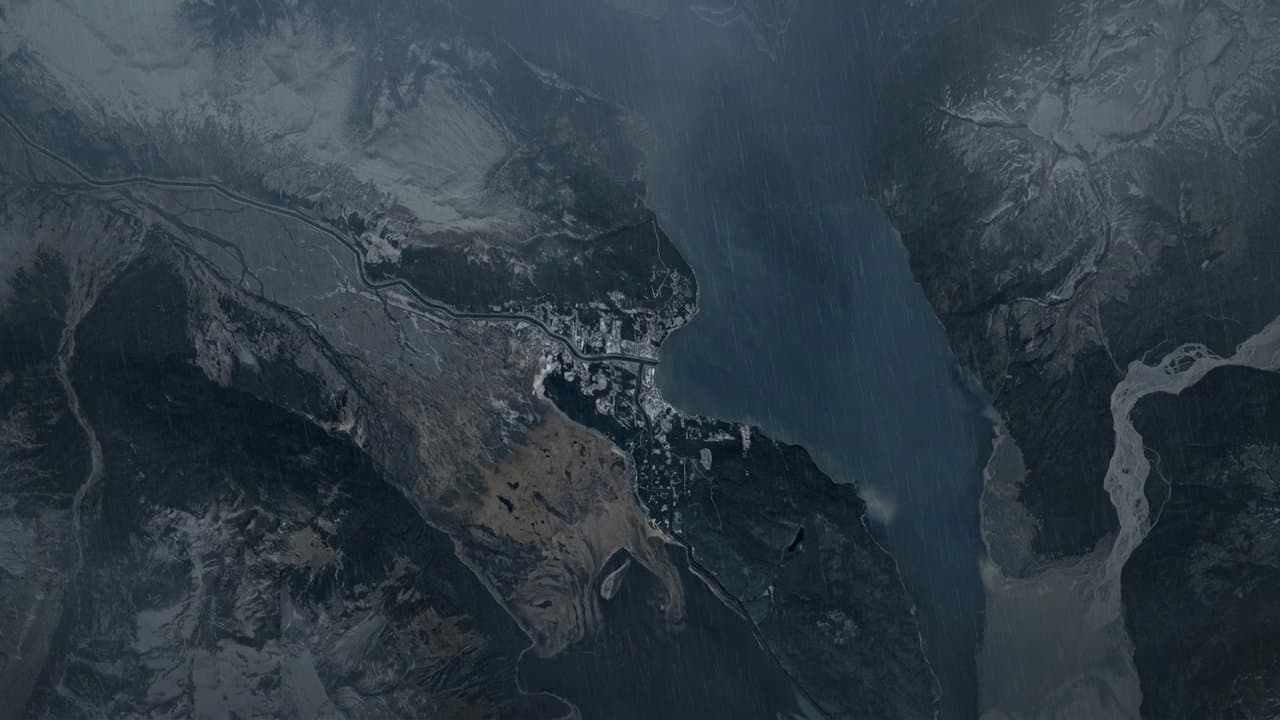
AI image
Rockslide work alone won't reopen Skagway's Railroad Dock to trains or pedestrians
The project to remove unstable rock above Skagway's Railroad Dock won't by itself bring back the trains or the foot traffic that once used the dock, the engineers designing it told the borough in a draft memo dated Nov. 4.
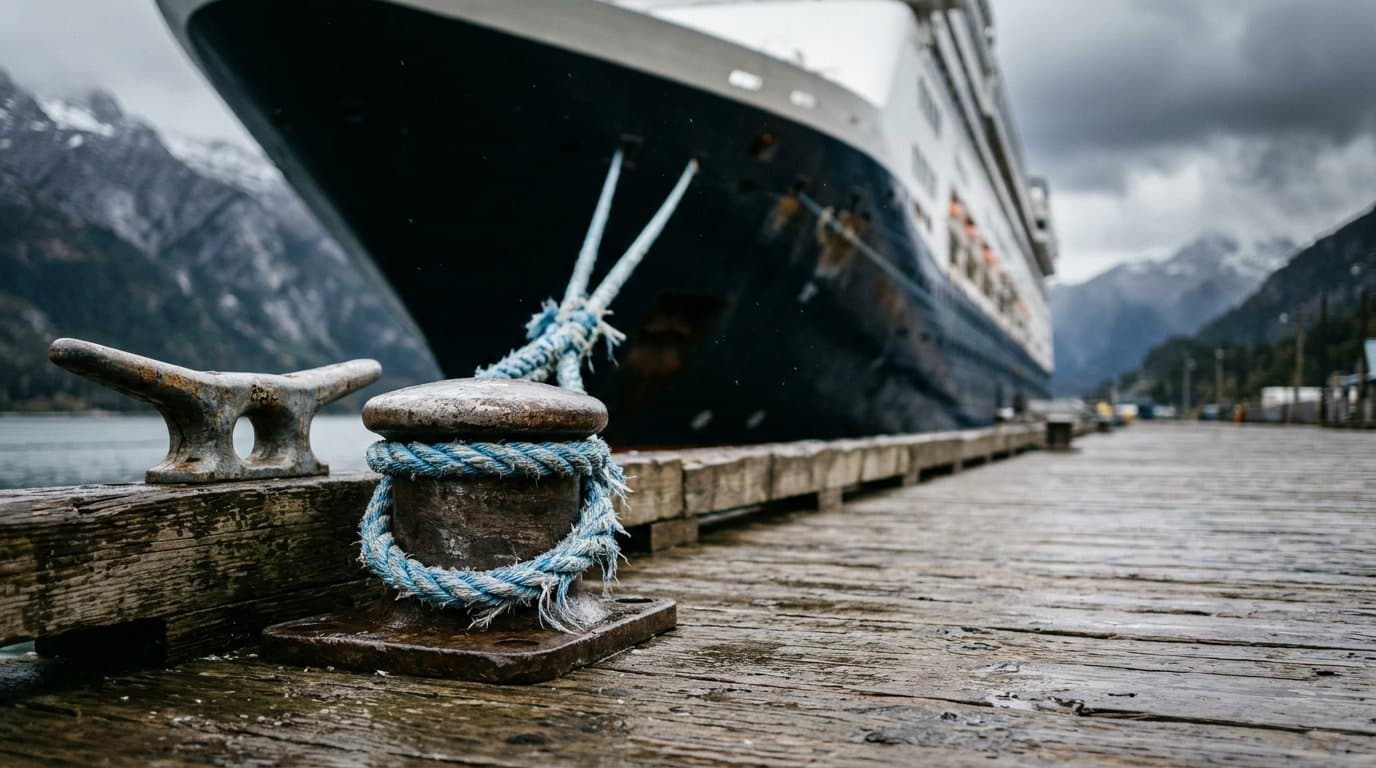
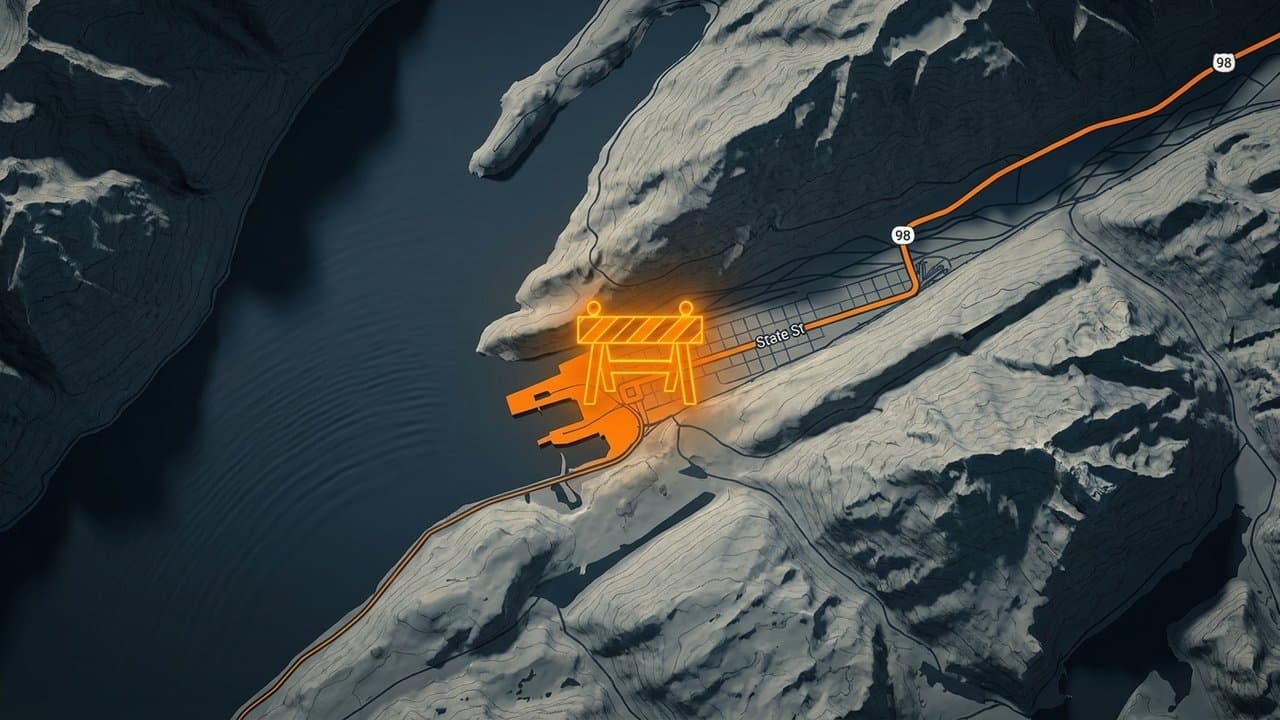
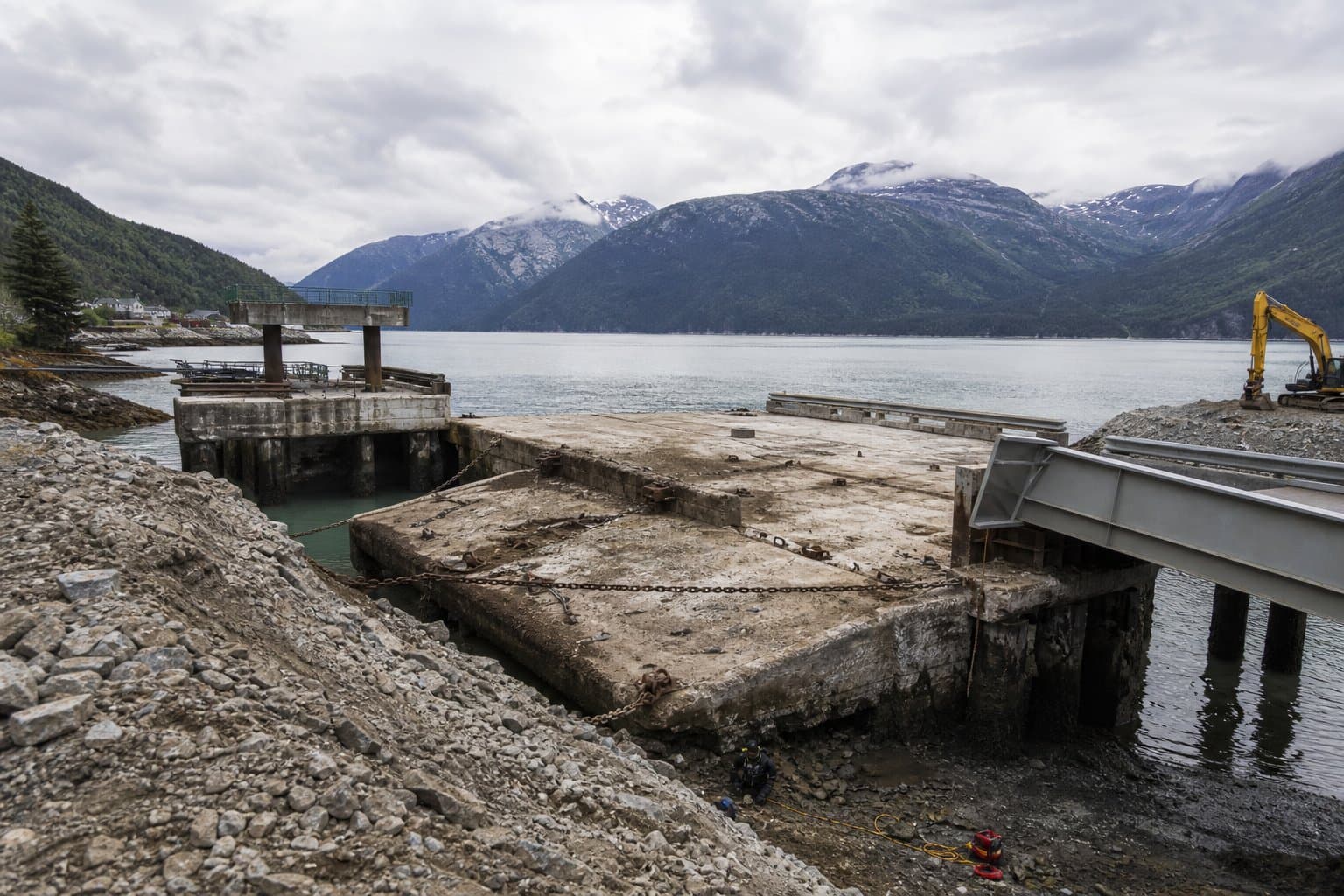
The privately owned dock holds two of Skagway's four cruise ship berths and typically serves about 535,000 passengers and 225,000 crew members a year, according to the borough. Several rockslides hit the slope above it in the fall of 2022, and state and local officials declared a disaster. Access to the pier is restricted, the borough says, and passengers from ships there come ashore by tender or are bused off.
The project would use machinery and blasting to remove most of a large block the engineers call Rock Block 3, along with the fractured rock stacked behind it, and send the debris down existing rockfall chutes. The borough says the work is meant to prevent a catastrophic failure and locally generated tsunamis at the port. Once the block is gone, cruise ships could pull farther forward and use the dock's full length, the memo says.
But the danger of falling rock from what's left of the slope and from an active rockfall chute will remain. That hazard "prevents the return of the Railroad Dock to its historic use, including train and pedestrian access," wrote Kyle Brennan, a vice president at Shannon & Wilson, which is helping design the work. Fixing it would take separate projects. Of its rendering of the dock after the work, the memo says "there is functionally no difference from what is currently there right now."
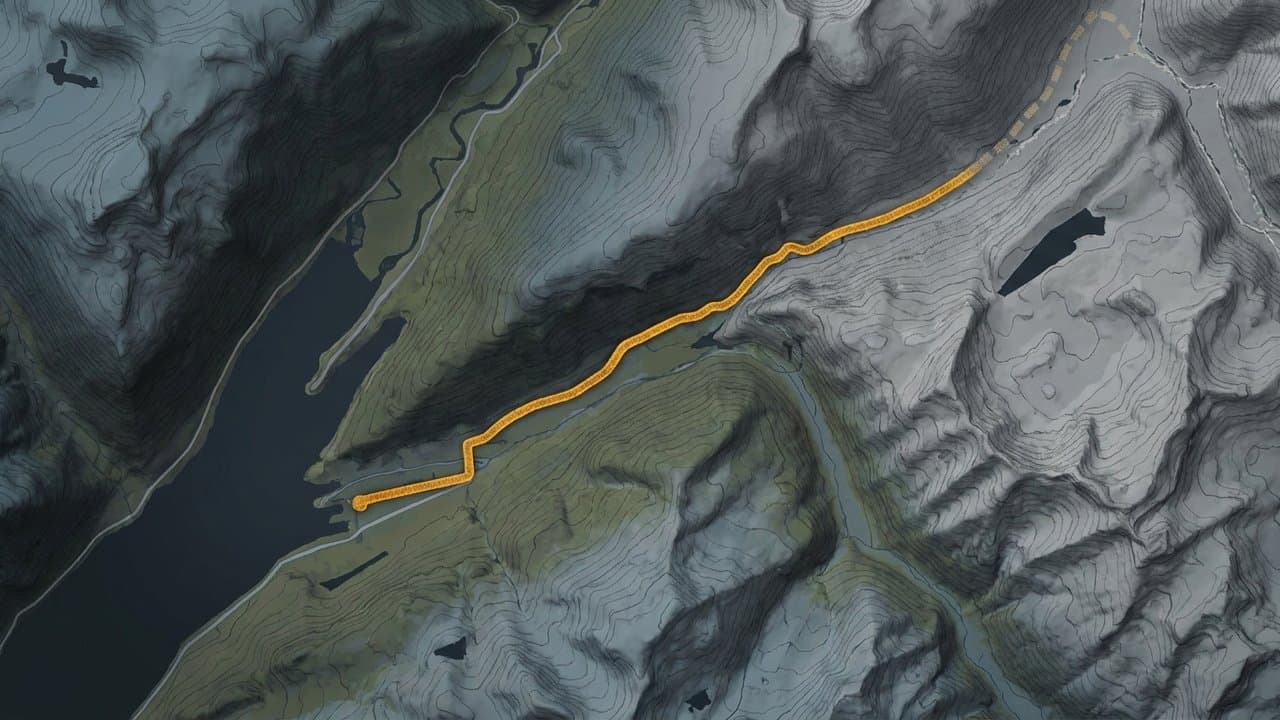
The other big question is how crews would get up the mountain. The access route "continues to be one of the primary community concerns," the memo says.
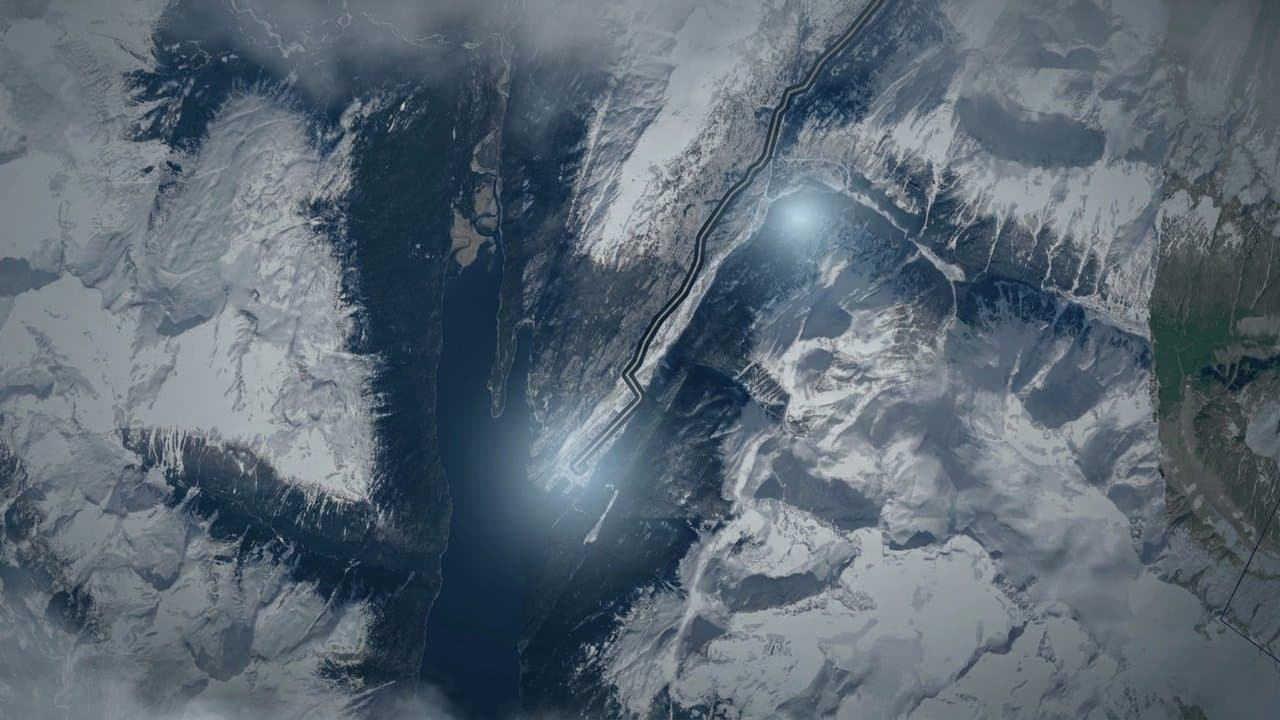
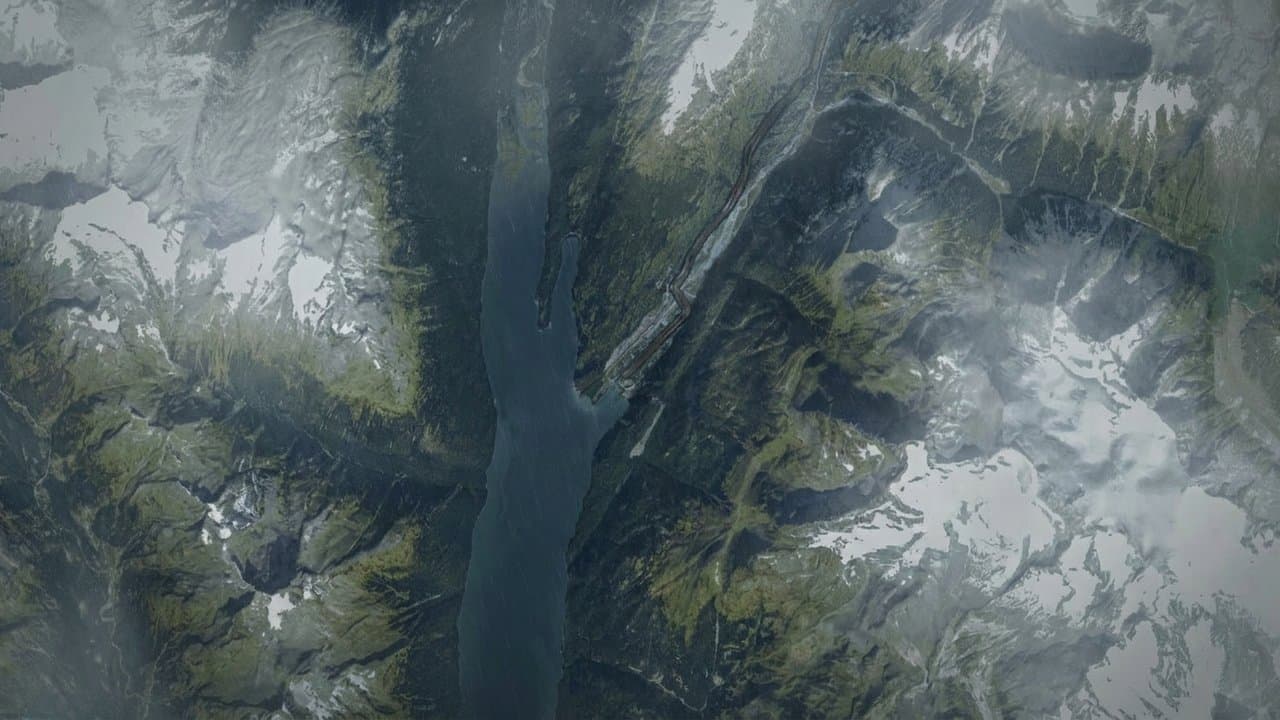
The Assembly chose an approach with a road 6-0 in June. Under the current design, crews would use an existing access road, then part of the Lower Dewey Lake Trail, where sections now 7 to 9 feet wide would be widened to 10 feet and stream crossings replaced. The last quarter of the route, along a ridge to an existing helicopter landing area, would be mostly new road. None of the road or trail work would be removed afterward, though some staging and disposal areas would be restored. The engineers say the route would also help with future slope work and emergency response.
In all, about 4.4 acres would be disturbed. The engineers expect ground cover and shrubs to return in two to five years and full tree canopy in 20 to 30 years.
Helicopters could do the job without a road, but at a much higher cost. Granite Construction, the project's contractor, estimates helicopter-only access at about $35 million to $40 million. The road is estimated at about $8 million to $11 million. Both figures cover only getting to the top, not the rock work itself. Helicopters would have to fly all equipment, fuel and workers up daily. Because most of the work is planned for winter, weather delays could stretch the job from two or three construction seasons to three or four or more, the memo says.
Construction costs have grown, too. A borough resolution this fall put construction at about $65.8 million. Federal and state grants and the borough's own match provide about $35.8 million, and the borough plans to cover the remaining $29.9 million from its port fund. The resolution commits up to about $6 million in port money as a match for a federal PROTECT grant, which would reduce that gap if the borough wins one.
At a June open house, a resident asked who would be financially responsible for repairs if the dock were damaged. The project team said there was no answer yet. The borough had built repair costs into its grant request and could pay for repairs, the team said, but "it's a discussion to have with the dock owner."
The design team presented the memo to the Assembly at a work session Monday night. The clerk's office combined residents' written questions into a list of 24. They included whether moving the dock out of the hazard area has been studied, what in borough code allows the route and whether the Assembly will consider a community vote on the road.
"Currently, constructing a road around Lower Lake is illegal," resident Andrew Cremata wrote to the Assembly on Nov. 7, citing a chapter of borough code. He also asked how the Assembly would keep the state from building other roads in the area later.
The 90% design is scheduled for spring 2027, and the memo says any change to the plan or the way crews reach the site would likely delay it. The design team has tentatively scheduled public hikes up the route from the Lower Lake trailhead, with the last two set for 10 am and 2 pm Wednesday.
What did you make of this story? (no account needed)
Made by our human newsroom with AI. Reviewed by Cale Green. How humans and AI work here · Grow with our newsroom ·
Get Alaska News in your inbox
Create your free account and get the day’s top stories around 6 each morning, in a few minutes’ read.
Top stories, around 6 each morning.
Stories on what you follow, on Sundays.
Source: Municipality of Skagway, Skagway's rockslide engineers say the Railroad Dock will not reopen to trains or pedestrians, and helicopters would cost $35 million to $40 million more.






Comments
Sign in to leave a comment.
No comments yet. Be the first to share your thoughts.